Best Lawn Sprinklers for Efficient Watering Solutions?
When it comes to maintaining a healthy, vibrant lawn, efficient watering is crucial. The right Lawn Sprinklers can significantly impact your garden's health and your water bill. According to the Irrigation Association, over 50% of residential water use goes to outdoor irrigation. This statistic highlights the importance of choosing the most efficient sprinkling solutions.
Lawn Sprinklers are designed to distribute water evenly, ensuring that every patch of grass receives adequate moisture. However, not all sprinklers are created equal. For instance, the U.S. Geological Survey indicates that up to 70% of water used for irrigation can be lost due to evaporation and runoff. This loss can be minimized by selecting the appropriate sprinkler systems that suit your lawn's specific needs.
Moreover, advancements in technology have introduced smart irrigation systems that optimize water use. These systems monitor soil moisture levels and adjust watering schedules accordingly. Despite these innovations, many homeowners still rely on outdated methods that are less efficient. It is essential to re-evaluate your watering strategy to ensure you are maximizing efficiency while minimizing waste.
Types of Lawn Sprinklers for Various Watering Needs
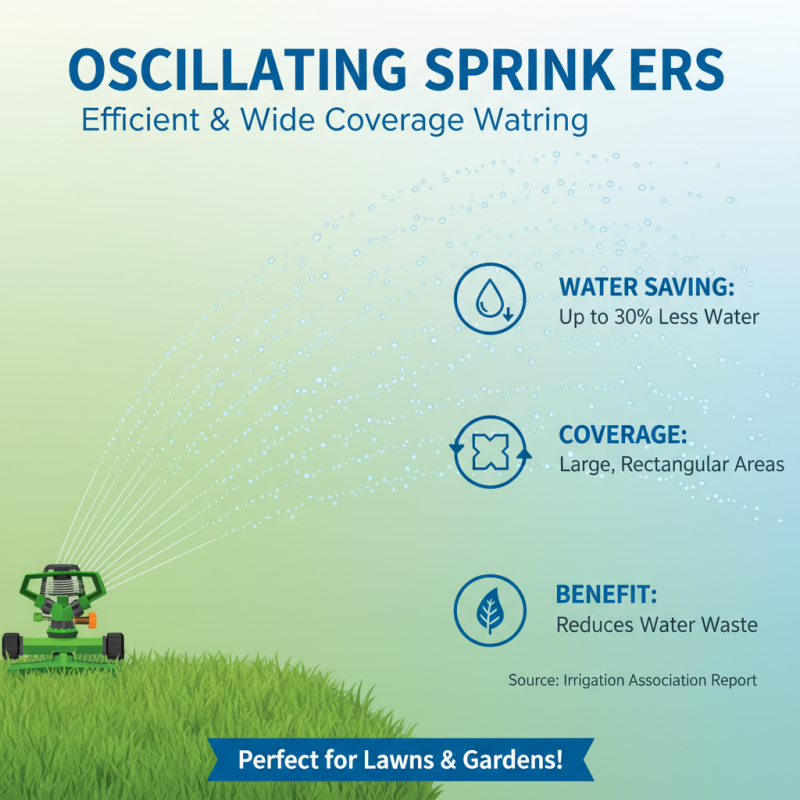
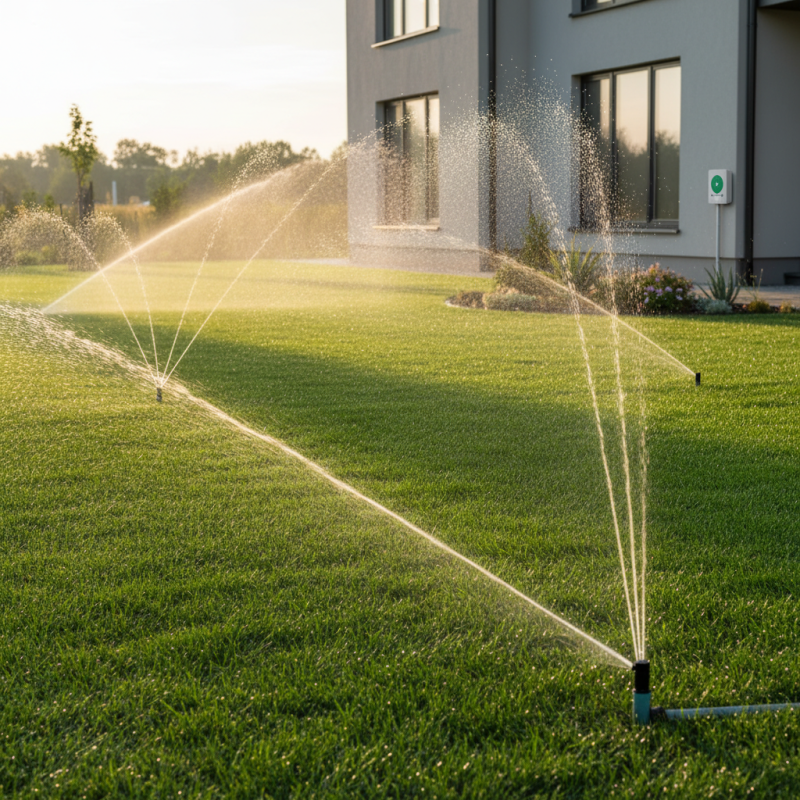
When considering your lawn watering needs, various types of sprinklers can make a significant impact. For instance, oscillating sprinklers are favored for their coverage and efficiency. They deliver a fan-shaped spray that can cover wide areas with minimal water waste. According to a report by the Irrigation Association, using oscillating sprinklers can reduce water consumption by up to 30% compared to traditional methods.
Drip irrigation systems are another efficient option. They deliver water directly to the plant roots, minimizing evaporation loss. This method can be particularly beneficial for gardens or flower beds where precise watering is crucial. Research from the USDA suggests that implementing drip systems can save approximately 50% of water compared to conventional sprinklers.
Rotary sprinklers provide versatility and are suitable for various lawn sizes. They work effectively for large areas, utilizing adjustable spray patterns. However, they can sometimes lead to uneven watering. It's essential to monitor wet and dry spots regularly to ensure optimal performance. Identifying the right balance for your lawn can require experimentation and careful observation.
Key Features to Consider When Choosing Lawn Sprinklers
When selecting a lawn sprinkler, several key features should guide your choice. Consider the area size. For small lawns, oscillating or stationary types work well. Large areas may benefit from rotating or traveling sprinklers, which cover more ground efficiently. Water pressure is another crucial factor. Make sure your sprinkler matches your home’s water pressure for optimal performance.
Tips: Check local weather patterns. Timing your watering can save water. Early morning is often best for lawn health.
Adjustability is also important. A good sprinkler allows you to customize your coverage. This can prevent water waste and ensure all sections of your lawn get the right amount. Look for models with easy-to-use settings. Don’t overlook the materials used. Durable materials can withstand harsh weather and last longer.
Tips: Regularly inspect your sprinkler for leaks. Small issues can lead to larger problems and wasted water. Adjust your strategy during dry spells too.
How to Optimize Water Efficiency with Lawn Sprinklers
When it comes to watering your lawn efficiently, choosing the right sprinkler is crucial. Different types of lawn sprinklers have unique features that impact water usage. For instance, stationary sprinklers work well for small areas, while oscillating models cover broader spaces. It’s essential to assess your lawn’s size and shape before making a choice. Observing your lawn’s wet spots and dry areas helps in selecting the most effective system.
Monitoring the weather can also optimize water efficiency. Adjusting your sprinkler schedule based on rainfall saves resources. Many homeowners overlook this simple step. Additionally, using timers can prevent overwatering. Setting them to run during cooler parts of the day, such as early morning or late afternoon, reduces evaporation losses. Implementing mulch around plants can further retain moisture and support healthy growth.
Adjust sprinkler heads to minimize water waste. Sometimes, they may spray sidewalks or driveways. Regular maintenance keeps them functioning at their best. Small leaks can lead to significant water loss over time. Understanding how much water your lawn actually needs is crucial for long-term conservation efforts. Learning from past watering practices can pave the way for more efficient solutions.
Installation Tips for Effective Lawn Sprinkler Systems
When setting up a lawn sprinkler system, the installation process can greatly influence its effectiveness. Start by assessing your lawn's size and layout. Identify the areas that need the most water and any obstacles that may block coverage. It’s crucial to measure distances accurately. An insufficient spread can lead to dry patches. Ensure the sprinkler heads are spaced evenly.
Consider water pressure as well. Install a pressure gauge to check if your system needs adjustment. This can prevent overwatering or under-watering your lawn. Manipulating the sprinkler head settings can lead to better water distribution. Regularly checking for leaks is also essential for maintaining efficiency.
Think about the terrain of your lawn too. Sloped areas may need different adjustments compared to flat sections. Some users find that they need to fine-tune their system after a few weeks. Reflections on past mistakes can be beneficial. Many underestimate the impact of local weather patterns. Adapting the system based on those can yield better results.
Water Usage of Different Lawn Sprinkler Types
This chart illustrates the water usage of various lawn sprinkler types. Fixed spray sprinklers use the most water, while drip irrigation is the most efficient option, using the least amount of water for effective watering solutions.
Maintenance Practices for Long-lasting Lawn Sprinkler Performance
Maintaining lawn sprinklers is essential for ensuring efficient watering.
Regular upkeep can prevent issues like uneven watering or malfunctions. According to a study from the
Irrigation Association, about 30% of water used in residential landscapes is wasted.
Proper maintenance can significantly minimize this waste.
One effective practice is to inspect sprinkler heads regularly. Blockages can occur due to dirt or debris,
affecting water distribution. Inadequate water pressure may also be a consequence of unnoticed leaks.
Furthermore, adjusting the timing on your sprinkler system is crucial. Research shows that watering during
early morning or late evening reduces evaporation losses by
up to 50%.
Cleaning filters and checking hoses contribute to consistent performance. Over time, hoses may fray or lose flexibility,
leading to leaks. A preventive approach can save homeowners both water and money. Additionally,
calibrating the system once a season allows for more precise watering.
This means every part of the lawn receives the right amount of water, enhancing overall health and appearance.
Regular assessments and timely repairs are keys to maximizing longevity and effectiveness.