China Best Abs Sprinkler Solutions for Efficient Watering Systems?
In recent years, the demand for efficient watering systems has surged in China. The "Abs Sprinkler" industry plays a crucial role in addressing this need. Experts like Dr. Li Wei, a leading figure in agricultural technology, emphasize the importance of innovation in this field. He once said, "Effective irrigation systems are essential for sustainable farming."
The Abs Sprinkler technology is designed to optimize water usage and enhance crop yields. By minimizing waste, it addresses both environmental concerns and the economic challenges farmers face. However, the implementation of such systems is not without issues. For instance, the initial investment can be significant, and not all regions have access to advanced technology.
Farmers often report mixed results with Abs Sprinkler systems. While some experience improved efficiency, others encounter operational difficulties. It is essential to carefully evaluate local conditions before adopting this technology. The path to efficient watering systems is complex, but the potential rewards can be substantial.
Overview of Sprinkler Systems in China
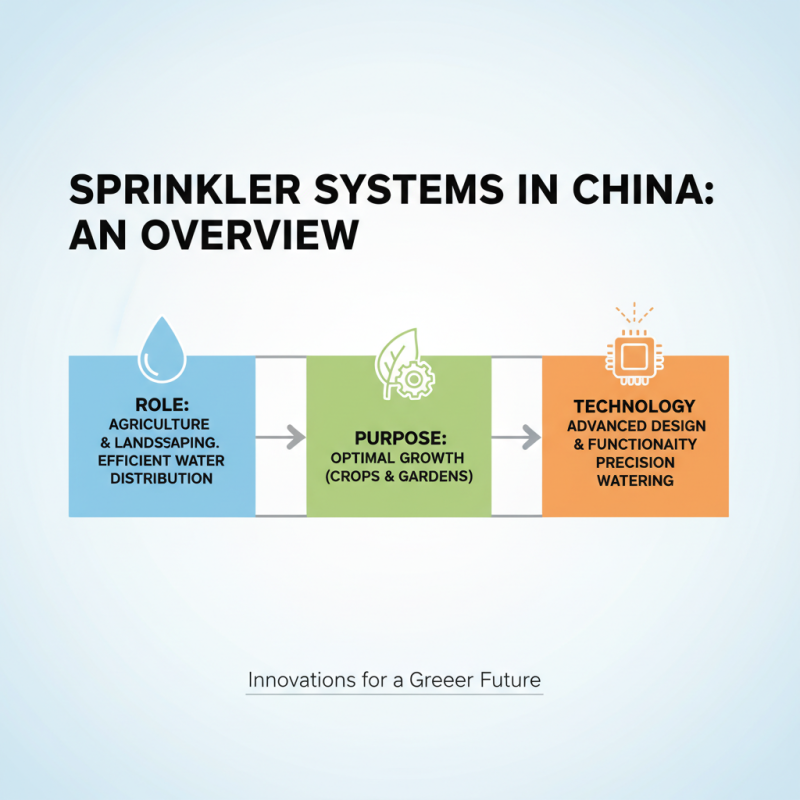
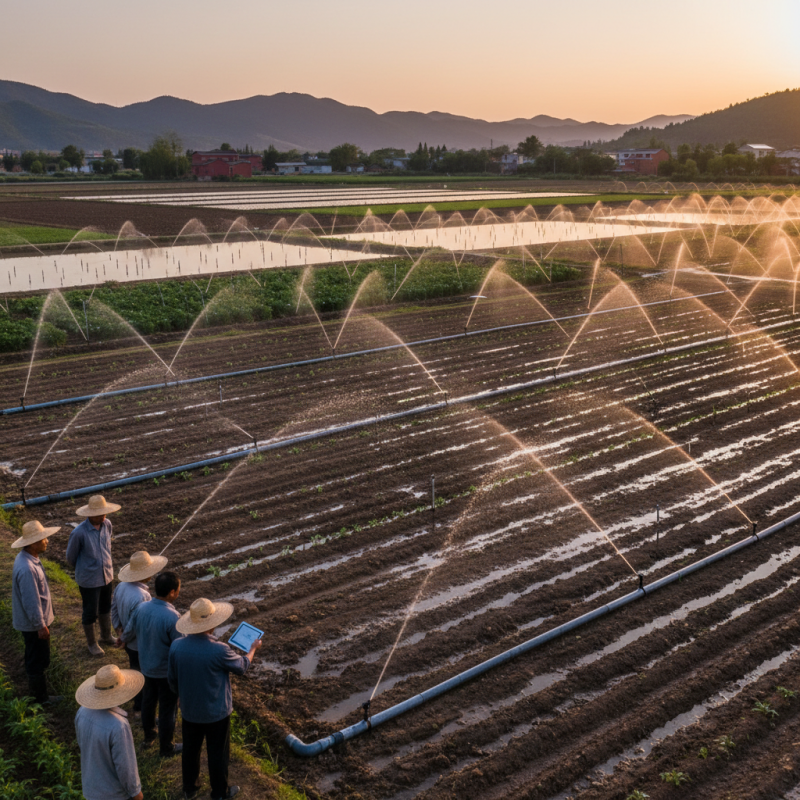
Sprinkler systems in China play a vital role in agriculture and landscaping. They help manage water distribution efficiently. These systems aim to ensure optimal growth for crops and gardens. Technological advancements have enhanced their design and functionality. Precision is crucial for effective watering.
China's diverse climate poses challenges. Regions vary from arid to humid. Therefore, customized sprinkler solutions are necessary. Some areas might require timers and sensors to adjust watering schedules based on weather conditions. Others might depend on simpler systems. Understanding local needs is essential for success.
While many systems exist, there are rooms for improvements. Some farmers face issues like uneven water distribution. Others struggle with maintenance challenges. Assessing the current technology and gathering user feedback can lead to better solutions. Continuous learning and adaptation are key to enhancing sprinkler efficiency.
Key Features of Efficient Abs Sprinkler Solutions
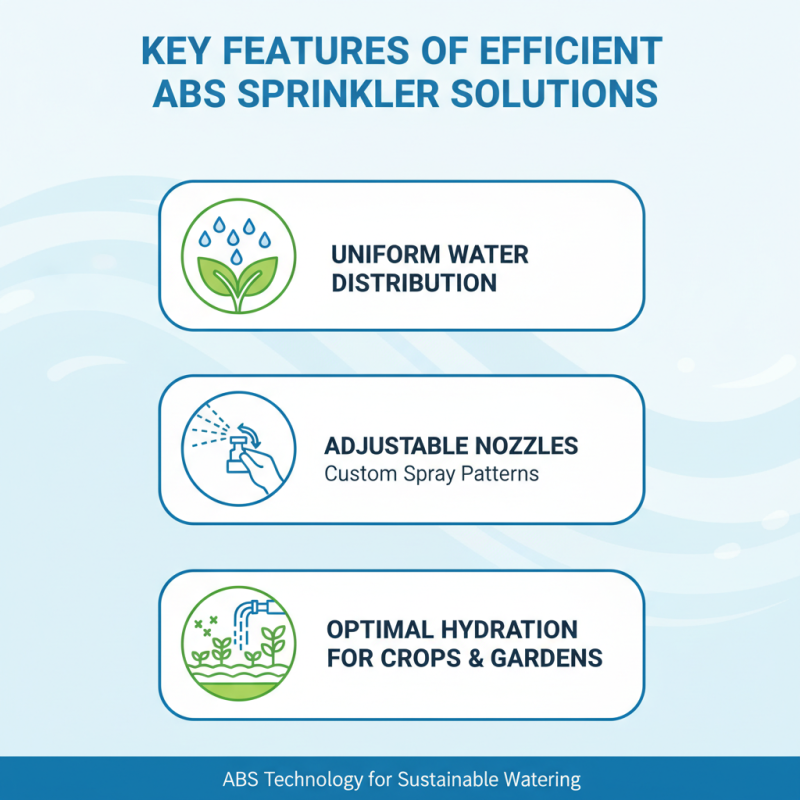
Efficient ABS sprinkler solutions are crucial for effective watering systems. They provide uniform water distribution, ensuring crops and gardens receive the hydration they need. The design typically includes adjustable nozzles, which allow users to customize the spray pattern and range. This adaptability is essential for varying plant types and soil conditions.
Consider water conservation. Efficient sprinklers deliver targeted watering, reducing waste. They require precise installation for optimal performance. Ensure that spacing between sprinklers is consistent. This helps maximize coverage and prevents dry spots in your garden.
Here are a few tips: Monitor your system regularly. Look for clogs or leaks that can diminish efficiency. Test the water pressure to prevent damage to your sprinklers. Understanding the soil type in your area is also helpful. Different soils retain moisture differently, which affects watering needs. With attention to these details, you can achieve a lush, thriving landscape.
Comparative Analysis of Watering Techniques
Watering techniques play a crucial role in agriculture and landscaping. In China, several methods stand out for their efficiency. Sprinkler systems, for instance, distribute water evenly across large areas. They can be tailored for both large farms and small gardens. Many users appreciate their convenience and simplicity. However, improper installation can lead to water waste. This can frustrate farmers who strive for sustainability.
Drip irrigation is another effective technique. It delivers water directly to the soil near the plant roots. This method minimizes evaporation and runoff. Farmers often report increased yields due to better moisture control. Yet, maintaining these systems can be challenging. Clogging and leaks pose significant issues. Regular monitoring is essential.
Rainwater harvesting is gaining traction as well. It captures water from roofs and other surfaces. This technique empowers users to rely less on traditional water sources. However, the initial setup can be costly. Some rural areas may lack the technology for efficient collection. Mismanagement of collected water can also lead to concerns about quality. Each watering technique has its advantages and drawbacks, making careful consideration necessary.
Case Studies of Successful Implementations
Efficient watering systems are crucial for agriculture. Many farms in China have adopted advanced sprinkler solutions to improve water distribution. Case studies illustrate how these systems have revolutionized irrigation practices.
In one notable case, a farm used a drip irrigation system that minimized water waste. The results were impressive. Water use decreased by 30%. Crop yields increased significantly. Farmers reported better quality produce, driven by more consistent moisture levels. These changes demonstrated the potential of modern sprinkler technology.
However, challenges remain. Some farmers faced difficulties in system installation. Others struggled with maintenance and repairs. These obstacles can hinder overall effectiveness. Addressing these issues is essential for broader adoption. Sharing best practices and learning from each other can enhance future implementations.
Future Trends in Sprinkler Technology and Water Conservation
As water scarcity grows, innovative sprinkler technology becomes essential for efficient watering systems. Recent advancements focus on precise water delivery. Smart irrigation systems use sensors to monitor soil moisture. This ensures that water is only applied where needed. Emerging technologies include automated adjustments based on weather patterns.
However, even with the best technology, challenges remain. Not all regions have easy access to these systems. Additionally, users may struggle to adapt to new technologies. Education on proper usage is crucial. A system that goes unused offers little benefit.
Water conservation efforts hinge not only on technology but also on behavior. Traditional thinking must evolve. Individuals need to be equipped with knowledge about their local environment. Each choice, big or small, impacts water conservation efforts. Striking a balance between technology and traditional practices is key to creating a sustainable future.
China Best Abs Sprinkler Solutions for Efficient Watering Systems
| Sprinkler Type |
Water Flow Rate (L/h) |
Coverage Area (m²) |
Adjustable Spray Radius (m) |
Material |
Water Conservation Feature |
| Rotary Sprinkler |
1200 |
500 |
5 - 9 |
ABS Plastic |
Yes |
| Drip Irrigation |
500 |
300 |
N/A |
PE Plastic |
Yes |
| Spray Nozzle |
800 |
250 |
3 - 7 |
ABS Plastic |
Yes |
| Mini Sprinkler |
600 |
150 |
2 - 5 |
PVC |
Yes |