2026 Top Lawn Irrigation Equipment Trends and Innovations?
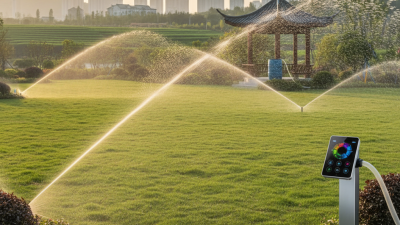
As we look ahead to 2026, the landscape of Lawn Irrigation Equipment is evolving rapidly. Innovations are reshaping how we approach water management for lawns. Expert Eric Johnson, a well-regarded figure in the lawn care industry, highlighted this transformation by stating, "The future of lawn irrigation is all about efficiency and sustainability." His insights reflect a growing trend towards eco-friendly solutions.
Lawn Irrigation Equipment is becoming smarter and more efficient. The rise of smart technology allows homeowners to monitor and control their irrigation systems remotely. With weather-based scheduling and soil moisture sensors, water waste is reduced significantly. Yet, despite these advancements, some consumers still struggle to adapt to new technologies. There remains a need for education in the industry.
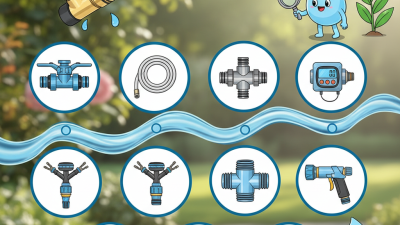
Innovations in Lawn Irrigation Equipment also focus on resource management. Drip irrigation systems are gaining traction due to their water-saving capabilities. However, installation can be complex and may deter some customers. The challenge is to balance cutting-edge technology with user-friendly designs. As we move towards 2026, the need for reliable, innovative solutions will continue.
Emerging Technologies in Lawn Irrigation Systems for 2026
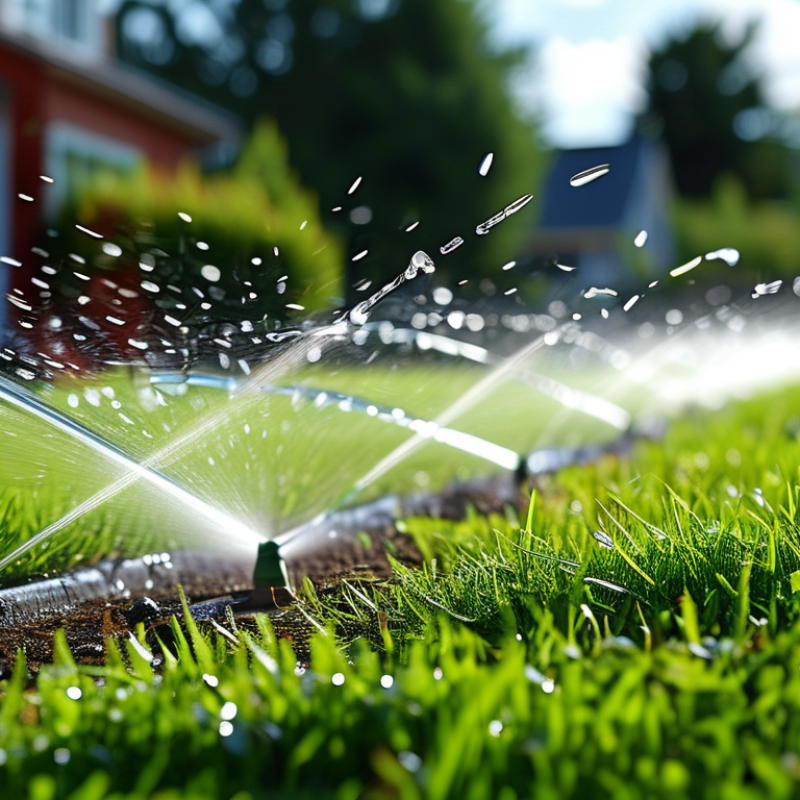
Emerging technologies in lawn irrigation systems are set to transform how we care for green spaces in 2026. Smart sensors are leading the charge, enabling real-time monitoring of soil moisture levels. These sensors can automatically adjust watering schedules based on the weather, ensuring optimal hydration. This technology reduces water waste and promotes healthier lawns.
One interesting trend is the integration of AI into irrigation systems. Artificial intelligence can analyze data from various sources, predicting water needs more accurately than ever. This innovation allows for precision watering, tailoring the amount of water supplied to specific areas of the lawn. Gardeners can achieve lush growth without overwatering.
**Tip:** Regularly check the placement of your sensors. If they are not positioned correctly, your system may not function efficiently.
Embracing these innovations can also lead to energy savings. By using advanced scheduling features, homeowners can water during off-peak hours. This not only reduces costs but also supports local water conservation efforts. Staying informed about these developments is crucial for anyone looking to elevate their lawn care practices.
**Tip:** Monitor weather patterns to adjust your irrigation schedules. An unexpected rainstorm can render your system unnecessary for a day or two.
2026 Top Lawn Irrigation Equipment Trends and Innovations
| Trend/Innovation |
Description |
Expected Impact |
Adoption Rate (%) |
| Smart Controllers |
Integration of IoT technology for weather-based adjustments. |
Improved water efficiency and reduced costs. |
45% |
| Drip Irrigation Enhancements |
Innovations in drip technology for more precise water delivery. |
Significant reduction in water waste. |
60% |
| Solar-Powered Systems |
Use of solar energy to power irrigation systems. |
Reduction in electricity costs and environmental impact. |
30% |
| Automated Soil Sensors |
Sensors that measure soil moisture for optimal watering. |
Enhanced plant health via precise watering. |
50% |
| Rainwater Harvesting Systems |
Collection and use of rainwater for irrigation. |
Sustainable water use and cost savings. |
40% |
Smart Irrigation Controllers: Revolutionizing Water Management
Smart irrigation controllers are changing the way we manage water. These devices use weather data and soil moisture levels to optimize watering schedules. By responding to real-time conditions, they help maintain healthy lawns while conserving water. Homeowners can set specific zones to receive tailored irrigation, ensuring every plant gets what it needs.
Tips for using smart irrigation controllers: regularly check the settings. Adjust them based on seasonal changes and plant needs. Monitoring these adjustments can prevent overwatering or underwatering.
Even with technology, some challenges arise. Users may face connectivity issues or difficulties with setup. It’s crucial to read the instructions carefully and seek help if needed. Learning to use these tools effectively can greatly enhance your lawn’s health. Ultimately, smart irrigation requires both commitment and adaptability.
Sustainable Practices in Irrigation Equipment Design and Usage
Sustainable practices in irrigation equipment design and usage are reshaping the landscape of lawn care. Innovations focus on minimizing water waste while maximizing efficiency. Advanced sensors now detect soil moisture levels. This enables precise watering schedules tailored to plant needs. As a result, lawns receive only the water they truly require, which promotes healthier growth.
Moreover, many new irrigation systems are designed with renewable materials. They reduce environmental impact and longevity is a core consideration in development. This shift encourages more durable products that withstand the elements, lessening the need for frequent replacements. However, not all existing systems adapt well to these changes. Retrofitting can sometimes be costly and impractical for some homeowners.
Despite these advancements, challenges remain. Many users struggle with the learning curves of modern technology. They may find it difficult to integrate smart systems into their outdoor spaces. Additionally, understanding sustainable practices often requires education. Many people are unaware of the importance of these innovations in conserving water. As the industry grows, addressing these knowledge gaps will be crucial for widespread adoption.
Trends in Water-Saving Technologies and Their Impact on Irrigation
Water-saving technologies are evolving rapidly, offering new solutions for efficient lawn irrigation. Drip irrigation systems have gained popularity. They deliver water directly to plant roots. This minimizes waste and encourages healthier growth. Many homeowners now prioritize these systems for sustainable gardening.
Rain sensors represent another innovation worth considering. They adjust irrigation schedules based on weather conditions. This smart technology helps to prevent overwatering, conserving valuable resources. However, not all systems are created equal. Some sensors may lack accuracy under certain conditions. Regular maintenance is essential to ensure optimal performance.
Drought-resistant landscaping is a growing trend as well. Homeowners are replacing traditional lawns with native plants. These require less water and lower maintenance. While this approach may seem appealing, it requires careful planning. It's crucial to select the right plants for each climate. Researching local ecosystems can guide this process effectively.
Integration of IoT and AI in Lawn Irrigation for Enhanced Efficiency
The integration of IoT and AI in lawn irrigation marks a significant shift in how we care for our green spaces. Smart sensors can monitor soil moisture levels in real time. This data allows for precise irrigation. Overwatering becomes a thing of the past. Automated systems can adjust water usage based on current weather conditions. They optimize resource use while keeping lawns healthy.
However, the technology comes with challenges. Not all homeowners have access to stable internet connections. In some areas, installation costs can be high. Users may not fully understand how to operate these systems. Training is often needed to make the most of these tools. Despite these hurdles, many see the potential for water conservation and sustainability.
AI algorithms can analyze vast amounts of data to determine optimal irrigation schedules. These systems learn and adapt over time. Users gain insights into their lawn's specific needs. This personalized approach can lead to healthier lawns with less effort. As we explore these innovations, it is crucial to address barriers. Fostering education on these systems ensures everyone benefits from this technology.