Top 10 Benefits of Using Rotating Sprinkler Systems?
When it comes to efficient watering solutions, rotating sprinklers stand out. These devices are designed to provide comprehensive coverage to various landscapes. By utilizing a rotating sprinkler system, homeowners can enhance their irrigation approach significantly.
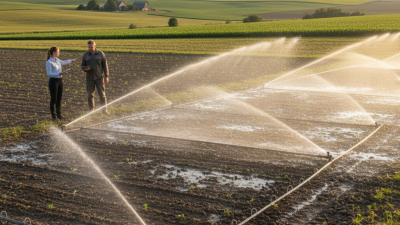
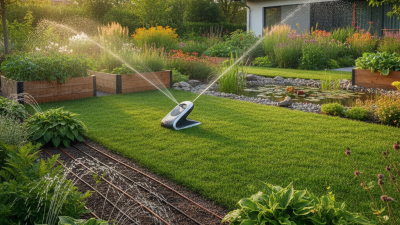
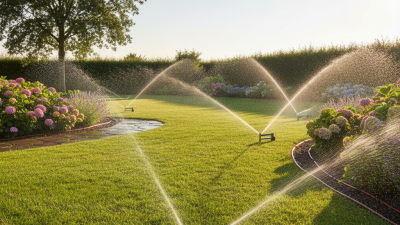
Rotating sprinklers distribute water evenly, reducing waste. This ensures that every part of your garden or lawn receives adequate moisture. Furthermore, the adjustable range and spraying angle make them adaptable for any space. They can cover everything from small flower beds to large fields, proving their versatility.
However, it’s essential to consider the installation and maintenance aspects of rotating sprinklers. Despite their benefits, they require thoughtful placement to avoid oversaturation in some areas. Regular checks for clogs and adjustments can enhance their performance. Understanding these nuances is crucial for making the most of your rotating sprinkler system. Embracing this technology can lead to lush greenery and thriving landscapes.
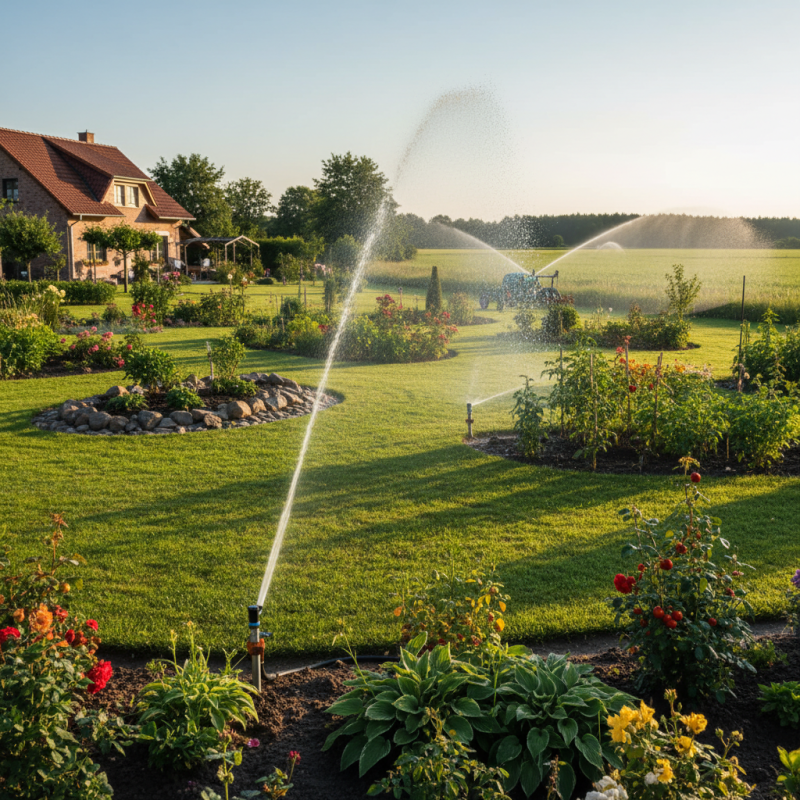
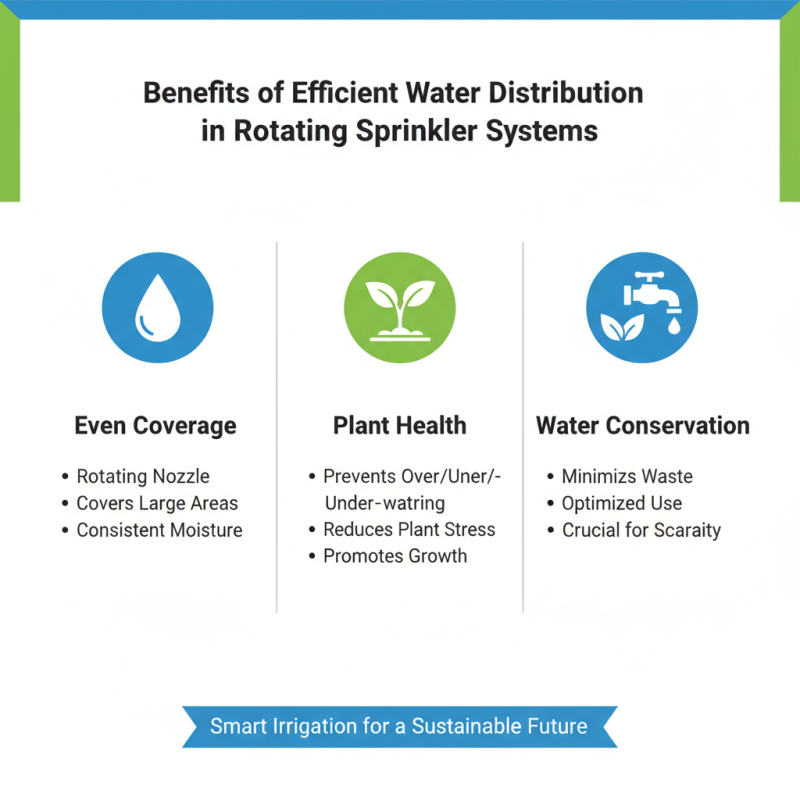
Benefits of Efficient Water Distribution in Rotating Sprinkler Systems
Efficient water distribution is a key advantage of rotating sprinkler systems. These systems use a rotating nozzle to cover large areas evenly. As they spin, they provide consistent moisture to all parts of the garden. This avoids over-watering in some spots and under-watering in others. Such precision helps maintain the health of plants. It also reduces water waste, a crucial factor in a world that faces water scarcity.
The design of rotating sprinklers allows for adjustable spray patterns. Gardeners can modify the radius and the arc, tailoring the system to their specific landscape needs. This flexibility empowers users to efficiently irrigate various plant types. However, some may find initial setup challenging. It requires an understanding of the garden's layout and water requirements. Despite this hurdle, the long-term benefits of efficient water distribution often outweigh early investment in time and effort.
Using rotating sprinkler systems also contributes to improved soil health. Even moisture promotes the growth of beneficial microorganisms. Integrated irrigation can help lower the chance of fungal diseases as well. Nonetheless, some users may need to monitor the system periodically to ensure it functions optimally. Regular inspection is crucial for maintaining efficiency. Small adjustments can make a big difference in achieving the desired results.
Enhanced Coverage Area for Irregular Landscaping with Rotating Sprinklers
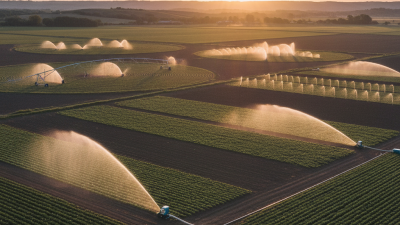
Rotating sprinkler systems are ideal for landscapes with irregular shapes. They can reach every corner of your garden, ensuring no area is neglected. This is a significant advantage for homeowners with unique yard designs. Unlike traditional fixed systems, rotating sprinklers adjust their range. This results in efficient water usage and helps maintain a healthy garden.
When setting up your rotating sprinkler, consider the layout of your landscaping. Place sprinklers at key points to maximize coverage. Avoid overlapping water zones, as this can lead to wasted water. Pay attention to how the water disperses. You may need to make small adjustments for optimal performance.
Tips: Regularly check for any clogs in your sprinkler heads. Clogs can affect water flow and reduce efficiency. Also, observe your plants closely. If some areas appear dry, you might need to reposition a few sprinklers. Efficient watering leads to lush greenery. Keep refining your approach, as perfecting your system takes time.
Water Conservation Techniques Incorporated in Rotating Sprinkler Designs
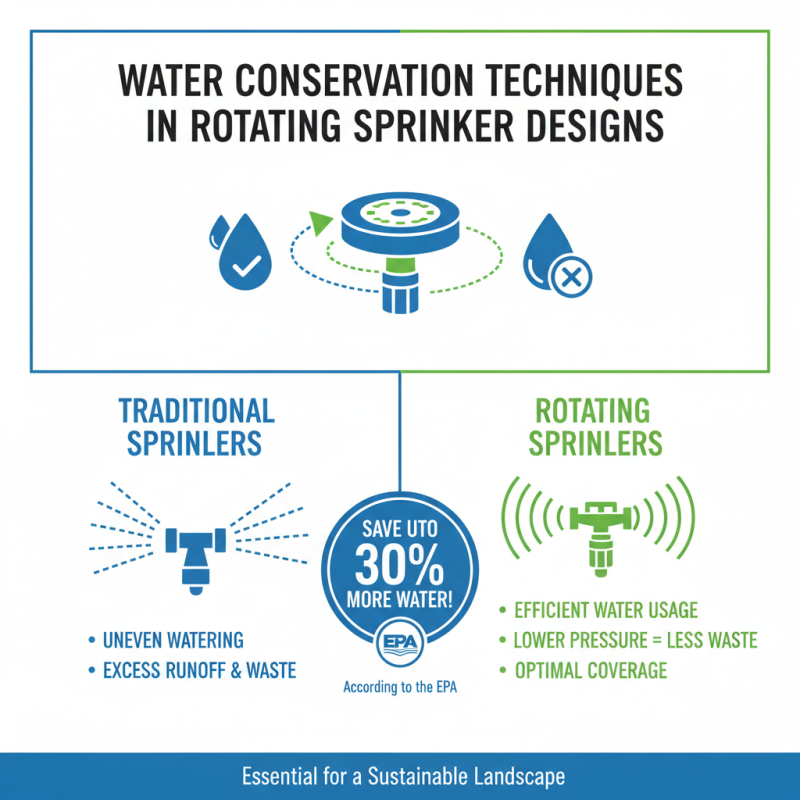
Rotating sprinkler systems are becoming essential for efficient water usage. These systems are designed with advanced technology that minimizes waste while delivering optimal coverage. Traditional sprinklers often lead to uneven watering and excess runoff. However, rotating sprinklers use lower pressure, which reduces water loss significantly. According to the Environmental Protection Agency (EPA), using rotating sprinklers can save up to 30% more water than conventional spray heads.
One innovative feature of rotating sprinkler designs is their ability to adjust to weather conditions. Real-time data can influence watering schedules based on rainfall and humidity. This ensures plants receive the right amount of moisture. A study by the Irrigation Association showed that landscapes irrigated with rotating systems enjoyed healthier growth with less water.
Tip: Regularly monitor your sprinkler system for clogs or leaks. These issues can impact efficiency. Check the spray pattern regularly to make sure water is reaching the intended areas.
Additionally, using rotating sprinklers complements drought-tolerant landscaping. By matching the right watering technique to plant needs, gardeners can further enhance water conservation. Implementing mulch around plants can also help retain moisture. As technology evolves, these sprinklers can offer insights into water usage and plant health.
Tip: Invest in timers or smart controllers for your rotating systems. This can automate your irrigation, saving time and additional water.
Reduction of Water Waste Through Targeted Application Methods
Rotating sprinkler systems offer substantial benefits, particularly in reducing water waste. Reports indicate that traditional irrigation approaches can waste up to 50% of water due to evaporation and runoff. In contrast, rotating systems apply water more efficiently, targeting specific areas and minimizing excess. They deliver water in a controlled manner, resulting in healthier plants with reduced resource use.
Implementing these systems can save significant amounts of water. A study from the Irrigation Association revealed that homeowners could lower their outdoor water usage by 30-50% when using advanced sprinkler technology. This shift not only conserves water but also lowers utility bills. Observing how much water your landscape truly needs is vital. Over-irrigation can lead to waterlogged soil, harming plant roots.
Tip: Adjust your sprinkler settings to match the weather conditions. If it rains, routinely check and modify your schedule to compensate. Consider also using a rain gauge. This small tool helps you determine how much irrigation you really need.
Using rotating sprinkler systems contributes positively to the environment. They reduce the energy used for pumping and treating excess water. However, be mindful of potential overspray on sidewalks, which can negate some benefits. Regular maintenance is essential to ensure systems work optimally and do not waste water.
Top 10 Benefits of Using Rotating Sprinkler Systems
| Benefit |
Description |
Potential Water Savings (%) |
| Targeted Water Delivery |
Rotating sprinklers deliver water directly to the root zone, reducing runoff. |
30% |
| Even Water Distribution |
Provides uniform coverage, ensuring all areas receive adequate water. |
25% |
| Reduced Evaporation |
Operates at lower pressures, minimizing water loss to evaporation. |
20% |
| Improved Plant Health |
Allows for healthier growth due to consistent moisture levels. |
15% |
| Schedule Flexibility |
Easily programmable systems optimize watering schedules based on weather conditions. |
10% |
| Durability |
Built to withstand various environmental conditions, requiring less frequent replacements. |
5% |
| Time Efficiency |
Automates watering, saving time for users. |
15% |
| Cost-effective |
Reduces water bills through efficient use of resources. |
30% |
| Environmental Impact |
Less water waste leads to a lower environmental footprint. |
40% |
| Versatile Applications |
Suitable for various landscapes including gardens, parks, and sports fields. |
20% |
Improved Plant Health and Growth through Optimized Irrigation Practices
Rotating sprinkler systems offer a unique advantage for plant health and growth through optimized irrigation practices. These systems deliver water evenly across the garden, ensuring that no patch remains too dry or excessively wet. Plants thrive when they receive the right amount of moisture, as uneven watering can lead to stress and unhealthy growth. With rotating sprinklers, the distribution is more precise compared to traditional fixed systems.
Using rotating sprinklers can also reduce water waste significantly. They operate by rotating in a set pattern, allowing for thorough coverage without over-saturating certain areas. This efficient use of water not only conserves resources but also promotes healthier root systems. On the downside, some users might find that setups can be complicated, especially in irregularly shaped gardens. Adjusting the nozzle settings can also be a trial-and-error process, which requires some patience.
Additionally, rotating sprinklers help reduce disease risks among plants. Proper moisture levels discourage fungus and other diseases that thrive in overly wet conditions. However, too much focus on irrigation might lead some gardeners to overlook other essential factors, such as soil quality and sunlight. Balancing irrigation with these elements is vital for optimal plant health. By exploring the benefits and potential pitfalls of rotating sprinkler systems, gardeners can develop a more holistic approach to plant care.
Top 10 Benefits of Using Rotating Sprinkler Systems