The choice of materials in plumbing is critical. Among them, the "Plastic Hose Connector" stands out for its versatility and resilience. According to an industry report by the International Plumbing Association, over 70% of plumbing professionals prefer plastic connectors for outdoor applications due to their lightweight nature and resistance to corrosion. This data showcases the growing trend toward plastic components in plumbing systems.
Joe Thompson, a renowned expert in plumbing technology, stated, "Plastic Hose Connectors offer durability and flexibility that metal options can’t match." His insights emphasize the advantages that plastic connectors bring to both residential and commercial plumbing projects.
However, not every plastic connector is created equal. Some may lack the robustness needed for high-pressure applications. It is vital for consumers to choose reliable brands that ensure safety and performance. In a market flooded with options, careful selection can make a significant difference in long-term efficiency. Focusing on quality can mitigate common plumbing issues associated with inferior products.
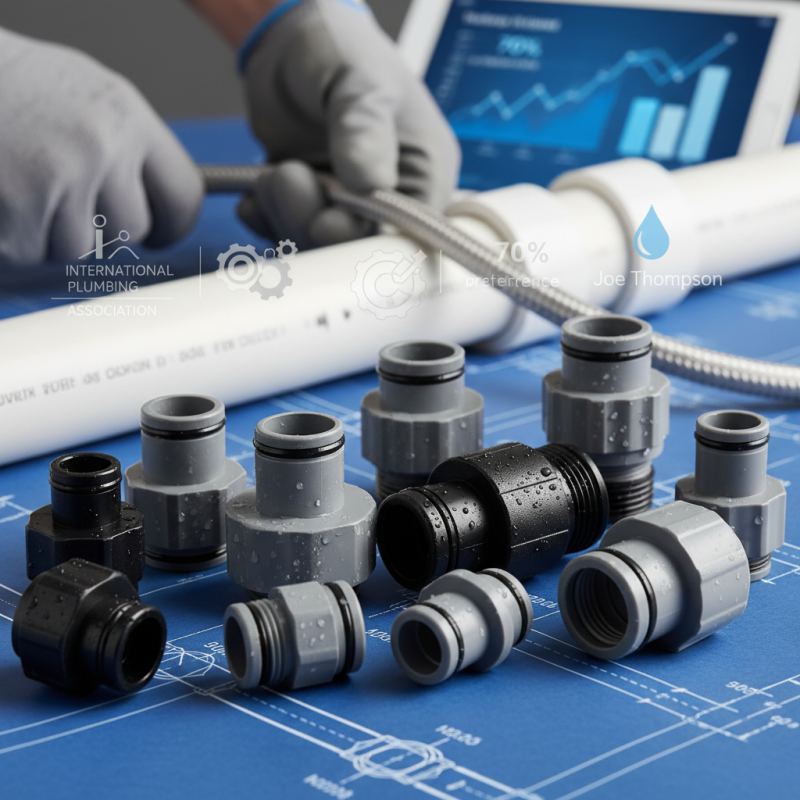
Plastic hose connectors have gained popularity in plumbing systems for several reasons. They are lightweight and easy to handle. This makes installation a breeze, especially for DIY enthusiasts. The flexibility of plastic also allows for various configurations in tight spaces.
Another advantage is their resistance to corrosion. Unlike metal connectors, plastic does not rust or degrade over time when exposed to moisture. This durability can lead to fewer repairs and replacements. However, it’s essential to ensure that these connectors are suitable for high-pressure applications. Choosing the right type is crucial to avoid leaks or burst hoses.
Moreover, plastic hose connectors offer excellent affordability. They provide a cost-effective solution for both home and industrial plumbing. However, it is important to balance cost with quality. Investing in higher-quality plastic can prevent future issues. It's a compromise worth considering to ensure long-lasting performance in your plumbing setup.
| Feature | Description | Advantages |
|---|---|---|
| Lightweight | Easy to handle and install. | Reduces labor costs and simplifies installation. |
| Corrosion Resistance | Not affected by rust or corrosion. | Longer lifespan compared to metal connectors. |
| Cost-Effective | Generally cheaper than metal alternatives. | Great value for budget-conscious projects. |
| Chemical Resistance | Resists many harsh chemicals and solvents. | Ideal for various plumbing applications. |
| Flexible Design | Can be molded into various shapes. | Accommodates different installation needs easily. |
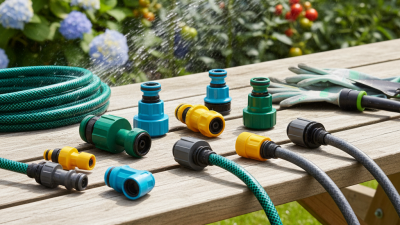
When considering plumbing solutions, the choice between plastic hose connectors and metal alternatives is significant.
Plastic hose connectors are lighter and often easier to handle. This can be particularly beneficial during installations where accessibility is limited. Additionally, plastic does not corrode, making it a reliable choice for outdoor use.
Metal connectors, while strong, can be prone to rust and require more maintenance. If you live in a humid area, metal may not hold up as well as plastic. Plastic connectors are also available in various sizes and styles, making them versatile for different plumbing applications. However, they might not withstand high pressures like their metal counterparts.
Tips: Always ensure a proper fit when using plastic connectors. A loose connection can lead to leaks. Regularly check for signs of wear and tear, even with plastic. If you notice cracks or significant discoloration, consider replacements. While plastic connectors can be a great choice, reflections on your specific plumbing needs could lead you to a different solution.
When considering plumbing needs, durability is paramount. Plastic hose connectors offer unique longevity. Unlike metal counterparts, plastic connectors resist corrosion and rust. This makes them ideal for outdoor use, where humidity is a common issue. They can withstand extreme weather, ensuring reliable performance.
Installation is straightforward, adding to their practicality. Many homeowners appreciate this ease of use. However, be cautious about over-tightening. It may lead to cracking. Regularly inspect connectors for wear. This simple act can extend their lifespan significantly.
Tips: Choose connectors made from high-quality plastic. Always consider the temperature range they can handle. Keep in mind that while they are durable, excessive sun exposure may degrade some plastics. Using a protective cover can mitigate this risk and ensure you get the maximum life out of your plumbing connections.
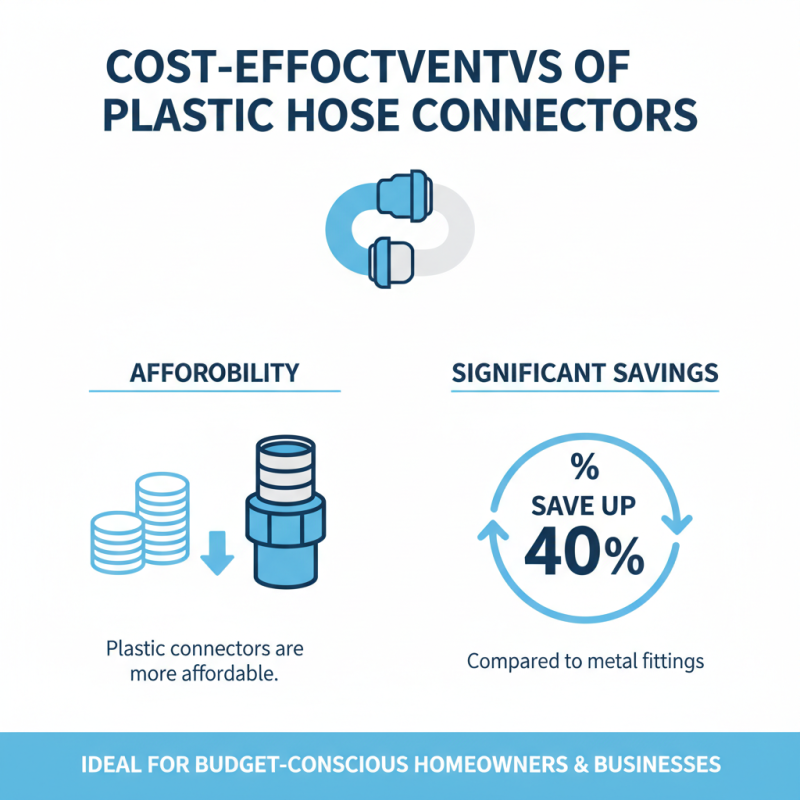
When considering plumbing needs, cost-effectiveness plays a critical role. Plastic hose connectors are often more affordable than metal alternatives. According to industry reports, using plastic connectors can save up to 40% compared to metal fittings. This significant savings makes them appealing for budget-conscious homeowners and businesses.
Plastic hose connectors are not just cheap. They also resist corrosion and don’t require maintenance like metal. This feature contributes to their longevity, reducing replacement costs. Data suggests that the lifespan of high-quality plastic connectors can surpass ten years under normal use. In contrast, metal ones may degrade faster, especially in humid environments.
Despite their advantages, some concerns arise. Plastic connectors may not handle high-pressure situations as well as metals. However, advancements in technology are narrowing this gap. Many newer designs can withstand substantial pressures. Users must assess their specific needs carefully. Making informed choices ensures that the selected products align with both practicality and budget.
The environmental impact of plastic hose connectors is significant in plumbing applications.
According to a report from the American Environmental Protection Agency, plastic materials can account for around
20% of all plumbing components used nationwide. This statistic reflects the growing reliance on plastic due to its
lightweight nature and corrosion resistance.
However, the sustainability of plastic is often questioned. Many plastic connectors are made from non-renewable resources and
can take centuries to decompose in landfills. A research study published in the Journal of Plastic Waste Management
indicates that less than 10% of plastics are recycled effectively. This highlights the need for better
recycling practices within the plumbing industry.
On the other hand, innovations in bioplastics present an
opportunity for improvement. Some manufacturers are exploring materials derived from renewable resources, which could reduce the carbon footprint.
Adopting biodegradable alternatives could significantly mitigate the long-term environmental consequences of traditional plastic connectors.
As plumbers and homeowners evaluate their options, understanding the nuances of these materials becomes crucial for making informed decisions.