How to Choose the Best Courtyard Sprinkler for Your Garden?
Choosing the right Courtyard Sprinkler for your garden can seem daunting. Homeowners often overlook this essential tool. A good sprinkler ensures your plants thrive, shaping the beauty of your outdoor space. Various options are available on the market, each with unique features that cater to different garden sizes and types.
Consider your specific needs before making a purchase. Do you have a small, cozy courtyard, or a sprawling garden? The size impacts your choice. For instance, larger gardens might benefit from a more advanced system. A simple handheld sprinkler might suffice for smaller areas. Remember, the goal is to ensure efficient water distribution without wastage.
Taking the time to research is crucial. Examine brands, read expert reviews, and ask experienced gardeners for recommendations. Not every Courtyard Sprinkler is suitable for every climate or soil type. A sprinkler might perform well in one region but struggle in another. Explore options to avoid costly mistakes and ensure your garden flourishes.
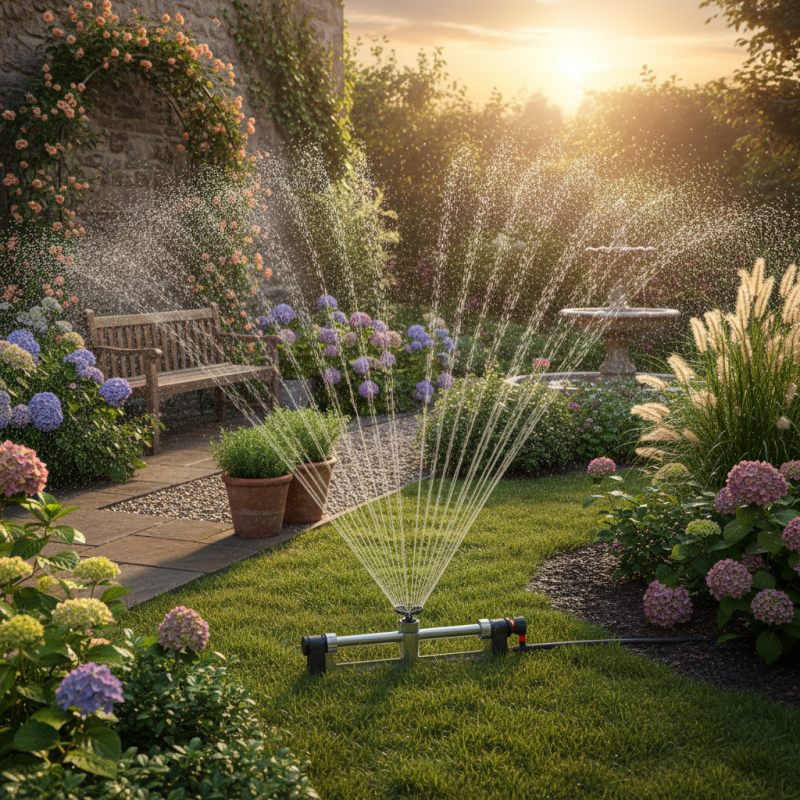
Identifying Your Garden Type and Its Watering Needs
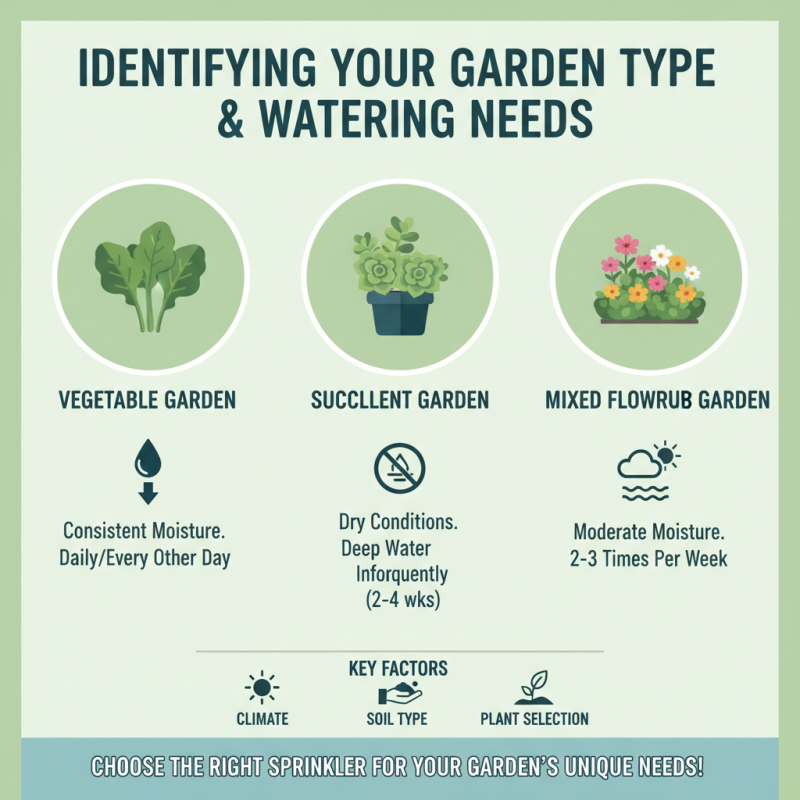
When selecting a courtyard sprinkler, understanding your garden type is crucial. Different plants have varying water needs. For instance, vegetable gardens often require consistent moisture, while succulents thrive in drier conditions. Consider your area's climate, soil type, and plant selection to determine your watering requirements.
Tips: Observe your garden during dry spells. Note which plants wilt first. This will help you identify your garden's specific watering needs. Also, consider using a moisture meter. It can provide insight into soil moisture levels, ensuring plants get the right amount of water.
It’s common to underestimate watering needs. Many gardeners assume all plants can survive on the same schedule. However, over or under-watering can harm your plants. Researching each plant’s requirements can greatly boost your garden's health. Don't shy away from adjusting your plan based on the seasons. Adaptability is key in gardening success.
Understanding Different Types of Courtyard Sprinklers and Their Functions
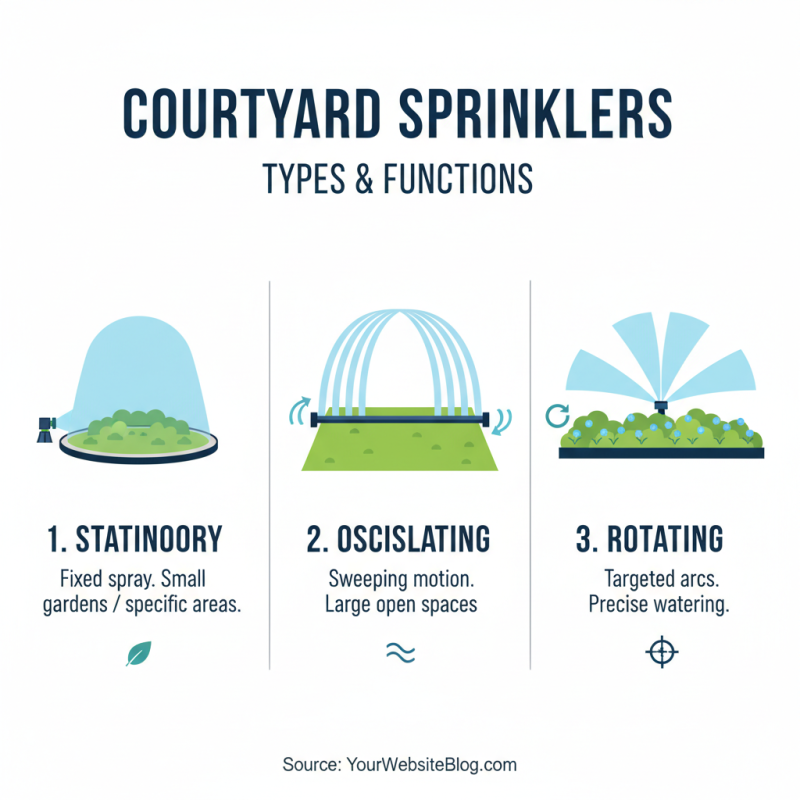
When choosing a courtyard sprinkler, understanding the types available is crucial. There are stationary, oscillating, and rotating sprinklers. Stationary sprinklers provide a fixed spray pattern. They are ideal for small gardens or specific areas. Oscillating models have a sweeping motion. This design covers larger spaces effectively. Lastly, rotating sprinklers shoot water in specific arcs. They are suited for precise watering needs.
Learning about these types helps in making an informed choice. Each sprinkler serves different functions. For instance, stationary sprinklers might not cover large lawns well. You may find yourself watering some spots more than others. On the other hand, oscillating sprinklers can wet paths or flowerbeds uniformly. However, they can also be less efficient in windy conditions, leading to water wastage.
It's important to consider your garden's unique layout. Factors like soil type and plants’ water needs also affect your decision. You may need to experiment with different models. Reflect on how well each one performs over time. An efficient garden sprinkler is more than just a tool; it’s a part of your gardening strategy. Aim for practicality and efficiency in your choice.
Evaluating Sprinkler Coverage Area and Water Pressure Requirements
When choosing a courtyard sprinkler, evaluating the coverage area and water pressure is vital. A sprinkler that doesn't cover your entire garden will lead to dry patches. Measure your garden's size first. This will help you select a sprinkler with the appropriate radius. Remember, some areas may need more coverage than others, depending on the types of plants you have.
Water pressure is another crucial factor. Low water pressure may not activate some sprinkler types efficiently. A simple check of your home’s water pressure can prevent disappointment. If pressure is lacking, consider a sprinkler designed for lower flow rates. Some systems may require adjustment or additional components to operate optimally. Always observe your equipment during the first few uses. Noticing unequal watering early can save you time and effort later.
Choosing the right sprinkler isn't always straightforward. It’s okay to experiment with different types to see what works best. Regular assessments can reveal changes in your garden's watering needs. Adjusting your approach can lead to a more vibrant garden. Don’t hesitate to reassess your sprinkler choices as your garden evolves.
Comparing Cost-Effectiveness and Maintenance of Sprinkler Options
When it comes to selecting a courtyard sprinkler for your garden, cost-effectiveness and maintenance are crucial factors. High-quality sprinklers can range widely in price, so budgeting is important. Some options may appear cheaper upfront but could lead to higher water bills. More efficient models, despite their higher initial cost, can save money over time. Look for designs that offer adjustable settings to match your garden's watering needs.
Maintenance is another vital consideration. Simple models often require regular adjustments and can be easily blocked. Meanwhile, advanced systems may have built-in features to minimize upkeep. Consider the average lifespan of the sprinkler as well. A well-made option might cost more now but could spare you frequent replacements later.
Pay attention to customer reviews and expert opinions too. Their experiences can highlight common issues and possible improvements that manufacturers could make. Assess your garden's specific needs, including size and plant types, to choose a sprinkler that provides efficient watering with minimal hassle. Take time to weigh these factors seriously.
Assessing Additional Features: Timers, Sensors, and Adjustability
When selecting a courtyard sprinkler, additional features can significantly enhance your garden's irrigation system. Timers, for instance, can automate watering schedules. According to a study by the Irrigation Association, gardens with timers can save up to 30% more water compared to those without. This efficiency is crucial in areas facing water restrictions.
Sensors also play a vital role. Soil moisture sensors determine when your plants need water. Research indicates that proper use of sensors can reduce overwatering by 40%. This ensures that plants receive adequate hydration while minimizing waste. Adjustability is another factor. A sprinkler’s range and spray pattern can be tailored to fit different garden layouts. This flexibility allows for effective coverage, helping prevent dry patches or waterlogging.
While these features enhance performance, they can also introduce complexity. Users may find it challenging to set up timers and sensors correctly. Misconfigurations can lead to under or over-watering. It's worthwhile to invest time in understanding these systems to maximize their benefits. Ultimately, balancing high-tech solutions with simplicity is key to a thriving garden.
Comparison of Courtyard Sprinkler Features