China Best Lawn Sprinklers for Efficient Watering Solutions?
Water scarcity is a growing concern globally, and efficient irrigation practices are essential. In China, the market for lawn sprinklers has seen significant advancements. According to industry reports, the lawn irrigation market is expected to grow by over 8% annually in the coming years. Lawn sprinklers play a vital role in this trend, providing effective watering solutions tailored to different landscape needs.
The diverse climate across China requires versatile lawn sprinklers. From compact gardens to expansive public parks, the right sprinklers ensure optimal water usage. Brands like Rain Bird and Hunter have been renowned for their innovative designs and technology. These products not only save water but also enhance plant health. However, the selection process can be daunting for many consumers. Understanding specific requirements is crucial for making informed decisions.
Despite advancements, challenges remain. Many users struggle with installation and maintenance, impacting overall performance. Misalignment or incorrect settings can lead to inefficient watering, wasting both water and resources. It's essential to consider these factors when exploring the best lawn sprinklers. Investing in quality products is key, but ongoing education and support are equally important to maximize efficiency.
Best Types of Lawn Sprinklers for Different Garden Sizes in China
In China, selecting the right lawn sprinkler depends on your garden size and layout. For smaller gardens, a stationary sprinkler is often a practical choice. These devices cover a specific area without wasting water. They are easy to install and adjust according to your needs.
For medium-sized gardens, oscillating sprinklers offer versatility. They provide a fan-like spray that reaches further than stationary models. Users can easily change settings, adapting to varying flower beds and grass needs. However, if not positioned correctly, they may leave dry spots. This is a common mistake.
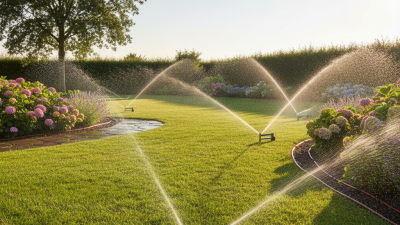
Large gardens benefit from rotating sprinklers. They cover vast areas efficiently, making sure every inch of your yard is soaked. But these models can sometimes be overkill for smaller areas. Over-spraying may lead to waterlogged soil if not monitored. Regularly adjusting the sprinkler's range can help avoid such problems. Understanding your garden's specifics is key for effective watering solutions.
Key Features to Consider When Choosing Lawn Sprinklers
When selecting lawn sprinklers, several key features are crucial for efficient watering. A reliable sprinkler system can significantly reduce water waste and ensure effective coverage. Data from the Irrigation Association indicates that efficient irrigation can save up to 50% more water compared to traditional methods. Look for adjustable spray patterns to customize coverage. This ensures that all areas receive adequate moisture without overshooting onto walkways or driveways.
Another important feature is the flow rate. The right flow rate allows for precise watering according to your lawn's size and type. The American Society of Agricultural and Biological Engineers recommends a flow rate of 1 inch of water per week for optimal growth. Oversaturating can lead to root rot, while under-watering may stunt growth.
Tips: Consider automated timers. These can help you set watering schedules based on your lawn's specific needs. Regularly check for blockages. Sprinkler heads can become clogged, affecting performance. Lastly, review your system seasonally. What worked last year may not be sufficient this year. Maintaining awareness of your lawn’s changing requirements ensures the best results.
Top Brands of Lawn Sprinklers Available in China
Lawn sprinklers are crucial for maintaining a lush and healthy yard. In China, the market offers various high-quality options. According to industry reports, the demand for efficient watering solutions has surged by 15% annually. Consumers are becoming more aware of the environmental impact of water usage. This shift has led to increased interest in innovative sprinkler systems.
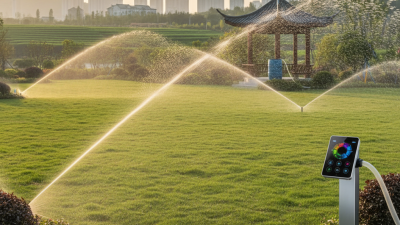
When selecting lawn sprinklers, it’s essential to consider the size of your garden and water source. Look for adjustable models to cater to different garden layouts. Furthermore, incorporating smart technology can enhance efficiency. Studies suggest that using smart sprinklers can reduce water consumption by up to 30%.
Tips: Set your sprinklers to work in the early morning or late evening. This timing minimizes evaporation losses. Ensure your system is properly calibrated to avoid over-saturation. Regular maintenance is critical for maintaining system longevity. Keeping an eye on localized weather reports can help optimize watering schedules.
China Best Lawn Sprinklers for Efficient Watering Solutions
| Type of Sprinkler |
Water Coverage Area (m²) |
Flow Rate (L/h) |
Material |
Adjustable Range (°) |
| Oscillating |
120 |
200 |
Plastic |
90 |
| Stationary |
100 |
150 |
Metal |
0 |
| Rotary |
150 |
250 |
Plastic/Metal |
360 |
| Drip Irrigation |
50 |
100 |
Plastic |
N/A |
| Above-Ground |
80 |
120 |
Metal |
180 |
Comparative Analysis of Sprinkler Types: Oscillating, Stationary, and Drip
When choosing a lawn sprinkler, it is crucial to understand the different types available: oscillating, stationary, and drip. Each has unique features that cater to specific watering needs. Oscillating sprinklers cover a broad area with a fan-like spray. They are suitable for larger spaces, ensuring even distribution. However, they may need constant adjustments and can become clogged.
Stationary sprinklers are fixed and ideal for smaller areas. They deliver water to a targeted spot, which can be beneficial for flower beds or vegetable gardens. However, they may require more manual work to reposition. Drip systems, on the other hand, are efficient and conserve water. They deliver moisture directly to the roots. This minimizes evaporation but can be complex to set up.
Understanding these differences is vital for efficient watering. Each type has its strengths and weaknesses. You might find the oscillating sprinkler needs frequent cleaning, while drip systems can be tricky to maintain. Consider your garden's needs and your own capacity for managing a sprinkler system. Every choice comes with a learning curve, and finding the right fit may take time.
China Best Lawn Sprinklers for Efficient Watering Solutions
Tips for Efficient Watering Practices Using Lawn Sprinklers in China
Lawn sprinklers can greatly enhance your watering practices. In China, where climate varies, efficient watering is crucial. To make the best use of lawn sprinklers, consider local weather patterns. Adjust your sprinkler settings for different seasons. Overwatering can be just as damaging as underwatering.
Here are some tips for efficient watering practices.
Water early in the morning or late in the evening. This reduces evaporation and promotes better absorption. Check your sprinkler coverage regularly. Uneven watering can lead to patchy grass. Be mindful of wind; it can scatter water, creating uneven results.
Monitoring your soil moisture is important. A simple soil moisture meter can guide you. If your soil feels wet, skip watering that day. Be flexible and ready to adjust your schedule. Reflect on your results to improve your watering efficiency. Effective use of sprinklers requires ongoing attention and care.