Top Impulse Sprinkler Options for Best Watering Solutions?
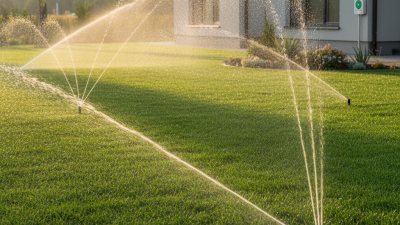
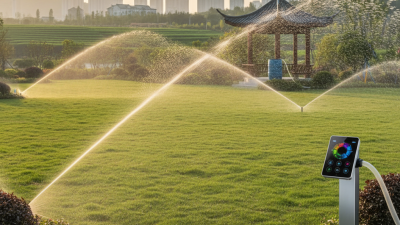
When it comes to efficient watering solutions, the Impulse Sprinkler stands out as a reliable choice. This device utilizes a unique mechanism that provides consistent water distribution across various landscapes. Gardeners appreciate its effectiveness in reaching both flowers and vegetable patches. The well-designed spray patterns ensure that every corner of your garden receives adequate moisture.
Choosing the right Impulse Sprinkler can be overwhelming, given the numerous options available. Factors such as coverage area, water pressure, and durability play crucial roles in making a selection. It's vital to consider the specific needs of your garden to ensure the best results. However, some models may not perform as expected, leading to uneven distribution. This inconsistency can cause frustration, necessitating a rethink of your choice.
Ultimately, understanding the benefits and limitations of Impulse Sprinklers empowers you to make informed decisions. In this exploration, we will review the leading options on the market. With the right knowledge, you can enhance your watering routine and achieve a thriving garden.
Top Features to Consider for Choosing an Impulse Sprinkler
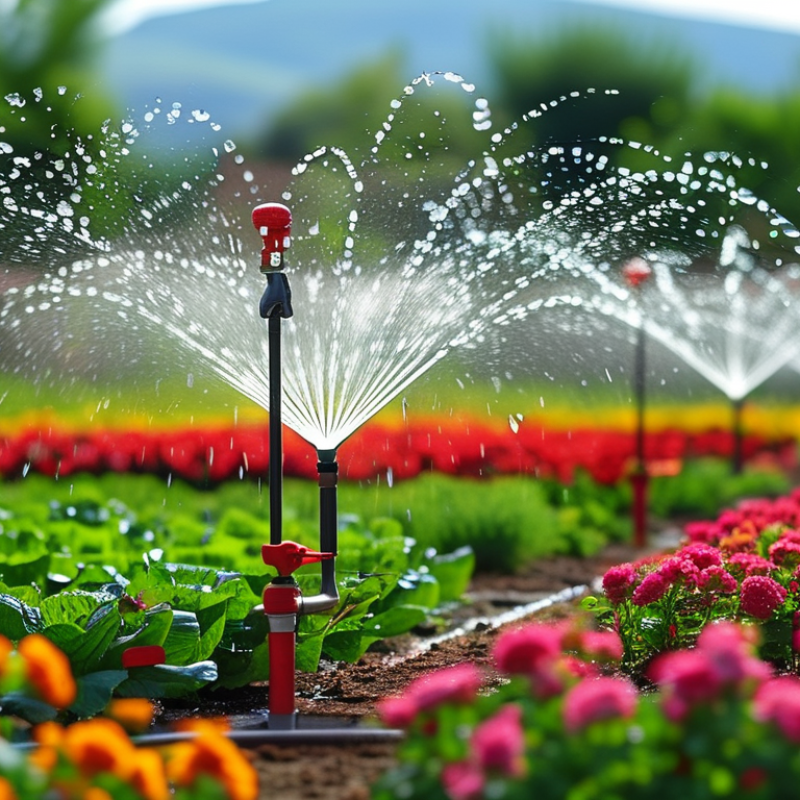
When selecting an impulse sprinkler, several key features stand out. Adjustability is crucial. Look for models that allow the user to modify the spray distance and pattern. This flexibility ensures every part of your garden receives adequate watering. The ability to change settings can save water and improve efficiency.
Durability matters as well. A good impulse sprinkler should withstand varying weather conditions. Materials like rust-resistant metal or high-impact plastic can enhance lifespan. Check reviews for insights into performance under pressure and over time. This may reveal how trustworthy a product really is.
Another vital consideration is the ease of use. Lightweight options can simplify transport around your yard. Additionally, examine how easy it is to connect to your water supply. Complicated setups can quickly lead to frustration. Design clarity can significantly enhance your watering experience, making it more enjoyable. Sometimes, the simplest designs perform the best, requiring less troubleshooting.
Top Impulse Sprinkler Options for Best Watering Solutions
| Feature |
Description |
Water Coverage |
Adjustable Spray Pattern |
Durability |
| Impulse Sprinkler A |
Ideal for large areas, with a strong spray. |
Up to 4500 sq ft |
Yes - 4 settings |
Highly durable plastic |
| Impulse Sprinkler B |
Perfect for medium-sized lawns. |
Up to 3600 sq ft |
Yes - 3 settings |
Rust-resistant metal |
| Impulse Sprinkler C |
Great for spot watering and small gardens. |
Up to 1800 sq ft |
Yes - 2 settings |
Plastic and rubber |
| Impulse Sprinkler D |
Best for flower beds and narrow areas. |
Up to 2400 sq ft |
Yes - 5 settings |
High-impact plastic |
Comparative Analysis of Different Impulse Sprinkler Models
Impulse sprinklers are essential for efficient watering. Their rotating arms distribute water evenly over the landscape. Different models vary significantly in range, coverage, and pressure. Some classic reports indicate that quality sprinklers can save up to 30% more water compared to traditional models. This efficiency is critical for environmentally conscious consumers and can lower water bills.
Model selection should be based on the specific needs of your garden. For instance, check the radius and arc coverage before purchasing. A good choice will minimize overlap. Consider adjusting the pressure for best results. This simple act can enhance distribution and reduce waste.
Tips: Regular maintenance is crucial. Clean the nozzle frequently to avoid clogs. Test the sprinkler on a test area before full activation. Adjust the settings as needed. Look for models with adjustable settings. They offer flexibility for different garden sizes and types. Reflecting on your water usage habits can improve efficiency. Notice any areas that may need extra coverage or adjustments. Adjust accordingly.
Industry Standards: Best Practices for Efficient Watering Solutions
Effective watering is essential for sustainable landscaping and agriculture. According to a report by the American Society of Agricultural and Biological Engineers, inefficient irrigation practices can lead to water waste of up to 50%. This highlights the need for adherence to industry standards in watering solutions. Utilizing advanced technology, such as soil moisture sensors, can significantly optimize water usage. These devices provide real-time data, ensuring water is applied only when necessary, promoting healthy plant growth and conserving resources.
Implementing best practices is crucial in maximizing efficiency. The Irrigation Association emphasizes that regular system maintenance can prevent leaks and ensure even distribution. However, many users overlook this aspect. Studies show that proper calibration and timely repairs can reduce water usage by up to 30%. Adopting a proactive approach, like scheduling routine checks, fosters accountability and enhances system performance.
Additionally, understanding the unique needs of various plant types is vital. Some species require more water than others. A report by the USDA outlines that matching irrigation schedules to plant water requirements can improve overall system efficiency. Yet, customization is often neglected by inexperienced users, leading to either over or under-watering. This lack of knowledge can compromise both crop yield and resource conservation efforts.
Performance Metrics: Coverage Area and Water Distribution Efficiency
When selecting an impulse sprinkler, understanding performance metrics is crucial.
Coverage area plays a significant role in effective irrigation. A well-designed sprinkler
should offer a wide reach. Ideally, it should cover at least 3000 square feet in a single
operation. However, achieving this coverage effectively requires careful adjustments.
Sometimes, users may find uneven distribution when settings are incorrect.
Water distribution efficiency is equally important. A high-quality sprinkler delivers a
steady flow of water. It minimizes over-saturation in certain areas while ensuring others
receive adequate moisture. Matching the sprinkler's output with soil absorption rates is a
vital yet often overlooked consideration. Mistakes can lead to areas that are either too
dry or too soaked.
Imperfect irrigation practices lead to wasted water. Users should regularly evaluate the
performance of their systems. Observing sprinkler output and adjusting as necessary can yield
better results. It’s essential to understand that personal observation and adjustments
often make the difference in achieving optimal watering solutions. Investing time in
refining these aspects can significantly enhance garden health.
Environmental Impact: Water Conservation Benefits of Impulse Sprinklers
Impulse sprinklers are gaining attention for their significant water conservation benefits. They can deliver water efficiently across large areas, minimizing runoff. According to a 2022 report from the Environmental Protection Agency (EPA), gardens using impulse sprinklers can reduce water use by up to 30%. This reduction is crucial as many regions face increasing water scarcity.
The technology behind impulse sprinklers allows for adjustable spray patterns. This adaptability ensures that desired areas receive adequate moisture while preventing waste. Research published in the Journal of Irrigation Science shows that precise watering can improve plant health and yield. However, not all impulse sprinklers are created equally. Understanding which design best suits your needs is essential. Some might require more maintenance than others, and efficiency can vary widely.
Water conservation isn't just about reducing usage. It also involves improving the quality of local water sources. Overwatering leads to soil erosion and nutrient loss. While impulse sprinklers can help, their impact depends on the correct installation. A poorly positioned sprinkler can waste valuable water resources. As homeowners look for sustainable options, embracing impulse sprinkler technology must come with proper education and planning.
Water Conservation Benefits of Impulse Sprinklers