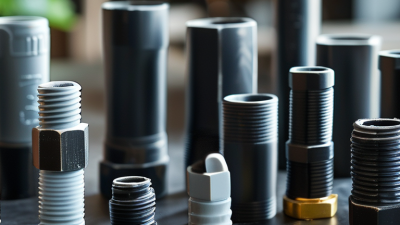
China Top Hose Connector Types Explained How to Choose the Right One?
In the rapidly growing Hose Connector industry, understanding the various types is crucial. Experts estimate that the global hose connectors market will reach USD 4.5 billion by 2025, driven by increases in agriculture and industrial applications. According to industry specialist John Stevens, “Choosing the right hose connector can save significant time and costs.” His insights emphasize the importance of making informed decisions in this area.
Each hose connector type serves unique functions and applications. Failure to select the appropriate connector may lead to leaks or inefficiencies. Industry reports indicate that improper fittings account for nearly 30% of operational failures in hydraulic systems. Despite this, many users rely on generic choices, resulting in wasted resources.
Choosing wisely among these options is not always straightforward. Misconceptions often lead to mistakes during the selection process. Investigating specifications, material compatibility, and application needs is essential. A clear understanding of these factors enhances reliability and performance. For any business, aligning these components with industry standards ensures both safety and efficiency in operations.
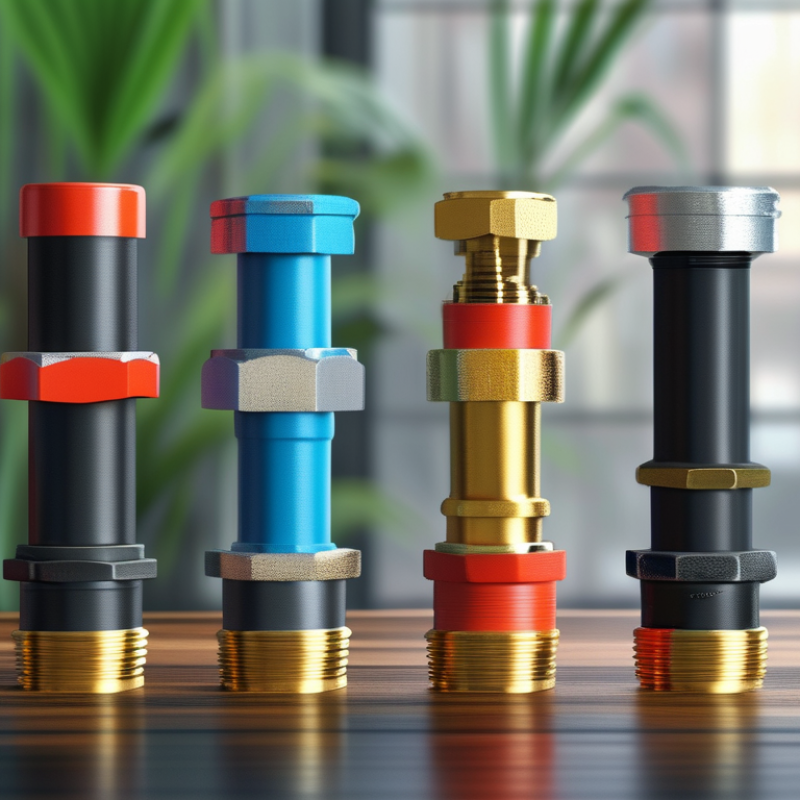
Types of Hose Connectors Commonly Used in China
In China, various hose connector types are widely used across industries. Each type has its specific purpose and application. Understanding these connectors helps in choosing the right one for your needs.
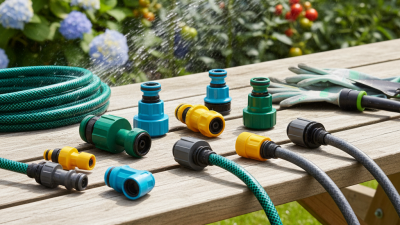
One common type is the quick-connect connector. It allows for easy attachment and detachment. This feature is convenient for tasks that require frequent changes. Another popular type is the threaded connector. It offers a secure connection through screw threads. This type excels in high-pressure applications.
There are also barbed connectors, which grip the hose effectively. They are often used in garden and agricultural settings. However, selecting the wrong type can lead to leaks or failures. It's essential to consider factors like pressure and material compatibility. Doing so prevents costly mistakes and downtime. In a world where precision matters, the right choice is crucial. So, assess your specific needs carefully.
Factors to Consider When Choosing Hose Connectors
When choosing hose connectors, several key factors come into play. First, consider the material of the connector. Metal connectors are strong and durable but may corrode over time. Plastic connectors are lighter and resistant to rust but can break under stress. Think about how often you will use the connectors and under what conditions. High-pressure environments require stronger materials.
Next, size matters significantly. Ensure the connector fits the hose diameter. Mismatched sizes can lead to leaks or burst hoses. It’s essential to check the specifications before making a decision. Additionally, connection type—such as threaded or push-fit—can affect performance.
Compatibility with existing systems should also be evaluated. Mixing and matching connectors across different systems might seem convenient, but it can lead to serious issues. Some connectors may not seal properly, leading to potential failures. Always assess the entire setup to ensure everything fits well together. Keep these considerations in mind, and your choice of hose connectors will be much more informed.
Materials Used in Hose Connector Manufacturing
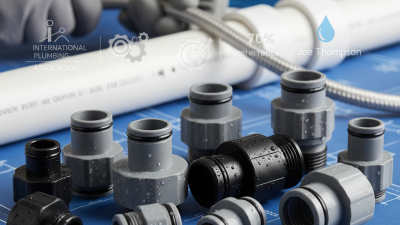
When choosing a hose connector, the materials used in its manufacturing play a crucial role. Common materials include brass, plastic, rubber, and stainless steel.
Brass connectors are durable and resistant to corrosion. However, they can be heavier and might require more effort to install.
Plastic connectors are lightweight and cost-effective, making them popular for gardening tasks. Yet, they may not endure extreme conditions as well as metal options.
Rubber, often used for seals and gaskets, provides flexibility and resilience. It offers a great seal but can degrade in harsh environments.
Stainless steel is a premium option, combining strength and corrosion resistance. Still, it tends to be more expensive, which may not fit every budget.
Tips: Always check compatibility between the connector material and your hose type. This ensures a proper fit and prevents leaks.
Consider the working conditions as well. If you need something durable for outdoor use, metal connectors might be more reliable.
Lastly, verify the manufacturer's guidelines on installation techniques for the best results.
Applications of Different Hose Connector Types
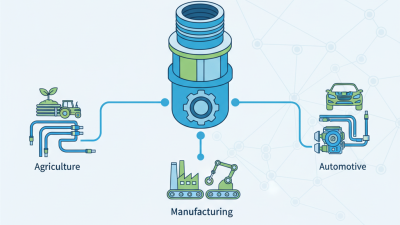
Hose connectors are essential in various industries. Understanding their applications helps in selecting the right type. Agricultural, automotive, and construction sectors heavily rely on these connectors. According to industry reports, the global hose connector market reached $5.9 billion in 2022, showing consistent growth.
In agriculture, connectors facilitate fluid transfer between irrigation systems and water sources. They must withstand high pressure and are often made from durable materials. In the automotive sector, hose connectors are critical in managing coolant and fuel lines. Failure in this area can lead to significant engine problems. Data suggests that improper fittings contribute to over 30% of system failures.
In construction, different types of connectors are needed for varied tasks. They connect air hoses, water hoses, and hydraulic lines. Yet, the choice of connector often lacks thorough consideration. Many industry professionals overlook compatibility issues. This can lead to leaks and inefficiencies. Selecting a connector requires knowledge of pressure ratings and material properties. By prioritizing these factors, users can avoid common pitfalls and ensure optimal performance.
Maintenance Tips for Hose Connectors to Ensure Longevity
Maintaining hose connectors is crucial for their longevity and performance. Regular inspections can prevent unexpected failures. Check for signs of wear, such as cracks or stiff parts. A simple visual inspection often reveals underlying issues. Don’t ignore minor leaks; they can indicate a bigger problem.
Cleaning hose connectors is essential. Dirt and debris can obstruct flow and create pressure issues. Use a cloth to wipe down the exterior and a brush for the interior. Make sure to remove any buildup around threads. A clean connector functions better and lasts longer.
Proper storage is also important. When not in use, store connectors in a dry, shaded area. Exposure to sunlight can weaken materials over time. Avoid cramming them in tight spaces; that can lead to deformation. Breaking these habits can help extend the life of your hose connectors.
China Top Hose Connector Types Sales Comparison
This chart displays the sales comparison of different types of hose connectors commonly used in China. Selecting the right hose connector depends on factors like material durability and application suitability. Regular maintenance can extend the life of these connectors, ensuring your systems operate smoothly.