What is an Impulse Sprinkler and How Does It Work?
An Impulse Sprinkler is a vital tool in modern irrigation practices. It combines efficiency with effective water distribution. This sprinkler type operates through a unique mechanism that creates a rotating motion. It delivers water in a series of pulses, allowing for even coverage across lawns and gardens.
Understanding how an Impulse Sprinkler works can enhance garden care and agricultural efficiency. It relies on pressure to function correctly, ensuring a steady water flow. The design often includes adjustable settings, giving users the ability to customize the watering experience. However, not all models perform equally well under various conditions.
Maintenance of an Impulse Sprinkler is essential for optimal performance. Some users may overlook this, leading to reduced efficiency. Users must reflect on their choice of sprinkler and usage habits. A well-chosen Impulse Sprinkler can make a significant difference in water conservation and plant health.
What is an Impulse Sprinkler?
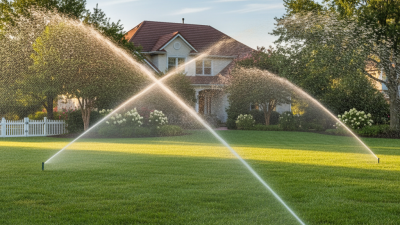
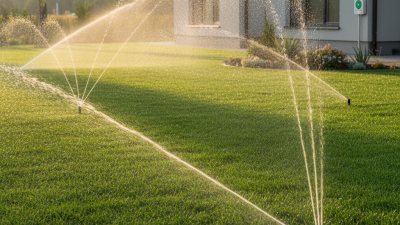
An impulse sprinkler is a type of irrigation system designed to distribute water over a large area. It uses a rotating arm to project water in a circular pattern, providing coverage to plants and grass efficiently. These sprinklers typically operate at lower pressure than others, making them energy-efficient. According to industry reports, impulse sprinklers can save up to 30% more water compared to traditional systems, a crucial factor in regions facing water scarcity.
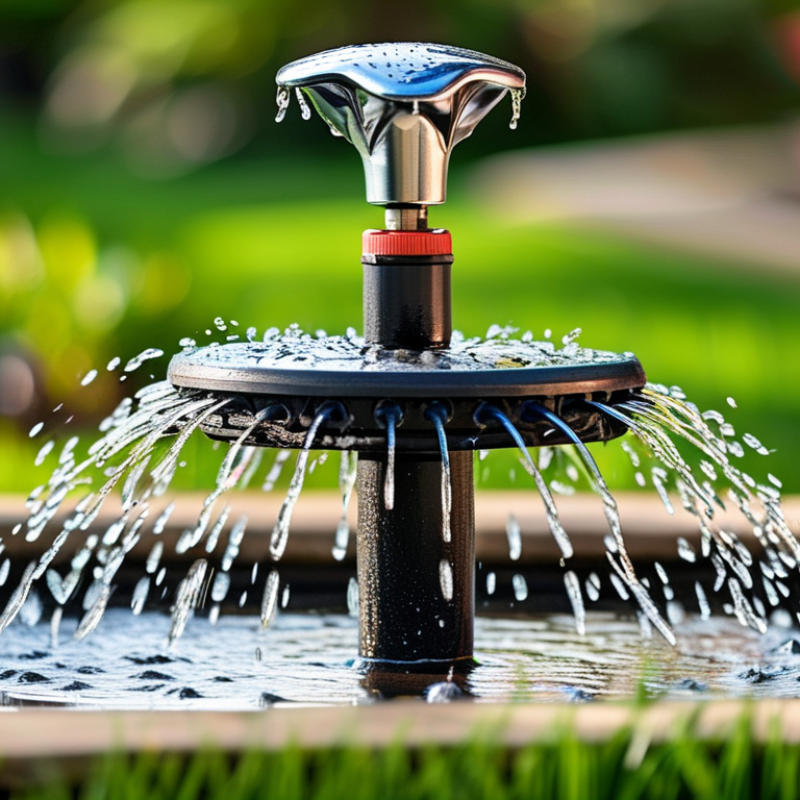
The mechanics of impulse sprinklers are fascinating. Water enters through a nozzle, striking a turbine. This force causes the arm to rotate. The arm then propels water in a wide arc, creating a gentle rain-like effect. Studies reveal that this design minimizes runoff, ensuring that more water penetrates the soil. However, maintaining these systems can be challenging. Clogging often occurs with debris, affecting performance. Regular maintenance is essential for optimal operation, which may deter some users.
Impulse sprinklers are versatile, suitable for both residential and agricultural use. They adapt well to various terrains, ensuring that all plants receive adequate water. Data shows that they can cover areas ranging from 1000 to 4500 square feet, depending on the model. Despite these benefits, users should consider the limitations. Factors like wind and uneven ground can impact efficiency, leading to potential water waste. Understanding these nuances is vital for effective irrigation planning.
The Mechanism Behind Impulse Sprinklers
Impulse sprinklers operate through a fascinating mechanism, making them a popular choice in irrigation systems. These sprinklers utilize a rotating arm that swings back and forth. As water pressure builds, it forces the arm to pivot. This action creates a powerful stream of water that is released in a specific pattern. The design allows for efficient coverage of large areas, ensuring plants receive adequate moisture.
The mechanism is simple yet effective. Water enters a chamber, where it builds pressure until it propels the arm. It's not uncommon for homeowners to experience uneven watering if the sprinkler is not adjusted properly. This can lead to dry patches in the garden. Regular checks on the nozzle and arm alignment can significantly improve performance and coverage.
Despite their reliability, impulse sprinklers can face issues. For instance, debris in the water can clog the nozzle, reducing efficiency. Observing the sprinkler's operation can highlight these problems early. Seek to understand better how your system functions. Testing various pressure settings can help you find the ideal setup for your specific landscape. The goal is to achieve consistent and thorough irrigation.
Advantages of Using Impulse Sprinklers
Impulse sprinklers offer several advantages for irrigation. Their design allows for a wider coverage area. This means fewer sprinklers are needed, which can save money. They are efficient for large fields and gardens. The rotating nozzle disperses water in a pattern that reaches all corners.
One notable benefit is their resilience. Impulse sprinklers can withstand windy conditions better than stationary models. They maintain water distribution without significant loss due to evaporation. The adjustable settings allow users to modify the spray distance and pattern. This flexibility adapts to various plant species and soil types.
While impulse sprinklers are effective, some may struggle with clogging due to debris. Regular maintenance helps mitigate this issue. However, users should keep an eye on water pressure. Too high a pressure can lead to uneven coverage and water wastage. These factors need careful consideration for optimal performance.
Applications of Impulse Sprinklers in Agriculture
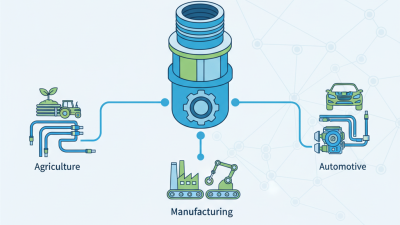
Impulse sprinklers are essential tools in modern agriculture, providing efficient irrigation solutions. These sprinklers are designed to distribute water evenly over large areas. They work by utilizing a rotating mechanism, which allows water to be sprayed in a circular pattern, minimizing waste and ensuring that crops receive adequate moisture. According to the Irrigation Association, properly designed sprinkler systems can reduce water usage by up to 30%.
The application of impulse sprinklers in agriculture is vast. They are particularly effective in fields with varying topography. This adaptability makes them suitable for row crops, orchards, and even vineyards. A report by the Food and Agriculture Organization (FAO) notes that using impulse sprinklers can improve crop yields by 15% to 20%. Farmers often see notable improvements in growth rates and fruit sizes.
**Tip:** Regular maintenance of impulse sprinklers can prevent clogs and ensure even water distribution. Check for any wear and tear on the components, and adjust the pressure settings as needed.
Despite their many advantages, reliance on impulse sprinklers comes with challenges. Farmers must consider soil type and crop water requirements. Over-irrigation can lead to waterlogging, affecting crop health. Careful monitoring and adjustments are necessary to optimize performance.
**Tip:** Soil moisture sensors can help in assessing the irrigation needs of your crops accurately. This technology ensures that you use water efficiently, boosting both yield and sustainability.
Applications of Impulse Sprinklers in Agriculture
Maintenance Tips for Optimal Performance of Impulse Sprinklers
Impulse sprinklers are effective tools for irrigation, but they require proper maintenance to perform optimally. Regular inspection of the sprinkler heads is essential. Dirt and debris can clog the nozzles, affecting water distribution. Studies show that even minor blockages can reduce efficiency by up to 30%. Cleaning filters and nozzles helps maintain performance.
Adjusting the sprinkler’s position is also critical. Misalignment can lead to uneven coverage, wasting water. A report from the Irrigation Association notes that proper positioning can increase water efficiency by 25%. Regularly checking the pressure is vital; too high or too low can harm the system. Aim for optimal pressure levels that suit your specific model to maximize efficiency.
Another aspect to consider is seasonal adjustments. Many users forget to adapt their systems as seasons change. Different plants have varying water needs, which can lead to over- or under-watering. Understanding these needs helps guide your adjustments. Effective maintenance hinges on attention to detail and a willingness to adapt practices based on observed performance and seasonal requirements.