Top 10 Abs Sprinkler Benefits for Your Home Garden Success?
Creating a flourishing home garden requires careful planning and the right tools. One essential tool for maintaining a garden's health is the Abs Sprinkler. This innovative device offers numerous benefits, making it a worthy investment for gardening enthusiasts.
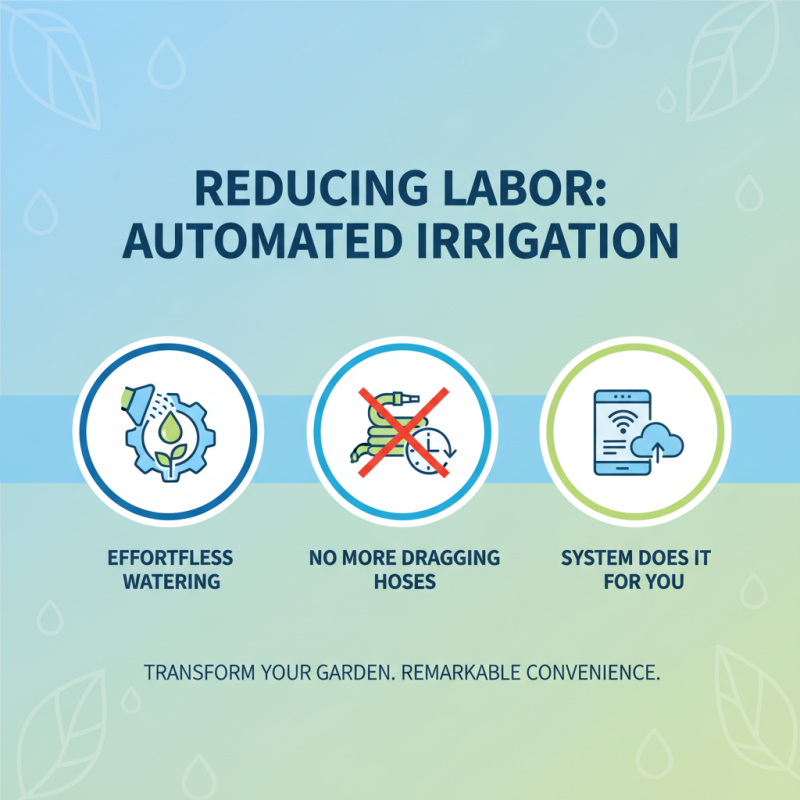
With the Abs Sprinkler, watering becomes effortless. It saves time and ensures that plants receive adequate moisture. This enhances growth, prevents over-watering, and promotes stronger roots. Gardeners can experience more consistency in their watering routines. However, not all gardeners maximize its potential. Understanding the unit’s features is crucial for optimal results.
Whether you are a seasoned gardener or just starting, the Abs Sprinkler can elevate your gardening game. Its efficiency can lead to better yields and healthier plants. The increased control over watering schedules helps to tackle common garden challenges. While not perfect, and sometimes prone to gaps in coverage, the Abs Sprinkler remains a reliable choice for nurturing your garden. Emphasizing the need for regular maintenance can help avoid these issues and enhance your gardening success.
Understanding Abs Sprinklers and Their Functionality
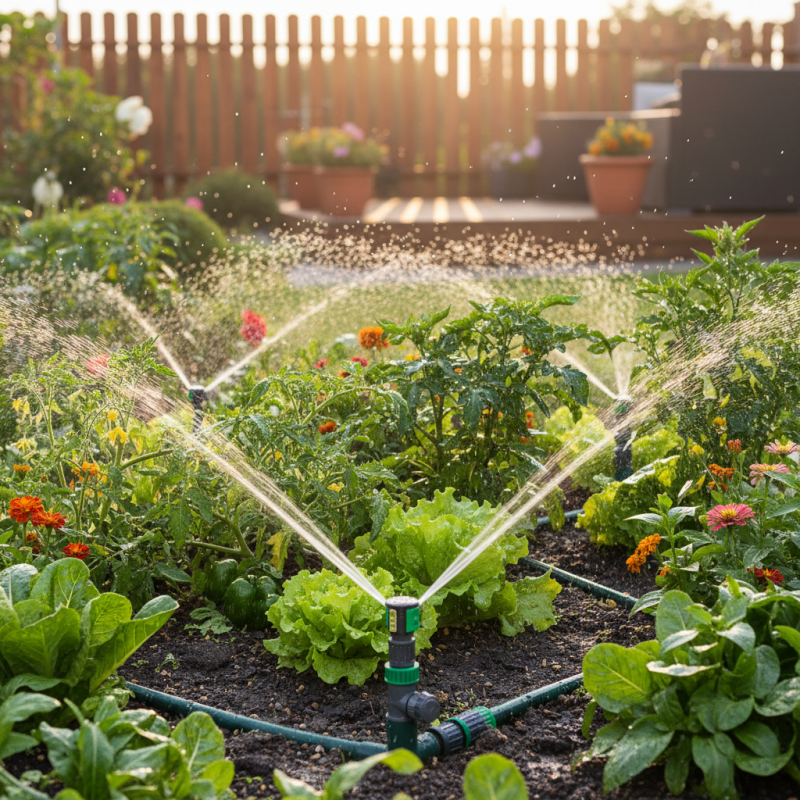
Understanding ABS sprinklers is pivotal for enhancing your home garden's health. They are designed to deliver water efficiently, helping maintain optimal soil moisture. Research shows that proper irrigation can increase plant growth by 30% to 50%. This technology is a game-changer for gardeners seeking sustainability.
ABS sprinklers use durable materials resistant to weather damage. They offer versatility, tailoring water distribution to fit various garden sizes. A study from the American Society of Agricultural and Biological Engineers indicates that addressing water needs accurately is essential. Over-watering can lead to root rot, while under-watering can stunt growth. Striking the right balance is crucial for a thriving garden.
However, even experienced gardeners can overlook maintenance. Clogged nozzles can reduce effectiveness. Regular checks can prevent potential issues. Additionally, understanding your garden's specific needs helps refine your watering strategy. It’s easy to assume uniform watering suffices. But every garden has unique requirements based on soil type and plant species.
Enhancing Water Efficiency with Abs Sprinkler Systems
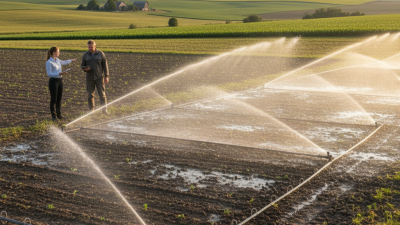
Efficient water usage is critical for any home garden. ABS sprinkler systems excel at enhancing water efficiency. Unlike traditional sprinklers, these systems deliver targeted watering. This reduces water waste and ensures plants receive adequate hydration. According to a 2022 industry report, smart irrigation systems can save up to 50% on water usage. This not only conserves resources but also cuts costs on water bills.
Furthermore, ABS sprinklers adapt to specific garden needs. They can adjust flow rates based on weather conditions. This technology helps prevent overwatering during rainy periods. A study by the Irrigation Association noted that efficient systems can lead to a 30% increase in garden yield. Many gardeners struggle with inconsistent watering, yet an ABS system provides a reliable solution.
Still, the initial setup can be challenging. Installation may require professional assistance. Gardeners might overlook maintenance, which is crucial for optimal performance. Delayed responses to issues can hinder water efficiency. Overall, while ABS sprinkler systems have impressive benefits, they demand careful planning and ongoing attention to maximize their potential.
Top 10 Abs Sprinkler Benefits for Your Home Garden Success
Promoting Soil Health through Even Water Distribution
Even water distribution is vital for a thriving home garden. Uneven watering can lead to soil degradation. When some areas receive too much water, while others remain dry, it negatively affects plant health. This inconsistency can result in poor nutrient uptake, ultimately reducing yield.
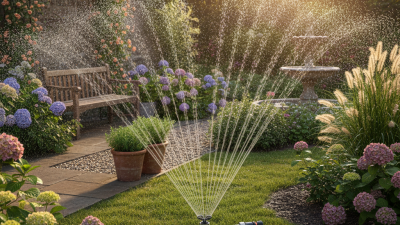
Using an abs sprinkler allows you to promote better soil health. The design ensures water reaches every corner of your garden. This even distribution encourages root growth. Healthy roots are essential for accessing nutrients and moisture deep in the soil.
Moreover, properly watered soil fosters beneficial microorganisms. These tiny organisms break down organic matter, enriching the soil. When soil is healthy, plants thrive, producing vibrant flowers and robust vegetables. Skipping this step can lead to frustration in garden maintenance. It's crucial to reflect on your watering techniques regularly. Are you providing adequate moisture? Addressing these issues can enhance your garden's potential significantly.
Increasing Plant Growth and Garden Aesthetics with Optimal Hydration
Optimizing hydration is key for any home garden.
An efficient sprinkler system can dramatically increase plant growth.
When plants receive a consistent water supply, they thrive. This leads to healthier foliage, vibrant flowers, and
bountiful harvests. Visual appeal rises as garden aesthetics improve. Lush greenery attracts the eye, creating a
serene environment for relaxation.
In many cases, garden owners underestimate the impact of staying hydrated. With irregular watering, plants may struggle.
Browning leaves and stunted growth are common signs of stress.
An effective sprinkler arrangement helps mitigate these issues. It ensures even water distribution. This is crucial
for promoting robust root systems.
Watering schedules should be adjusted seasonally. Factors like rain and evaporation rates must be considered. Sometimes,
gardeners find themselves over-watering to compensate for dry spells. This can lead to root rot or other complications.
Observing plant responses allows for refined watering practices. Accurate assessments lead to thriving gardens
and improved beauty.