Top Garden Watering Tools for Effortless Plant Care and Maintenance?
Caring for your garden requires the right tools. The right Garden Watering Tools can make the difference. They simplify the watering process and save time.
Choosing efficient watering tools is vital. A watering can may suffice for small plants. However, for larger gardens, consider a hose with adjustable nozzles. These tools save effort and ensure each plant gets the care it needs.
Reflecting on tool choices is essential. Many gardeners underestimate the impact of quality. Investing in good tools enhances the gardening experience. Sometimes, even the most seasoned gardeners overlook the basics, leading to frustrations. This guide will explore top Garden Watering Tools that elevate plant care to new heights.
Top Garden Watering Tools: Overview of Essential Equipment
Effective plant care starts with the right watering tools.
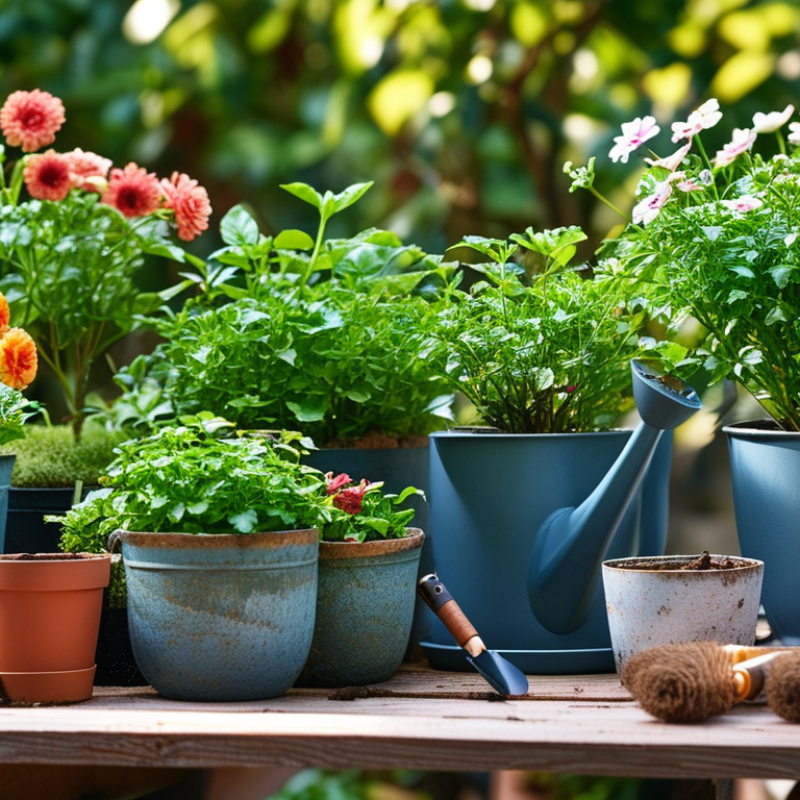
Selecting essential equipment can transform your gardening experience. A versatile watering can helps manage indoor and outdoor plants.
Its spout enables precise watering, ensuring each plant receives adequate moisture. Choose a robust design that balances capacity and ease of use.
A garden hose is another must-have. Look for one with adjustable nozzles for various watering needs.
A simple twist can switch from a gentle spray to a strong stream. This adaptability makes it easy to water delicate seedlings or hydrate established shrubs.
Ensure the hose is lightweight for comfortable handling.
Drip irrigation systems offer efficiency too. They deliver water directly to the plant's roots, minimizing waste.
Setting up a system may seem daunting at first. Yet, with practice, it can be a rewarding endeavor.
Regular checks are vital to prevent clogs. These tools collectively simplify your watering routine, enhancing the health of your garden.
Understanding Different Types of Watering Tools for Plant Care
When it comes to plant care, choosing the right watering tools is essential. Various tools serve different purposes, making life easier for garden enthusiasts. For instance, a simple watering can can efficiently deliver water to potted plants without creating a mess. Its spout allows for precise watering, ensuring that each plant receives just the right amount of moisture.
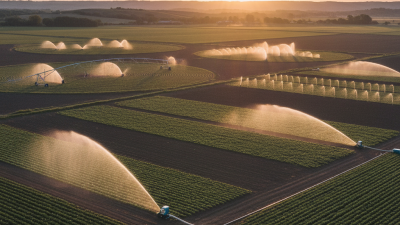
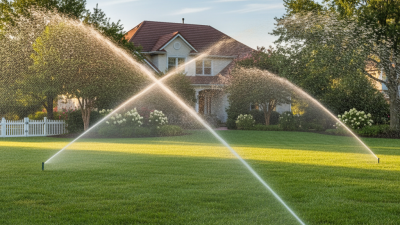
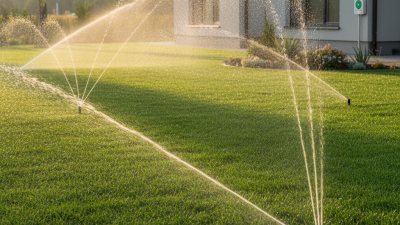
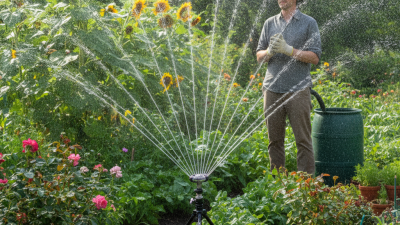
Hoses, on the other hand, are ideal for larger gardens. They cover more ground quickly but can sometimes be cumbersome. A good quality hose can be a game changer, yet it requires regular maintenance to prevent leaks and kinks. Sprinklers provide an automated watering solution, perfect for busy gardeners. They can be set on timers, but adjusting their range can be tricky and may waste water if not calibrated correctly.
Drip irrigation systems are effective for conserving water and targeting specific plants. However, setting them up can be a daunting task, and issues like clogging can arise unexpectedly. Each tool has its strengths and weaknesses. Understanding these can lead to better plant care but requires regular adjustments and reflections on your gardening approach.
Key Features to Consider for Efficient Watering Systems
When selecting effective garden watering tools, consider key features for an efficient watering system. One critical aspect is the water pressure regulation. According to a study by the American Society of Landscape Architects, optimal pressure can save up to 50% of water. Gardeners should look for tools that allow easy adjustments based on different plant needs.
Another vital feature is the type of nozzle or sprinkler. A survey from the Irrigation Association reveals that rotating nozzles can reduce water usage by 30%. These nozzles provide a fine mist, which reduces runoff and encourages deeper soil penetration. However, some tools may not fit well with existing systems, leading to inefficient watering and excess waste.
Automation is an emerging trend in watering systems. Smart irrigation controllers can adjust watering schedules based on weather conditions. A report from the Environmental Protection Agency states homeowners can save approximately 20 gallons of water daily with such tools. Nevertheless, the initial investment can be a barrier for many. Understanding these features helps gardeners make informed choices for their plants while reflecting on broader environmental impacts.
Statistics on Water Use Efficiency with Modern Watering Tools
When it comes to garden care, efficient watering is crucial. Statistics show that modern watering tools can significantly improve water use efficiency. For example, drip irrigation systems deliver water directly to plant roots. This targeted approach can reduce water wastage by up to 50%. Studies reveal that homeowners using smart sprinkler systems can save hundreds of gallons per month. These devices automatically adjust to weather conditions, optimizing water use.
However, the effectiveness of these tools often depends on proper installation and maintenance. Many users overlook the importance of regular checks. Clogged emitters or misaligned sprinkler heads can lead to uneven watering. This not only wastes water but can also harm your plants. It’s essential to monitor your system’s performance regularly.
Embracing technology in gardening can yield great results. Yet, it’s vital to remain vigilant. Even the best tools require attention. Neglecting routine care can diminish their efficiency. Your watering tools should enhance your plant care routine, not complicate it. Investing time in understanding and optimizing your system will lead to healthier plants and reduced water consumption.
Comparative Analysis of Hand Watering Versus Automated Systems
When it comes to plant care, choosing between hand watering and automated systems is crucial. A study by the American Society of Horticultural Science states that hand watering allows for precise control over water application. This method enables gardeners to assess soil moisture levels directly. However, it can be labor-intensive and time-consuming, especially for larger gardens.
On the other hand, automated watering systems offer convenience and consistency. According to a report from the Irrigation Association, these systems can save up to 50% more water than hand watering. This is particularly crucial as drought conditions become more common. Yet, automated systems require an initial investment and maintenance. They may not perfectly address the specific needs of every plant. A gardener might still need to monitor their plants regularly.
There is no one-size-fits-all approach. Some gardeners still prefer the tactile experience of hand watering. They relish the connection with their plants. Others might lean toward the efficiency of automation. Striking the right balance remains a challenge for many. Each method has its merits and drawbacks, making personal preference a deciding factor in plant care. Understanding the context of your garden can guide the best choice.