


How can you choose the right garden sprinkler for your yard in 2025
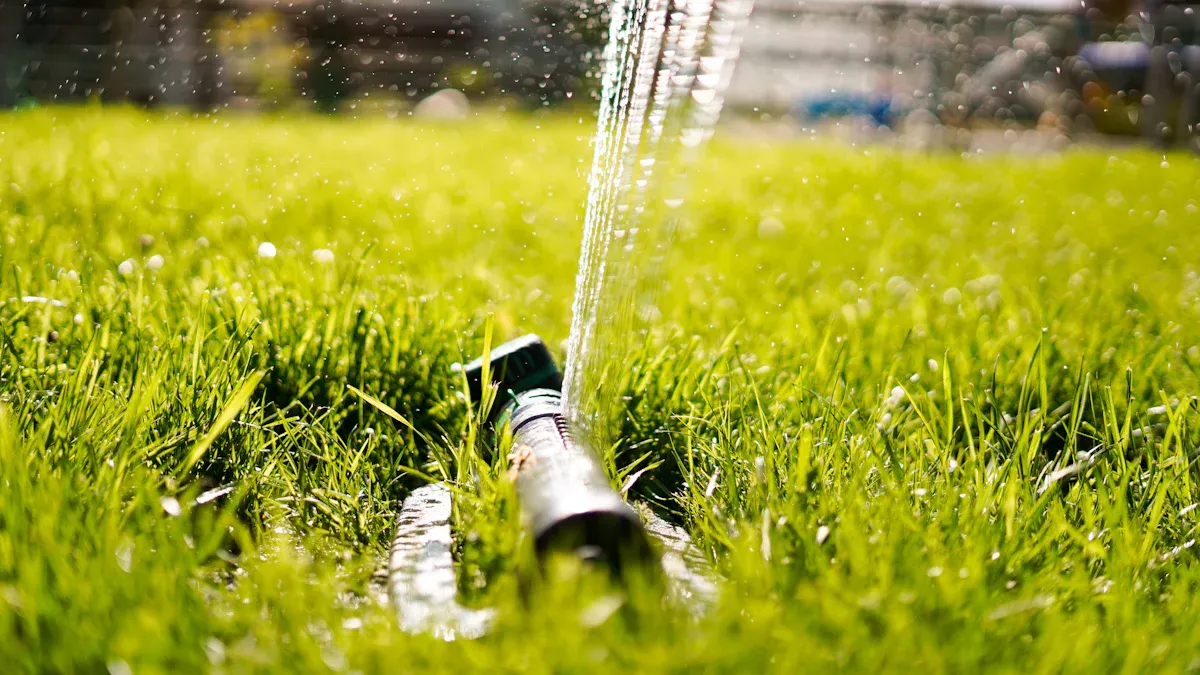
A garden sprinkler that matches the yard’s needs can make a big difference. People often see a 40% drop in summer water bills when they switch to an automatic watering system like drip irrigation. A rotating sprinkler or irrigation sprinkler helps save water and keeps the water lawn sprinkler job simple.
Key Takeaways
- Choose a garden sprinkler that fits your yard’s size and shape to save water and keep your lawn healthy.
- Check your water pressure and soil type before buying to ensure efficient watering and avoid waste.
- Consider your budget and lawn’s age to pick a sprinkler system that saves money and meets your watering needs.
Garden Sprinkler Types Compared
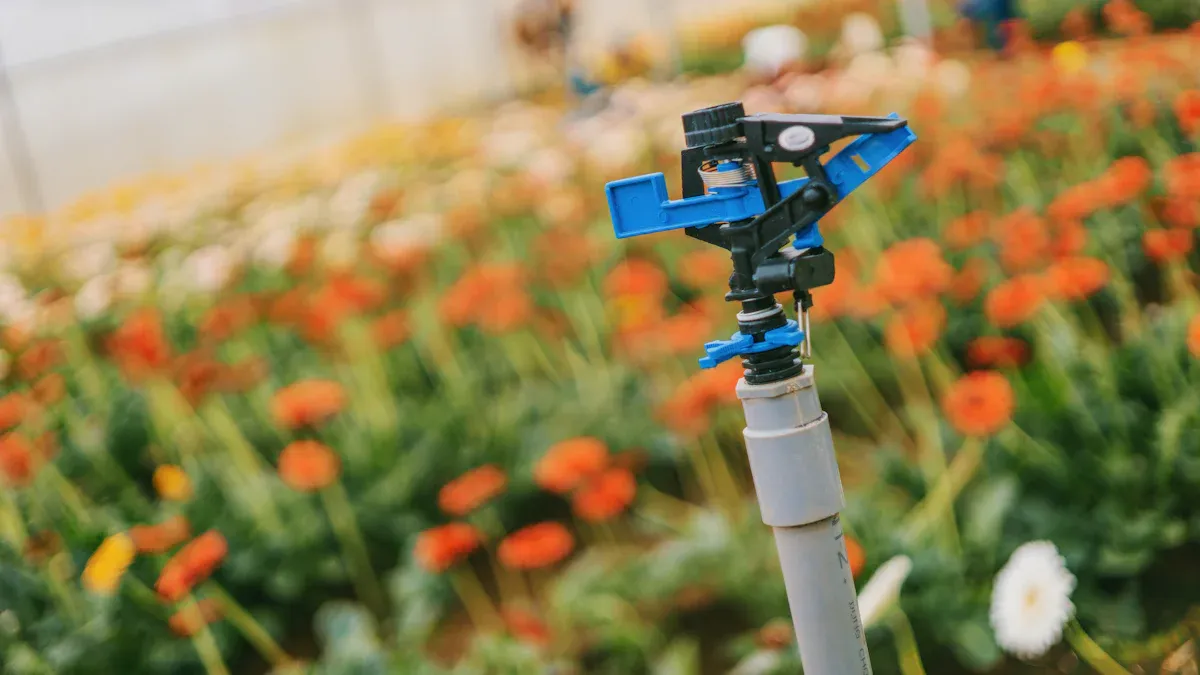
Choosing the right garden sprinkler starts with understanding the main types. Each one works best for certain yard shapes and sizes. Here’s a quick look at how they compare:
| Sprinkler Type | Coverage Area | Water Distribution Pattern | Suitability / Notes |
|---|---|---|---|
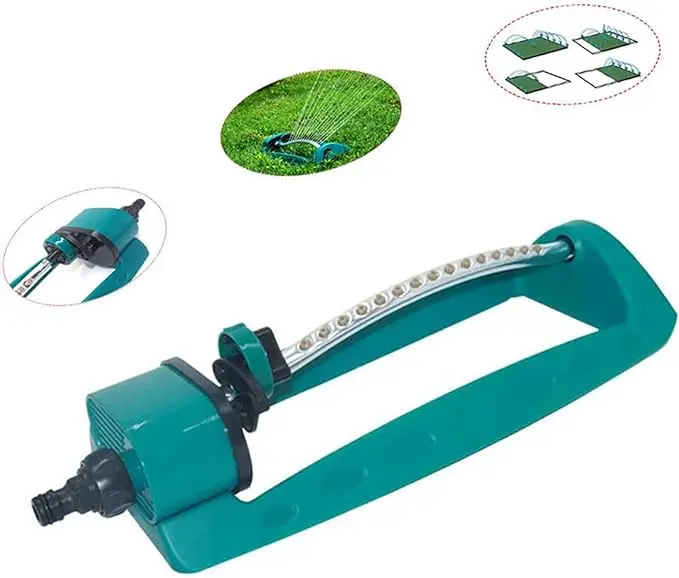
| Oscillating | Medium to large rectangular | Rectangular spray via moving tube with multiple nozzles; very even coverage | Adjustable, versatile for rectangular lawns |
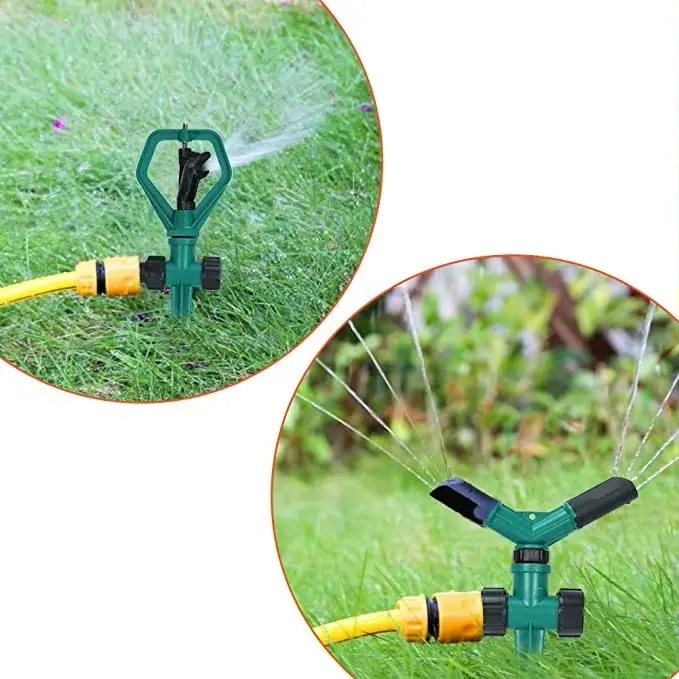
| Rotary (Rotating) | Medium to large circular areas | Circular or semicircular spray via 2-4 rotating arms; efficient coverage | Adjustable spray distance and area; good for large lawns |
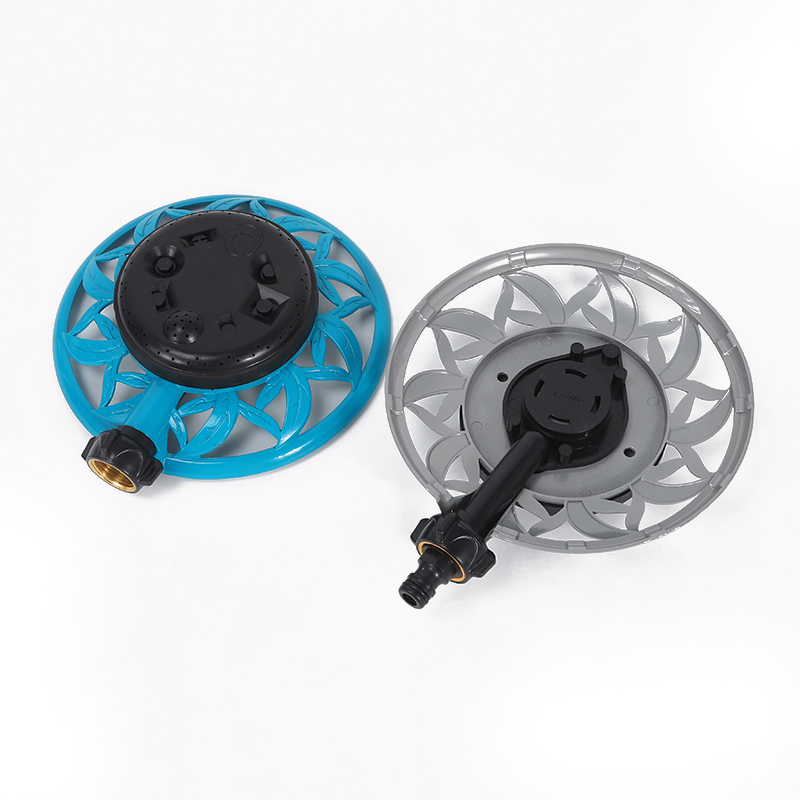
| Stationary | Small areas | Fixed coverage pattern; no moving parts | Best for small lawns, flower beds, spot irrigation |
| Traveling | Large uniform lawns | Moves automatically powered by water pressure; even distribution | Ideal for expansive lawns; no manual repositioning |
| In-ground Systems | Broad, customizable zones | Automated pop-up heads watering zones; efficient and minimal maintenance | Automated, professional installation required |
Oscillating Garden Sprinklers
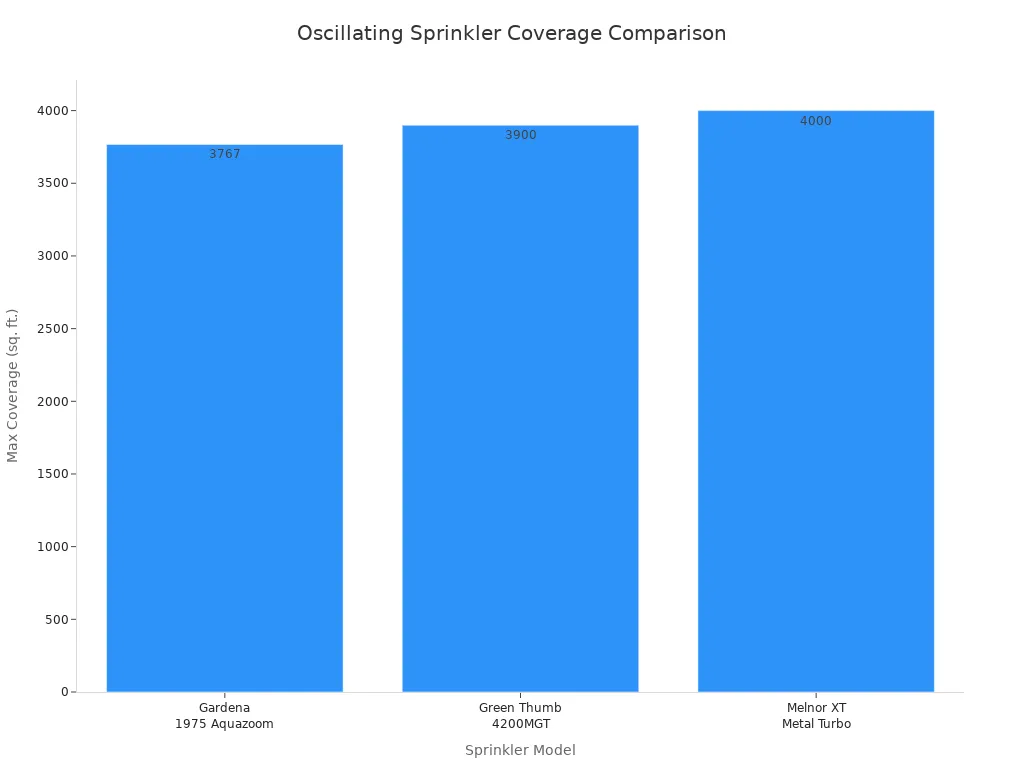
Oscillating Sprinklers work well for rectangular lawns. They spray water in a fan-like pattern, covering areas up to 4,973 square feet. Models like the Aqua Joe and Melnor XT Metal Turbo offer adjustable spray ranges and gentle watering. This pattern helps soil absorb moisture and protects new grass seeds. Homeowners like oscillating sprinklers for their even coverage and easy setup. However, wind can disrupt the spray, and low water pressure may reduce coverage.
Rotary Garden Sprinklers
Rotary sprinklers use spinning arms to create a circular spray. They suit large, open lawns and gardens. These sprinklers provide even coverage in circular patterns, but may miss corners in square or rectangular yards. Rotary models are popular for their water-saving features and fast growth in the market. Many homeowners choose rotary sprinklers for their efficiency and adjustable spray distance.
Stationary Garden Sprinklers
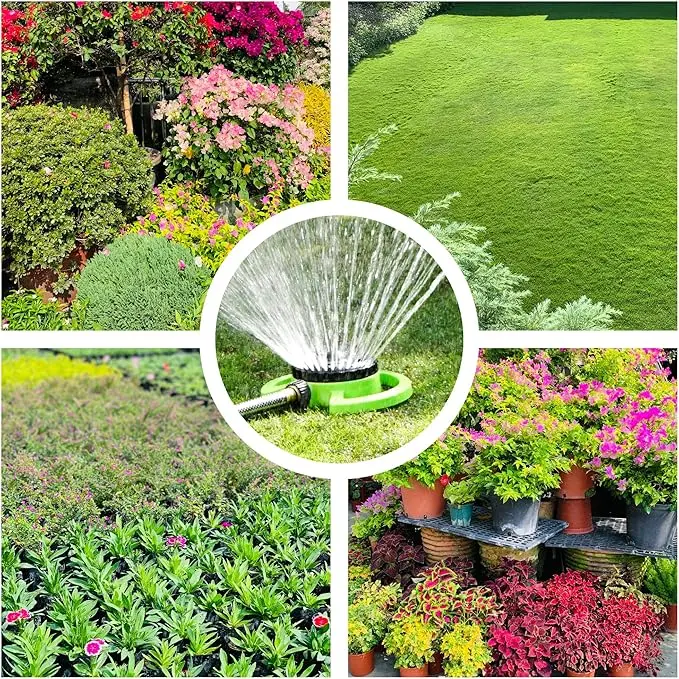
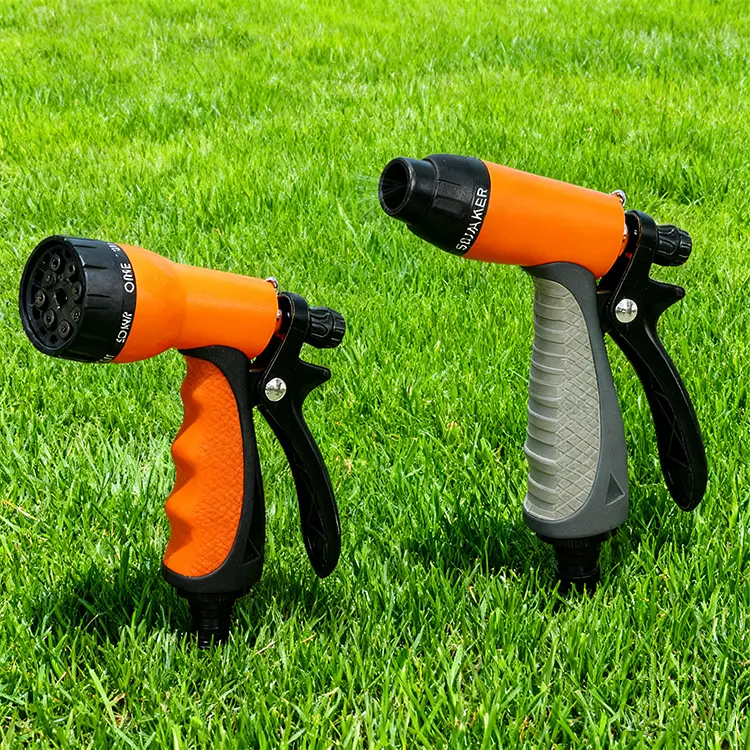
Stationary sprinklers stay in one spot and cover small or oddly shaped areas. They cost between $8 and $30, making them affordable for most people. These sprinklers work well at low water pressure and offer multiple spray patterns. Their simple design means fewer breakdowns and easy maintenance. People use stationary sprinklers for flower beds, spot watering, and small lawns.
Traveling Garden Sprinklers
Traveling sprinklers move along the lawn, powered by water pressure. They cover large areas without manual repositioning. Some models, like the MR58RL, can water up to 25 acres in two passes. These sprinklers suit big, uniform lawns and save time for busy homeowners. The moving design ensures even water distribution across wide spaces.
In-Ground Garden Sprinkler Systems
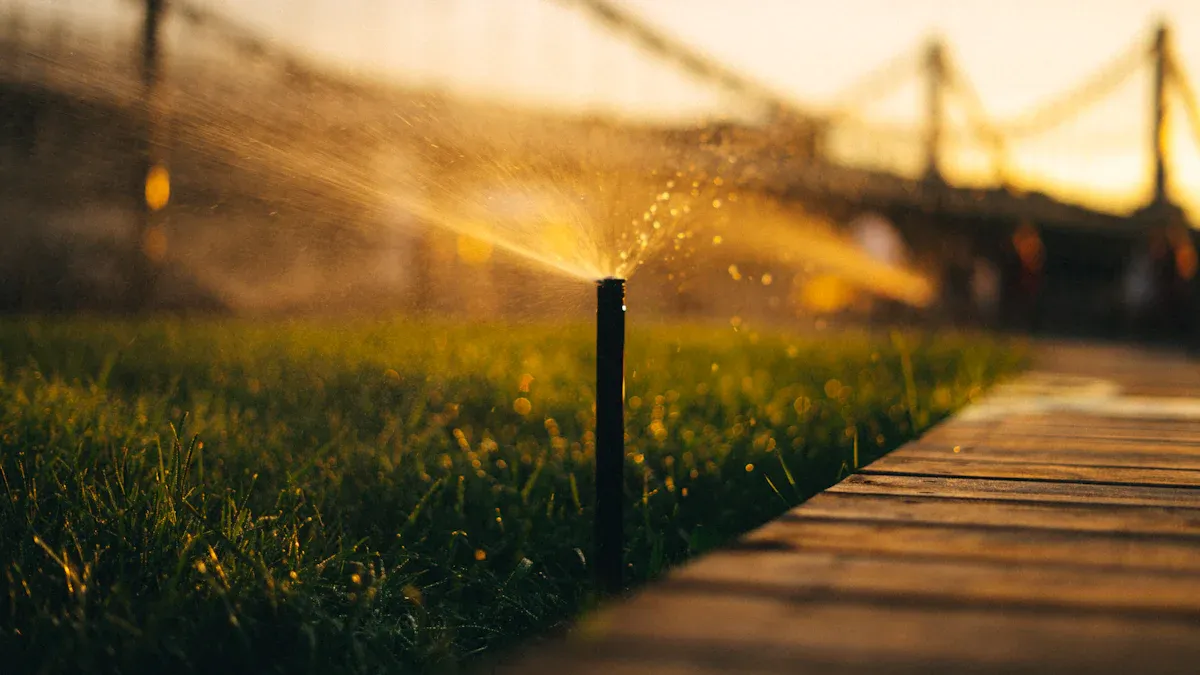
In-ground systems use pop-up heads to water different zones automatically. They offer precise control and reduce water waste. Installation costs range from $1,638 to $3,580 for a typical yard. These systems last over 20 years with good care. In-ground sprinklers work best for people who want a neat look and efficient watering. They help lower water bills and keep lawns healthy.
Key Factors for Choosing a Garden Sprinkler
Yard Size and Shape
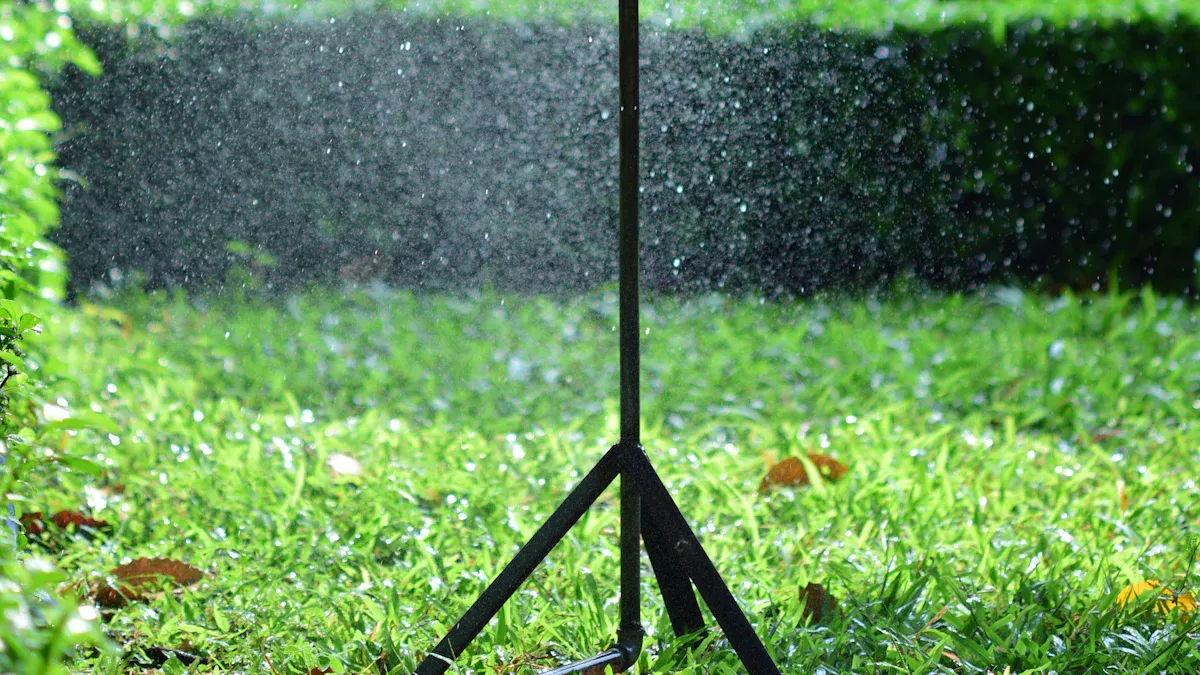
Yard size and shape play a big role in picking the right Garden Sprinkler. Small yards or gardens work well with hose-end sprinklers or fixed spray heads. These types cover small areas without wasting water. Larger yards need sprinklers with longer throw distances, like rotor heads or in-ground systems. These options reach wide or odd-shaped spaces and help keep coverage even. People with garden beds often use drip irrigation to target water right where plants need it.
- Hose-end sprinklers fit small yards or spots that need extra water.
- In-ground sprinkler systems suit bigger yards and offer automated watering.
- Sprinkler heads come in different spray patterns and throw distances, so homeowners can match them to their yard’s shape.
- Fixed spray heads work best for small or rectangular lawns, flower beds, and shrubs.
- Rotor heads or Impact Sprinklers cover large or irregular lawns and sports fields.
- Drip irrigation is perfect for garden beds and areas needing precise watering.
Water Pressure and Flow Rate
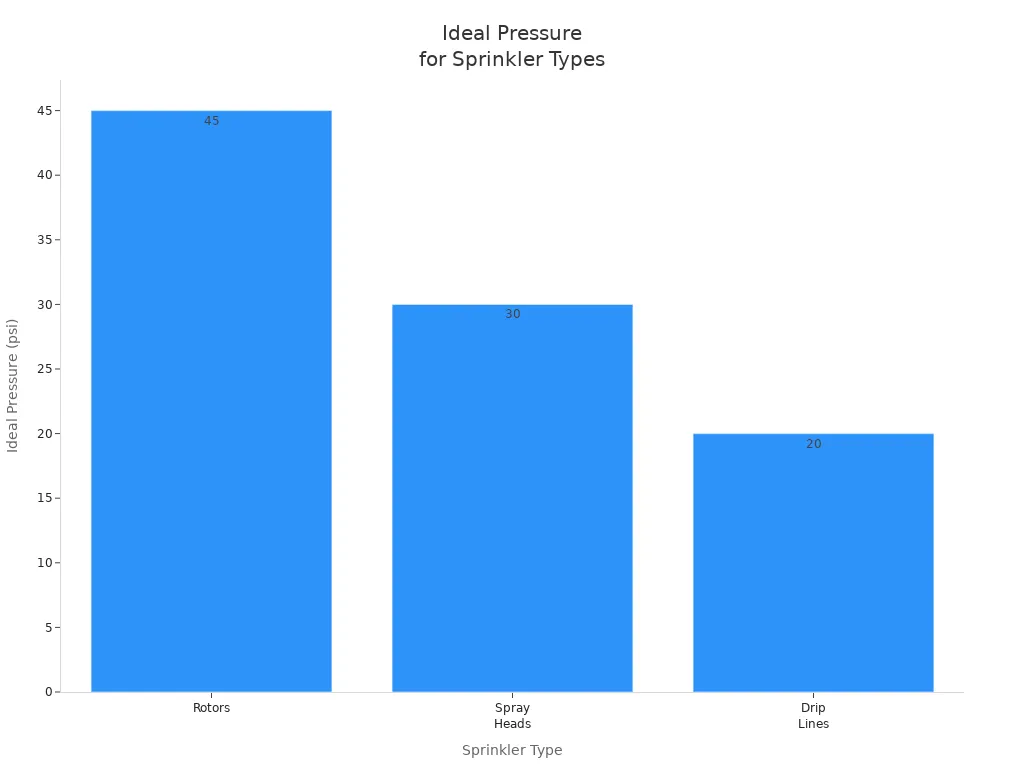
Water pressure and flow rate affect how well a garden sprinkler works. Each sprinkler type needs a certain pressure to run smoothly. If the pressure is too low, coverage drops and heads may not pop up. High pressure can cause misting and waste water. The flow rate, measured in gallons per minute, also matters. Longer hoses and higher flow rates increase friction loss, which lowers pressure at the sprinkler. Elevation changes in the yard can make pressure go up or down.
| Sprinkler Type | Operating Pressure Range (psi) | Ideal Operating Pressure (psi) | Effects of Low Pressure | Effects of High Pressure |
|---|---|---|---|---|
| Rotors | 25 - 65 | 45 | Reduced coverage, heads may not pop up | Mist formation, reduced uniformity |
| Spray Heads | 15 - 30 | 30 | Reduced radius, uneven watering | Fine mist, water loss due to evaporation |
| Drip Lines | 15 - 30 | 20 | Inefficient watering | Damage to emitters |
- Water flow rate affects friction loss in hoses, which lowers pressure.
- Longer hoses and higher flow rates need bigger hose diameters to keep pressure steady.
- Impact sprinklers need enough pressure and flow to rotate and spread water.
- The pump’s flow rate and pressure decide if the sprinkler will work well.
Soil Type and Drainage
Soil type changes how water moves and stays in the ground. Clay soil holds water well but drains slowly. Sandy soil drains fast and needs more frequent watering. Loamy soil keeps moisture balanced and works with most sprinkler systems. Silty soil holds water like clay but drains better. Homeowners should match their garden sprinkler to their soil type for best results.
| Soil Type | Water Retention Characteristics | Impact on Garden Sprinkler Selection |
|---|---|---|
| Clay | Retains water best; drains slowly | Needs slow, steady watering like soaker hoses |
| Silty | Holds water, drains better than clay | Gentle coverage prevents surface sealing |
| Loamy | Balanced moisture retention | Works with adjustable nozzles and traditional sprinklers |
| Sandy | Drains quickly, holds little water | Frequent watering; drip irrigation recommended |
- Clay soils need amendments like organic matter or gypsum to improve drainage.
- Sandy soils do best with drip irrigation or soaker hoses to avoid runoff.
- Mulching helps keep moisture in both clay and sandy soils.
- Watering early morning or late evening reduces evaporation.
Climate and Weather
Climate and weather patterns in 2025 shape how people use garden sprinklers. Smart irrigation systems now use real-time weather data and soil moisture sensors. These systems adjust watering schedules to match plant needs and local climate. Homeowners save water and keep plants healthy by using adaptive sprinklers and controllers. Drought-resistant and native plants lower water demand and work well with efficient irrigation.
Microclimate mapping helps gardeners spot zones in their yard with different sun, wind, and moisture. Grouping plants with similar water needs in these zones makes irrigation more efficient. Flexible sprinkler systems let people adjust watering for changing weather and climate.
Tip: Smart irrigation controllers and rain sensors help prevent overwatering and save money.
Lawn Age and Condition
The age of a lawn changes how much water it needs. New lawns need frequent watering to keep soil moist for root growth. After a month, lawns become established and need less frequent but deeper watering. Overwatering young lawns can cause shallow roots and stress. Homeowners should pick a garden sprinkler that matches their lawn’s age and size.
- Young lawns need more frequent watering for root establishment.
- Established lawns do better with deep, less frequent watering.
- Warm-season grasses need water every 2 to 4 days.
- Cool-season grasses need water every other day in summer.
For new lawns, consistent and gentle watering is key. Sprinklers like the Orbit H2O-6 Spike Lawn Sprinkler offer adjustable spray and stable placement. Pairing with a digital hose-end timer allows short, frequent watering sessions. Positioning the sprinkler in the center and adjusting coverage prevents soggy spots.
Note: Watering early morning or late evening helps soil absorb moisture and lowers evaporation.
Budget and Cost
Budget matters when choosing a garden sprinkler. Small hose-end sprinklers cost less and work for small yards. In-ground systems cost more to install but save time and water in the long run. Pressure-regulated pop-up sprinklers and drip irrigation systems help save water, which lowers bills in drought-prone areas. Smart controllers and timers add upfront cost but offer savings through efficient watering.
- Pressure-regulated pop-up sprinklers can save up to 50% water.
- Drip irrigation systems deliver water with up to 70% efficiency.
- Smart irrigation controllers adjust schedules based on weather, preventing waste.
- Watering tips include early morning watering and cycle-and-soak methods.
People should balance upfront costs with long-term savings and pick features that fit their needs and budget.
The best garden sprinkler fits the yard’s size, shape, and climate. People should check soil, water pressure, and budget before buying. Regular maintenance keeps systems working well and saves water. Choosing a model that’s easy to install and adjust helps lawns stay healthy and green.
FAQ
What is the best sprinkler for a small yard?
A stationary sprinkler works well for small yards. It covers tight spaces and uses less water. Many people like its simple design and easy setup.
How often should someone water their lawn in summer?
Most lawns need water every two to three days in summer. Early morning watering helps grass stay healthy and saves water.
Can smart sprinklers really save money?
Yes! Smart sprinklers adjust watering based on weather. They help people avoid overwatering and lower water bills. Many homeowners see savings in just one season.