


How can you install rotating sprinklers for maximum efficiency in 2025?
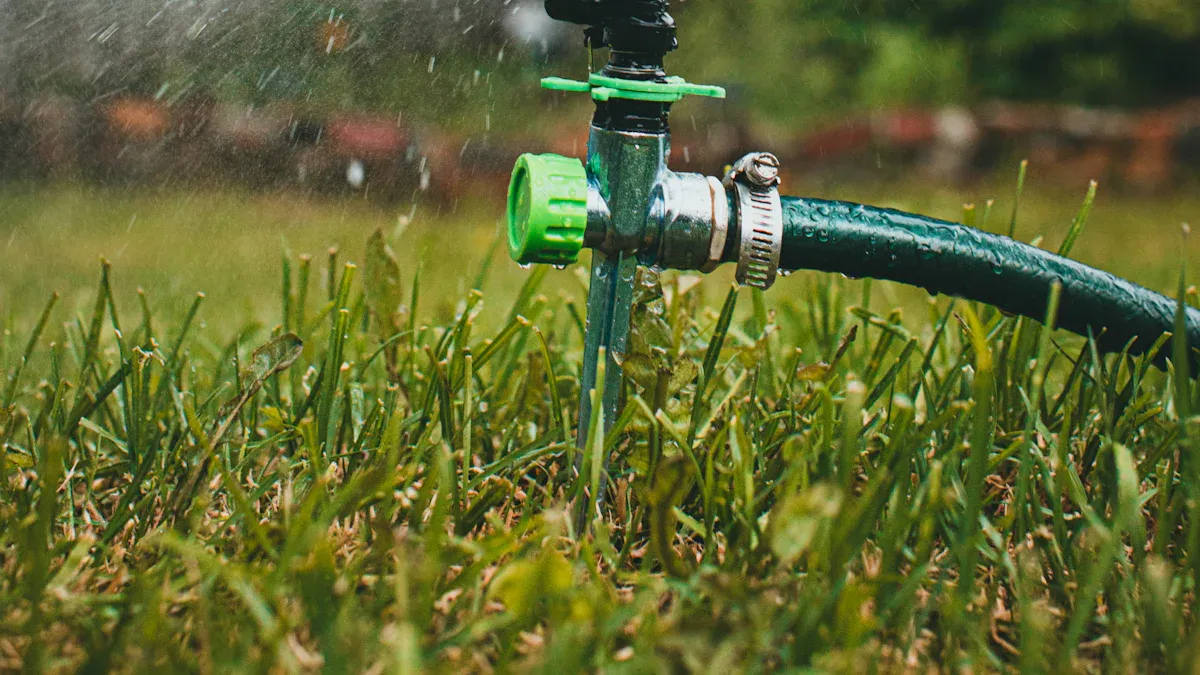
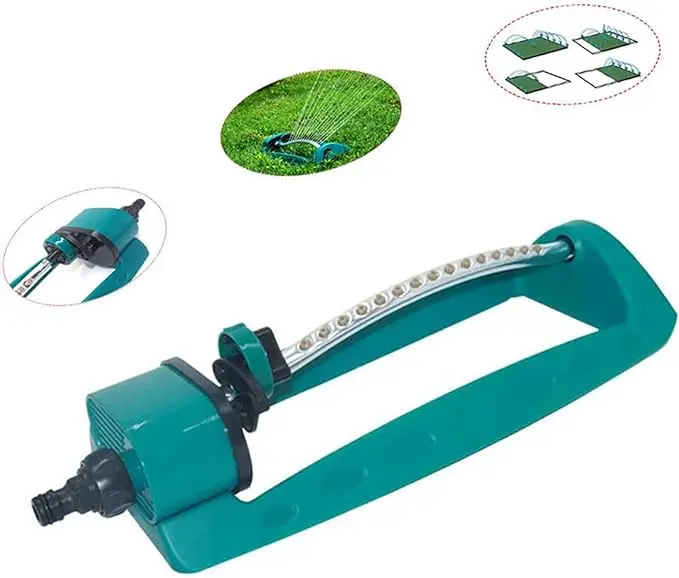
A rotating sprinkler can change how anyone waters their yard. Homeowners like the automatic sprinkler for its convenience. Some choose a water lawn sprinkler for even coverage. Others prefer an oscillating sprinkler or a rotating irrigation sprinkler to target tricky spots. Each tool helps keep grass healthy and green.
Key Takeaways
- Plan your sprinkler system carefully by measuring your yard, understanding soil and plant needs, and mapping zones for even water coverage.
- Choose efficient rotating sprinklers and nozzles that match your landscape, check water pressure, and space heads properly to avoid waste and dry spots.
- Use smart controllers, rain sensors, and regular maintenance to save water, keep your system working well, and ensure a healthy, green lawn.
Assess Your Landscape for Rotating Sprinkler Installation
Measure Area and Shape Accurately
Before anyone starts digging, they need to know the size and shape of their yard. A person can grab a tape measure and walk the edges. Some people use a measuring wheel for bigger spaces. Drawing a simple map helps keep track of measurements. This map shows where grass, flower beds, and trees sit. It also helps plan where each sprinkler will go.
Tip: Mark corners and curves on the map. This makes it easier to plan for even water coverage.
Identify Slope, Drainage, and Soil Type
Every yard has its own challenges. Some yards have hills, while others stay flat. Water moves faster down a slope and can pool at the bottom. Soil type matters, too. Clay holds water longer than sandy soil. To figure out what kind of soil is in the yard, many people do a simple test or hire a professional. They might dig a small hole and fill it with water to see how fast it drains.
- Professional soil testing shows what the soil is made of.
- Checking drainage patterns helps spot trouble areas.
- Knowing the soil and drainage helps pick the right sprinkler setup.
Evaluate Plant and Lawn Water Needs
Not all plants need the same amount of water. Some grass types love lots of moisture. Others, like succulents or native plants, need less. People should group plants with similar water needs together. This makes it easier to set up zones and avoid wasting water.
Note: Matching water zones to plant needs saves money and keeps plants healthy.
Select the Best Rotating Sprinkler Models and Nozzles
Compare Rotating Sprinkler Features and Brands
Choosing the right Rotating Sprinkler can make a big difference in water savings. Some brands stand out for their smart features and high efficiency. In 2025, several models lead the way in water conservation. The table below shows how top sprinklers compare:
| Sprinkler Model | Water Efficiency Rating | Key Features Supporting Water Efficiency |
|---|---|---|
| Hunter PGP ADJ 4" Pop-Up Rotor | Very High | Low water volume delivery, reduces runoff and waste |
| Toro RapidSet Rotor Sprinklers | High | Minimizes runoff, adjustable radius for precise coverage |
| Rain Bird 5000 Series Rotor | High | Uniform Rain Curtain™ technology for even water distribution |
| K Rain SuperPro™ Sprinkler Head | High | Built-in pressure regulation for even dispersion and low water waste |
| Orbit Impact Sprinkler on Tripod | Moderate | Potential overspray reduces water efficiency |
The Hunter PGP ADJ 4" Pop-Up Rotor gets the highest marks for saving water. Toro, Rain Bird, and K Rain also offer strong performance with features that help prevent waste.
Match Sprinkler Types to Landscape Zones
Every yard has different needs. Some areas have grass, while others have flower beds or shrubs. Homeowners should match the sprinkler type to each zone. Pop-up rotors work well for lawns. Shrub zones may need smaller heads or adjustable nozzles. This approach helps each plant get the right amount of water.
Tip: Grouping similar plants together in one zone makes it easier to set up the best watering schedule.
Consider Water Pressure and Flow Rate
Water pressure and flow rate affect how well a rotating sprinkler works. High pressure can cause misting and waste. Low pressure may not reach all areas. Many new sprinkler heads have built-in pressure regulation. This feature keeps water flow steady and helps avoid dry spots or puddles. Homeowners should check their water supply before choosing a model. Picking the right nozzle size also helps balance coverage and efficiency.
Design Rotating Sprinkler Zones and Layout
Plan for Even Coverage and Head-to-Head Spacing
A good sprinkler system starts with smart planning. Homeowners should map out their yard, marking where grass, flower beds, and trees grow. They can use this map to decide where each sprinkler head will go. Experts suggest placing 5 to 10 sprinkler heads in each zone, depending on the size of the lawn and the reach of each head. The heads should be spaced so that the spray from one reaches the next—this is called head-to-head spacing. This overlap helps water every spot evenly. If the heads sit too far apart, dry patches can appear. Too close, and water gets wasted.
Tip: Head-to-head spacing means each sprinkler’s spray just touches the next. This keeps water coverage even across the whole yard.
Avoid Overlap, Gaps, and Overspray
Water waste often happens when sprinklers spray sidewalks or driveways. Homeowners can avoid this by choosing the right nozzles and making sure each head pops up high enough to clear the grass. Using matched precipitation nozzles helps every area get the same amount of water. It is best to skip sprinklers on narrow strips or steep slopes, since these spots are hard to water without runoff. Micro-irrigation works better for flower beds or shrubs.
| Best Practice | Why It Matters |
|---|---|
| Use matched precipitation nozzles | Prevents overwatering and dry spots |
| Choose 4-inch or taller pop-ups | Clears grass for even spray |
| Avoid narrow strips and steep slopes | Reduces runoff and overspray |
Account for Sun, Shade, and Wind Patterns
Wind can blow water off course, so homeowners should pick nozzles that make bigger droplets and use lower spray angles in windy spots. Rotary nozzles work well for large, open areas and help keep water where it belongs. Sun and shade can change how much water plants need, so grouping sunny and shady areas into separate zones makes watering easier.
Install Mainlines, Laterals, and Rotating Sprinkler Heads
Mark Layout with Stakes and String
He starts by marking the planned layout with stakes and string. This step helps everyone see where the mainlines and laterals will run. Stakes go at the corners and along straight lines. String connects the stakes, showing the path for pipes and the spots for each rotating sprinkler head. This visual guide makes digging easier and helps avoid mistakes. She checks for obstacles like trees, rocks, or garden beds before moving forward.
Tip: Marking the layout first prevents confusion and keeps the installation organized.
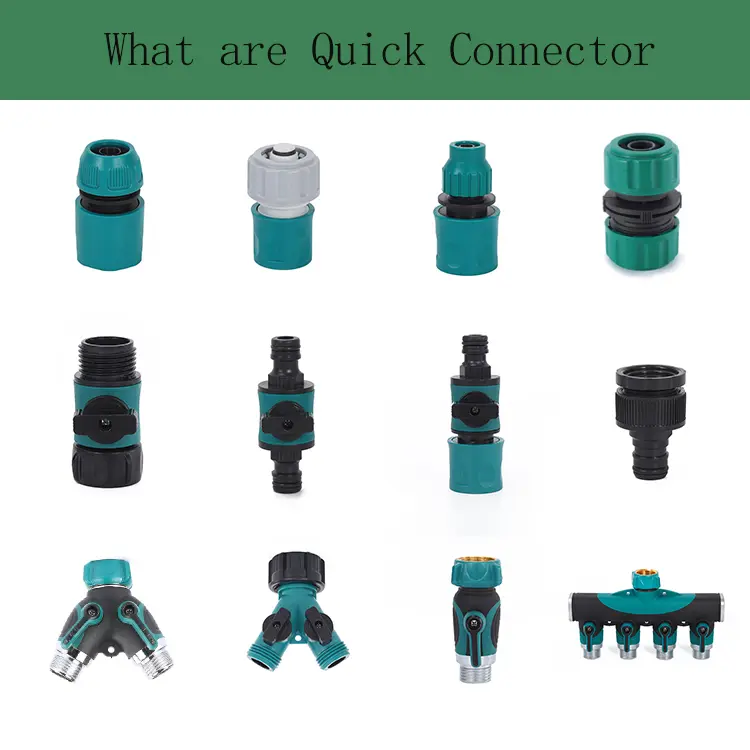
Lay Out Pipes and Use Barbed Connectors
They choose the right pipes for the job. Mainlines need to be strong and durable. Laterals should be flexible enough to reach every zone. The table below shows the best materials for each part of the system:
| Component | Recommended Material | Additional Details |
|---|---|---|
| Mainlines | Schedule 40 PVC pipe | Pipe must conform to ASTM D1785; fittings should be Schedule 80 PVC solvent weld fittings (ASTM D2467) |
| Laterals | Class 200 PVC pipe | Pipe must conform to ASTM D1785; flexible vinyl chloride pipe used for connections to sprinkler heads |
| Fittings (Mainlines) | Schedule 80 PVC solvent weld fittings | Must conform to ASTM D2467 standard |
| Connections to Sprinkler Heads | Flexible vinyl chloride pipe | Used from laterals to sprinkler heads |
| Color Coding | Purple non-potable color coding for all PVC pipes and fittings | Identification required for non-potable water systems |
He lays out the pipes along the marked string lines. Barbed connectors join the pipes and make tight seals. She checks that each connection fits snugly to prevent leaks. They avoid sharp bends and keep pipes straight to help water flow smoothly.
- Planning pipe layout based on property size and soil type helps water soak in and keeps pipes safe.
- Using high-quality pipes and connectors reduces leaks and makes the system last longer.
- Protecting exposed pipes with insulation keeps them safe from weather.
Space and Angle Rotating Sprinkler Heads Correctly
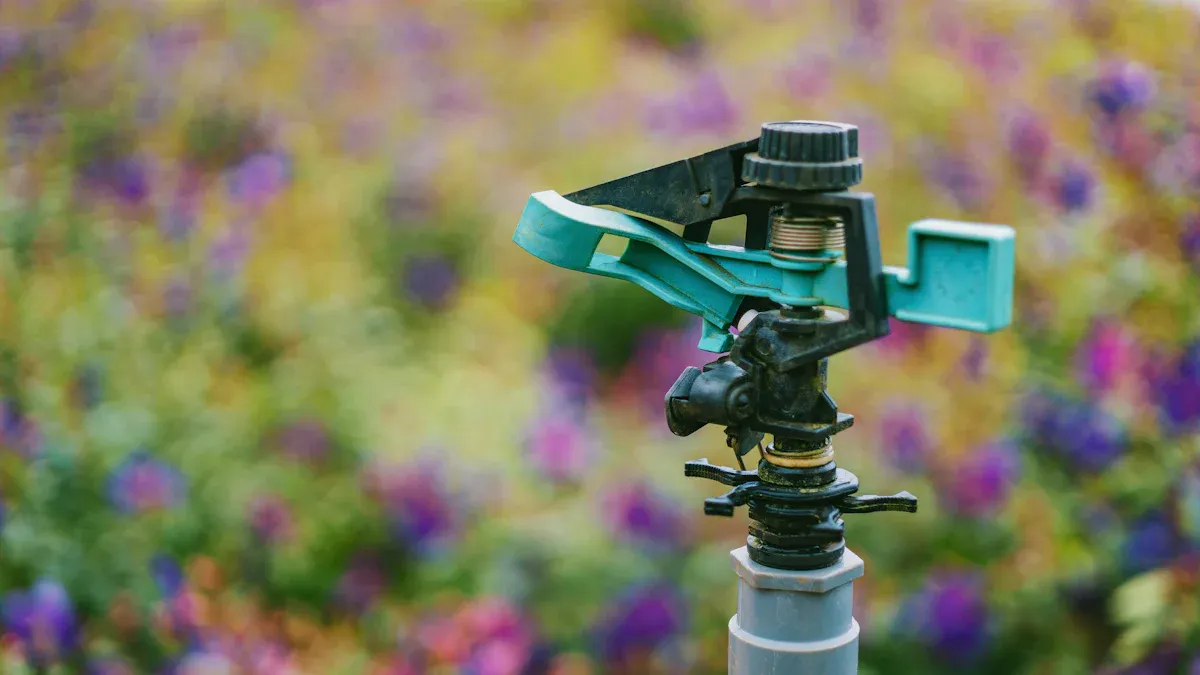
She spaces the rotating sprinkler heads for even coverage. Each head’s spray should reach the next head, creating head-to-head coverage. This overlap stops dry spots and keeps water spread out. Most rotor sprinklers cover between 18 and 55 feet, so he places heads within this range. He checks water pressure to make sure the spray reaches every spot. She angles each head so water lands only on grass and plants, not sidewalks or driveways.
Note: Uniform placement and proper spacing help every part of the yard get enough water.
Flush System Before Connecting Sprinklers
He flushes the pipes before attaching the sprinkler heads. This step removes dirt, sand, and small rocks from inside the pipes. She opens the main valve and lets water run through the system for a few minutes. Flushing keeps the sprinkler heads from clogging and helps the system work better.
- Flushing the system before connecting heads prevents clogs and damage.
- Regular cleaning keeps water flowing and protects the rotating sprinkler heads.
Secure and Test All Connections
She secures every pipe and connector. He checks each joint for leaks by turning on the water and watching for drips. They test the system zone by zone. She looks for even spray patterns and makes sure every head rotates smoothly. He fixes any leaks or loose fittings right away. They avoid common mistakes by following manufacturer instructions and checking each step:
- He maps the lawn and plans the piping layout to avoid inefficient watering.
- She tests soil drainage and matches sprinkler types to the yard.
- He installs pressure regulators to keep water flow steady.
- She spaces heads according to manufacturer guidelines and adjusts spray patterns.
- He places heads away from sidewalks and play areas for safety.
- She matches nozzle types and throwing distances for each zone.
- He installs filters and cleans them regularly.
- She adjusts heads to prevent overspray onto non-landscaped areas.
- He repairs leaks and protects heads from damage.
Alert: Testing every connection and fixing problems early keeps the system running smoothly and saves water.
Integrate Smart Controls and Pressure Regulation
Install Smart Controllers and Rain Sensors
Smart controllers have changed how people water their lawns. These devices connect to Wi-Fi and use weather data to decide when and how much to water. They help save water by skipping cycles when it rains or when the soil is already wet. Many homeowners like that smart controllers can:
- Prevent overwatering by checking weather, soil, and plant needs.
- Keep plants healthy by giving the right amount of water at the right time.
- Save time because the system runs on its own and can be controlled from anywhere.
- Lower water bills by using water only when needed.
- Send alerts if something goes wrong, like a broken pipe or sprinkler head.
A WaterSense labeled smart controller can save the average U.S. home 7,600 gallons of water each year. That is about 260 loads of laundry!
Rain sensors work with smart controllers. They stop the system from running during or after rain. This simple step keeps water from being wasted and helps plants stay healthy.
Add Pressure Regulators and Filters
Pressure regulators keep water pressure steady, usually between 30 and 45 psi. This helps every sprinkler head spray evenly. When water pressure is too high, sprinklers can waste water and even break. If pressure drops, some areas may not get enough water. Filters catch dirt and small debris before it reaches the sprinkler heads. Clean water keeps the system running smoothly and helps it last longer.
Set Up Remote Monitoring and App Controls
In 2025, most smart irrigation systems let users control everything from a phone or tablet. People can:
- Change watering schedules from anywhere.
- Check system status and get alerts about leaks or problems.
- Use real-time weather and soil data to adjust watering.
- Connect the system to other smart home devices.
These features help families save water, keep their yards green, and fix problems before they get worse.
Test and Adjust Rotating Sprinkler System
Check Spray Patterns and Rotation Start Points
Testing the spray pattern helps every yard get the right amount of water. He starts by turning on the irrigation system one zone at a time. She marks each sprinkler head and places catch cans in a grid across the zone. They put cans near each head and halfway between them. After running the sprinklers for a set time, they measure the water in each can. If some cans have more water than others, he knows which heads need adjustment. They repeat this process until every catch can shows even water depth. This method helps spot dry patches and areas with too much water.
Tip: Testing each zone separately makes it easier to find problems and fix them quickly.
Adjust Arc, Radius, and Head Angles
He uses a flathead screwdriver or adjustment tool to change the arc and radius. She finds the adjustment screw on the sprinkler head and turns it clockwise to make the spray narrower or counterclockwise for wider coverage. For the radius, he turns the screw in the center of the nozzle to change how far the water sprays. She rotates the turret to set the left stop, making sure the spray covers the right area. After each change, they watch the spray pattern to check for even coverage. Small adjustments help avoid overspray and keep water off sidewalks.
Fix Leaks, Low-Pressure Spots, and Dry Patches
Leaks and low pressure can ruin a rotating sprinkler system. He looks for wet spots, water geysers, or pooling around sprinkler heads. She checks the water meter for signs of leaks. They use a pressure gauge to test water pressure at each head. If the spray is weak or uneven, he cleans clogged heads and replaces damaged pipes. She repairs faulty valves and redistributes sprinkler heads to balance the zones. Regular inspections and cleaning help prevent future problems and keep the system working well.
Set Efficient Watering Schedules for Rotating Sprinklers
Program Schedules Based on Climate and Season
He sets up watering schedules that match the climate and season. The best strategy divides total watering time across several days, such as watering three times a week. This method helps water soak in and prevents runoff. She breaks long watering sessions into shorter cycles, like two rounds of six minutes instead of one long session. They reduce watering time by 30% to 40% if the goal is to keep plants alive rather than lush. Each month, he reviews the schedule and changes it to fit the weather. In summer, he increases watering. During cooler months, she cuts back. Many families use smart irrigation controllers with rain sensors to make these changes automatic.
Tip: Automated controllers let users set specific days and times for watering. Wi-Fi models make it easy to adjust schedules from anywhere.
Use Weather-Based and Soil Moisture Adjustments
Smart irrigation controllers use weather data and soil moisture sensors to decide when to water. These systems check if the soil is dry or if rain is coming. He trusts the controller to skip watering after a storm. She relies on soil moisture sensors to keep plants healthy without wasting water. A study in Northwest Arkansas showed that rain sensors cut water use by 22%, while soil moisture sensors saved over 66% in three years. These tools help families save money and protect the environment.
| Technology | Water Savings | Return on Investment (ROI) |
|---|---|---|
| Rain Sensors | 22.1% | 87% |
| Soil Moisture Sensors | 66.2% | 200% |
Prevent Overwatering, Runoff, and Water Waste
He avoids overwatering by setting the controller to water only the landscape, not sidewalks or driveways. She uses the cycle-and-soak method, dividing watering into short intervals with breaks. This lets water soak into the soil and stops runoff. They inspect sprinkler heads every month to fix leaks and clogs. He groups plants with similar water needs into zones for better efficiency. She adjusts schedules for shaded areas, which need less water. They always check for puddles or dry spots after watering.
Callout: Regular maintenance and smart scheduling keep water waste low and lawns healthy. 🌱
Maintain Your Rotating Sprinkler System
Clean Nozzles and Filters Regularly
He starts each season by flushing the irrigation system. This step removes dirt and debris that can block nozzles. She installs filters on every sprinkler line to keep out small particles. They check filters and nozzles at least twice a year, usually in spring and mid-summer. If water sprays unevenly or heads seem clogged, he cleans the nozzles with a soft brush and rinses them with water. She replaces filters that look worn or dirty. Regular cleaning helps the system run smoothly and keeps water flowing where it’s needed.
Tip: Flushing the system after winter and cleaning filters before summer can prevent most clogs.
Inspect for Leaks, Clogs, and Damaged Heads
They walk the yard every month, looking for puddles or dry spots. He checks each sprinkler head for cracks or misalignment. She tests water pressure with a gauge, aiming for 30 to 50 PSI. If she finds a leak or broken valve, she repairs or replaces it right away. He clears blocked heads by moving them away from rocks or plants. They also inspect rain sensors and backflow preventers to make sure everything works. Hiring a certified contractor for a summer audit can catch problems early.
- Monthly inspections help spot leaks and clogs fast.
- Fixing damaged heads keeps water from being wasted.
Adjust Sprinkler Heads as Plants Grow
As plants get taller, he raises or repositions sprinkler heads to clear new growth. She changes the spray distance and arc so water reaches the roots, not the patio. They add or move heads if the landscape changes. He checks spray patterns after trimming bushes or planting new flowers. She adjusts heads several times a year, especially after big changes in the yard. Regular adjustments keep water coverage even and prevent dry patches.
Callout: Adjusting sprinkler heads as plants grow helps avoid water waste and keeps every part of the yard healthy. 🌱
Efficient sprinkler installation in 2025 starts with smart planning and careful layout. He chooses the right sprinkler type for the soil and plants, then uses smart technology to adjust watering schedules. Regular maintenance keeps the system working well. For complex jobs, they contact licensed professionals who handle permits and offer expert help.
Tip: Smart systems and routine checkups save water, lower costs, and keep landscapes healthy.
FAQ
How often should someone clean rotating sprinkler heads?
He should check and clean sprinkler heads every few months. Dirt and debris can block water flow. Regular cleaning keeps the system working well.
Can rotating sprinklers work with low water pressure?
Yes, many rotating sprinklers work at lower pressures. She should choose models designed for low pressure and check the manufacturer’s recommendations.
What should a homeowner do if a sprinkler head stops rotating?
They should turn off the water, remove the head, and check for clogs. Cleaning or replacing the head usually solves the problem.