


How to Choose the Best Garden Sprinkler System for Your Lawn
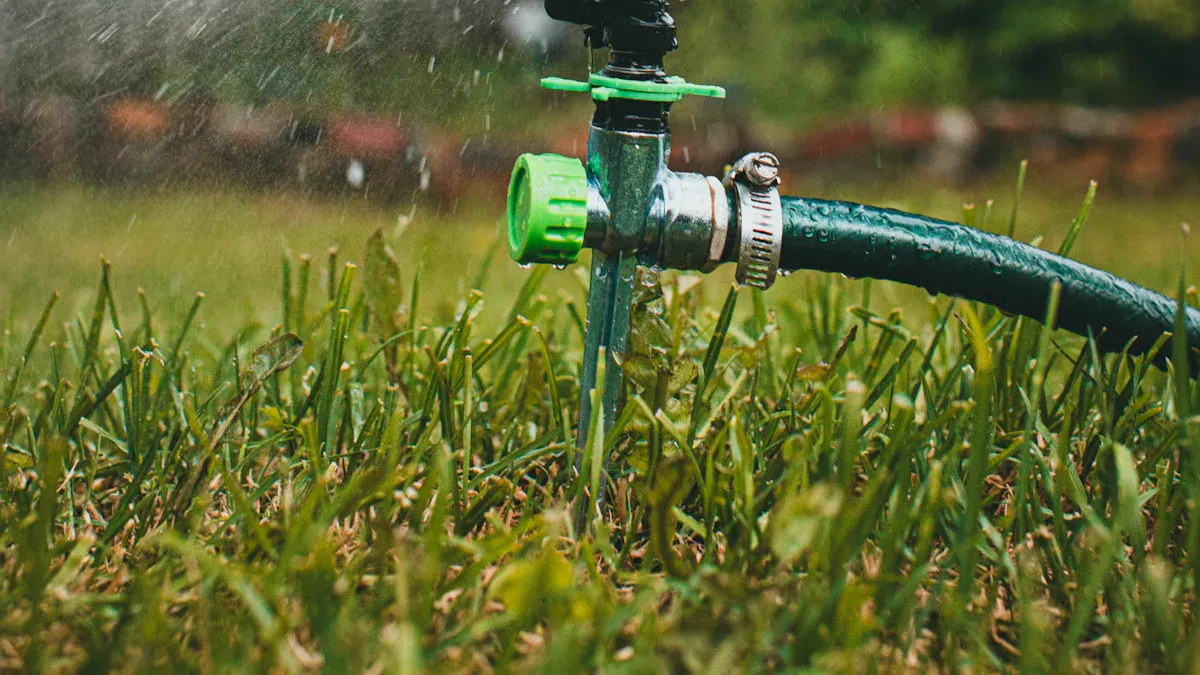
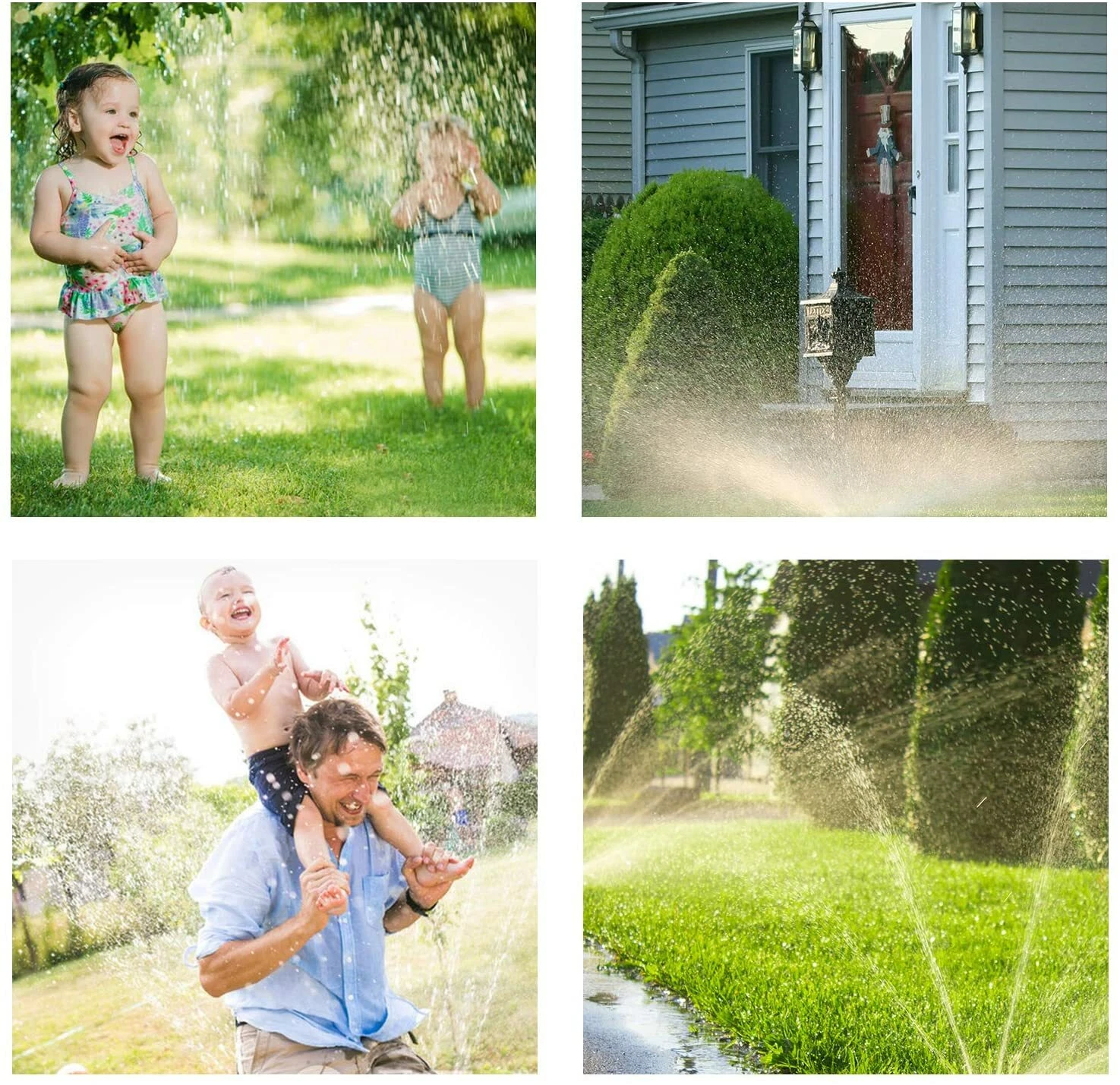
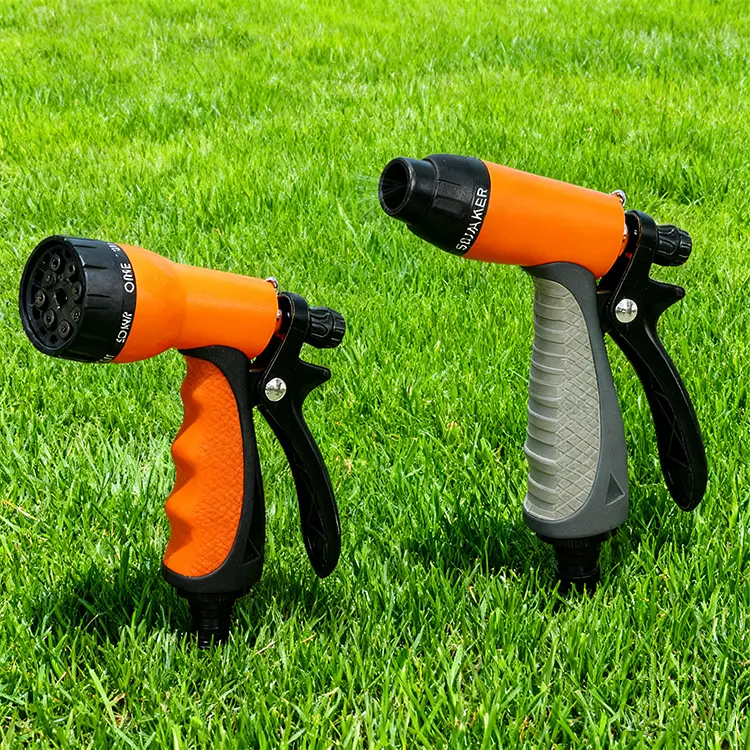
Choosing the right garden sprinkler can make a big difference. A well-designed irrigation sprinkler or spray gun helps save water and keeps plants healthy. Many people see a 20-30% drop in water use with a good system.
| System Type | Water Savings (%) |
|---|---|
| water lawn sprinkler | 20-30 |
| garden spray nozzle | Up to 30 |
Key Takeaways
- Measure your lawn size and shape carefully to choose sprinklers that fit well and avoid dry spots.
- Match sprinkler types to your plants, soil, and water pressure for efficient watering and healthy growth.
- Use features like timers, smart controls, and rain sensors to save water, lower bills, and protect your lawn.
Assessing Your Lawn for the Right Garden Sprinkler
Measuring Lawn Size and Shape
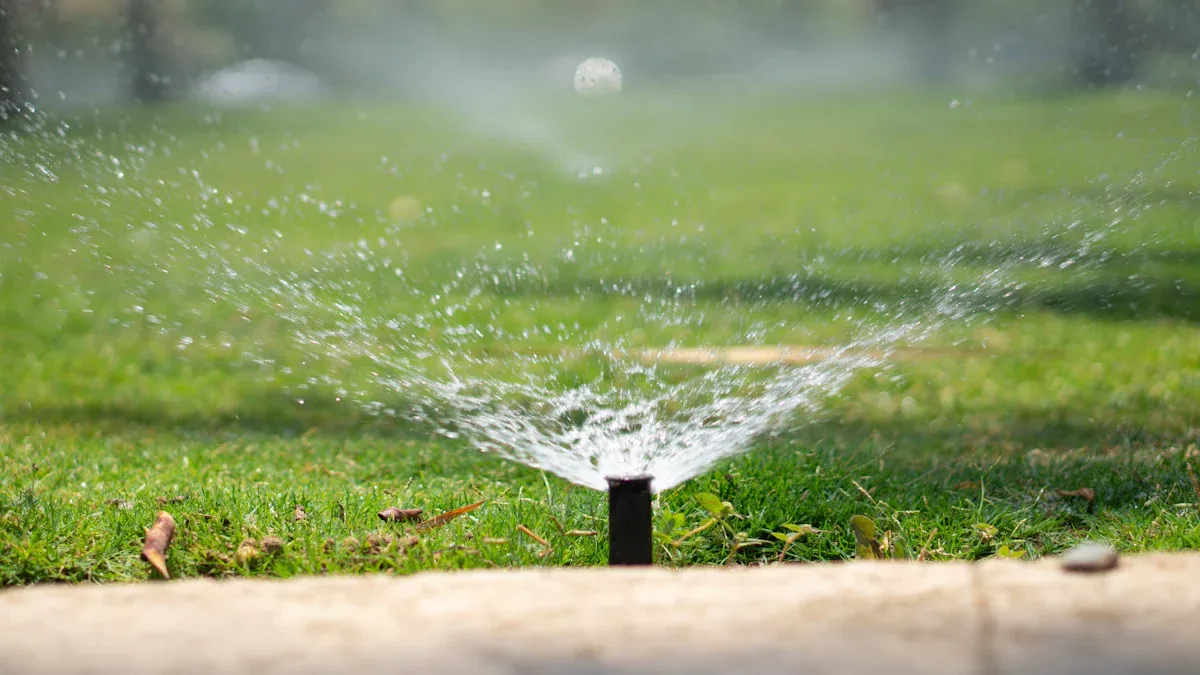
Getting the right fit starts with measuring the lawn. For irregular shapes, a tape measure helps keep things accurate. Start from a fixed spot, like the edge of the house. Draw the lawn to scale on paper, using a simple scale such as one square equals ten feet. Add trees, walkways, and other features to the drawing. This plan helps when placing each Garden Sprinkler. For narrow or odd-shaped areas, variable arc nozzles work well because they adjust to any angle. Overlapping sprinkler patterns, like rectangles or triangles, prevent dry spots and make sure every inch gets water.
Identifying Grass, Plants, and Soil Type
Different plants and soils need different watering styles. Here’s a quick guide:
| Plant/Grass Type | Watering Pattern/Requirement | Recommended Sprinkler/Irrigation Type |
|---|---|---|
| Lawns | About 1 inch weekly; deep watering prevents shallow roots | Garden Sprinklers with controlled rate |
| Trees | Deep watering at drip line, 3'+ depth | Soaker or trickle hoses |
| Flowerbeds, potted plants | Gentle mist, water roots about 1' deep | Mist/shower nozzles, soaker hoses, drip |
| Cool-season grasses | More frequent watering | In-ground or Impact Sprinklers |
| Warm-season grasses | Less water needed | Standard sprinklers |
Soil type matters too:
| Soil Type | Water Absorption Characteristics | Best Practice |
|---|---|---|
| Sandy | Drains fast, low retention | Short, frequent watering, drip |
| Clay | Absorbs slowly, holds water | Slow, long watering, soaker |
| Loamy | Balanced retention/drainage | Regular watering, sprinklers |
| Silty | Holds water, drains less | Gentle sprinkler coverage |
Evaluating Sun, Shade, and Water Pressure
Sun and shade change how much water a lawn needs. Sunny spots dry out fast and need more water. Shady areas keep moisture longer, so less watering is needed. Dividing the yard into zones based on sun and shade helps save water and keeps plants healthy.
- Sunny areas need more frequent watering.
- Shady spots hold moisture, so water less often.
- Different plants may need their own schedules.
- Zoning by sun and shade prevents waste.
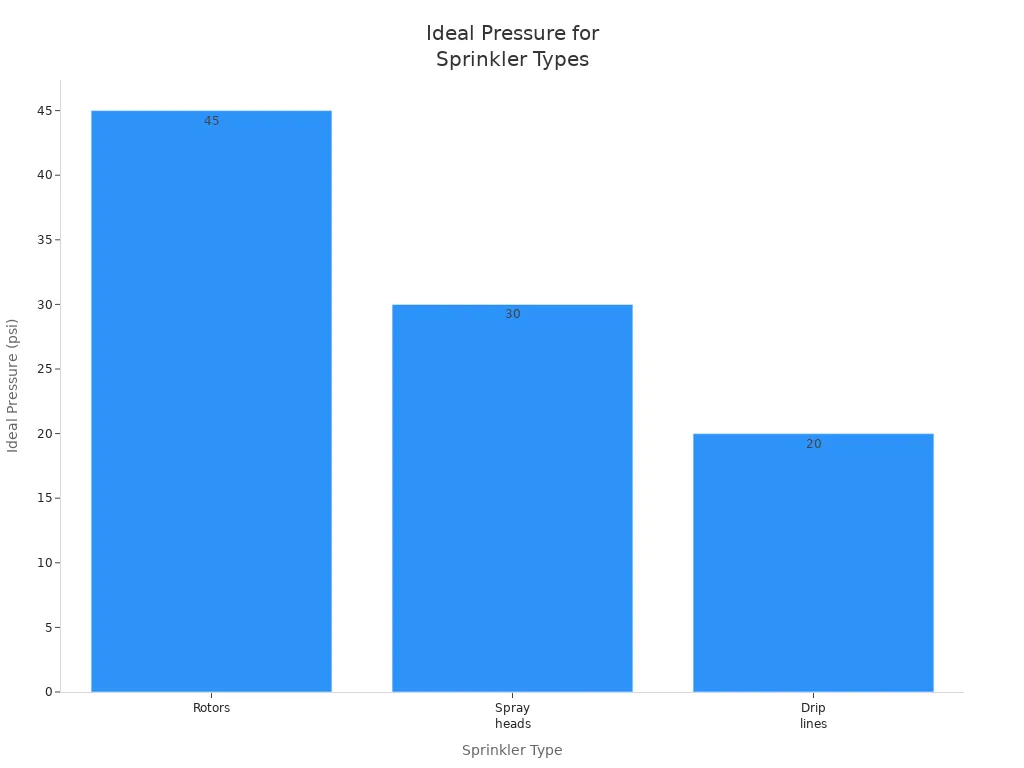
Water pressure also affects sprinkler choice. Most spray heads work best at about 30 psi, while rotors need around 45 psi. Drip lines do well at 20 psi. Too little pressure means poor coverage, while too much causes misting and waste.
Understanding Local Watering Restrictions
Many cities limit when and how often sprinklers can run. Some places only allow watering two or three days a week, often based on house numbers. Watering is usually not allowed during the hottest part of the day or right after rain. Some systems, like drip irrigation, may get exemptions. These rules help save water and protect the environment. Always check local guidelines before setting up a Garden Sprinkler system.
Comparing Garden Sprinkler System Types and Features
Overview of Sprinkler Types (Oscillating, Rotary, Impact, Stationary, Drip, Soaker, Smart)
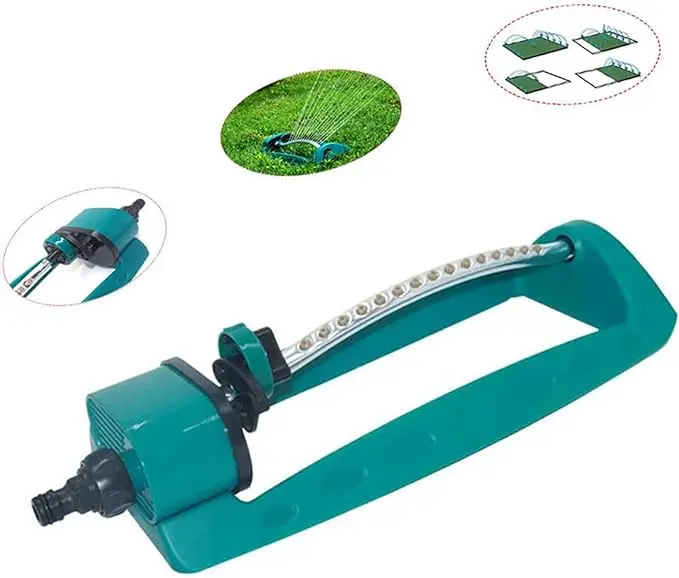
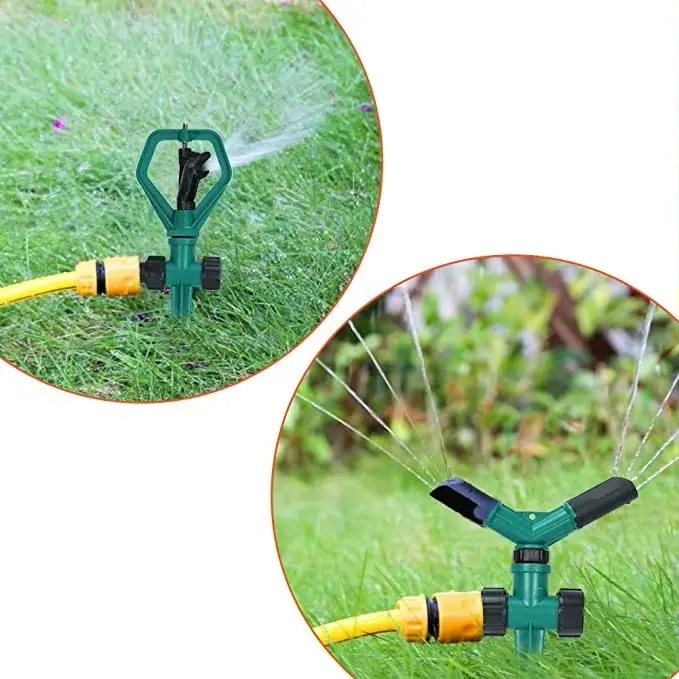
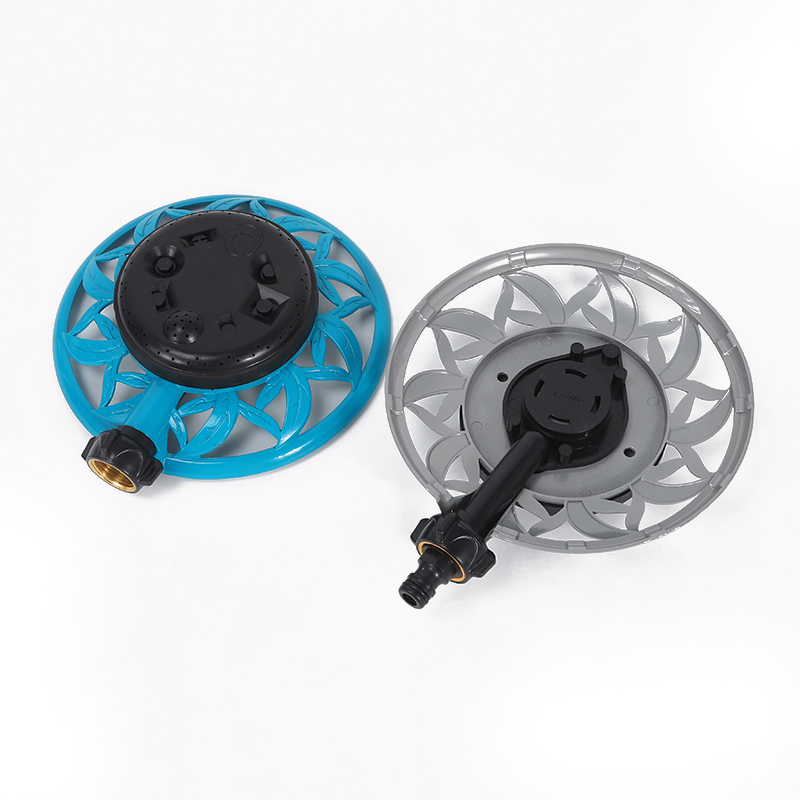
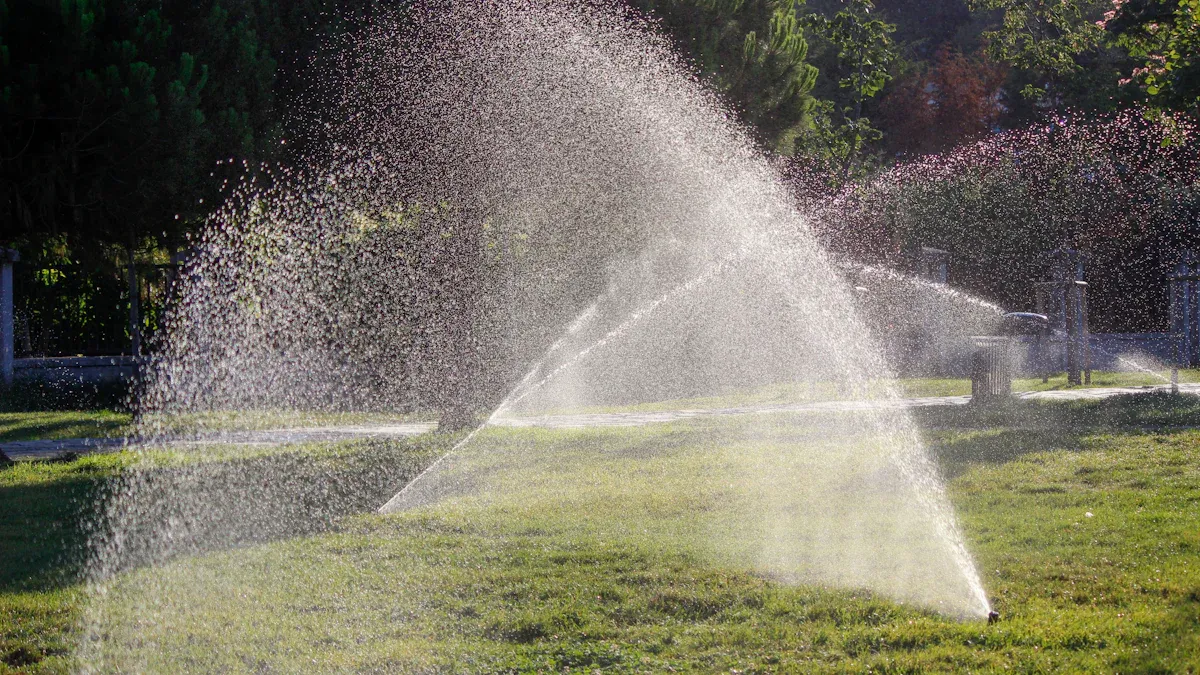
Garden Sprinkler systems come in many types, each with its own way of watering. Oscillating sprinklers use a moving bar with holes to spray water in a fan shape, covering rectangular areas. Rotary sprinklers spin streams of water in circles, reaching large spaces and working well on slopes. Impact sprinklers shoot a single stream that hits a metal arm, making a clicking sound as it rotates. These cover a circular area but may leave dry spots if not placed right. Stationary sprinklers stay in one spot and spray in a fixed pattern, perfect for small gardens or flower beds.
Drip systems deliver water straight to plant roots through tubes and emitters. They use less water and work best for gardens or potted plants. Soaker hoses let water seep out slowly along their length, watering the soil around them. Smart sprinklers use sensors and weather data to adjust watering times, helping save water and keep plants healthy.
| Sprinkler Type | Water Distribution Pattern | Coverage Shape | Coverage Area / Range | Water Delivery Method | Suitability / Notes |
|---|---|---|---|---|---|
| Oscillating | Uniform spray, moving bar | Rectangular | 300-1,500 sq ft | Multiple streams | Small lawns, gentle for seeds |
| Rotary | Rotating streams | Circular | Large areas | Slow streams | Medium-large lawns, slopes |
| Impact | Single rotating stream | Circular | 20-40 ft radius | Single stream | Corners, edges, adjustable |
| Stationary | Fixed spray | Circle/square | Small areas | Fixed spray | Flower beds, shrubs |
| Drip | Direct to roots | Localized | Specific plants | Drip emitters | Gardens, pots, water-saving |
| Soaker | Trickle along hose | Linear | 10-25 ft | Gentle trickle | Beds, rows, uneven flow |
| Smart | Sensor-based, precise | N/A | N/A | Controlled | Water-saving, tech features |
Tip: Rotary and oscillating sprinklers work best for most lawns, while drip and soaker systems suit gardens and flower beds.
Matching Sprinkler Types to Lawn Needs
Choosing the right Garden Sprinkler depends on the lawn’s shape, plant types, and water needs. Here’s a simple way to match sprinklers to your yard:
- Measure the size and shape of the area. Rectangular lawns do well with oscillating sprinklers. Circular or odd-shaped lawns may need rotary or impact sprinklers.
- Look at the plants. Lawns and turfgrass need even coverage, so rotary or oscillating types work well. Flower beds and shrubs do better with stationary, drip, or soaker systems.
- Check water pressure. Rotary and impact sprinklers need higher pressure. Drip and soaker hoses work with lower pressure.
- Think about climate. Hot, dry areas need systems that can water more often or adjust to weather. Rain sensors help in wet climates to avoid overwatering.
- Consider convenience. Smart sprinklers and timers make watering easy and save water.
| Criteria | Explanation |
|---|---|
| Water supply and pressure | Sprinklers must match available water flow and pressure. |
| Climate | Windy or dry areas need special nozzles or smart controls. |
| Soil type and terrain | Slopes need slow watering; clay soils need gentle, long watering. |
| Size and shape of area | Choose spray patterns that fit the lawn’s layout. |
| Plant types | Different plants need different watering styles. |
| Hardscape protection | Avoid spraying sidewalks or driveways. |
| Component compatibility | Use matched nozzles for even watering. |
Hunter PGP rotary sprinklers are popular for medium-sized lawns. They give even water, let users adjust the spray, and work well on slopes or uneven ground. Multiple stream sprinklers also help reduce runoff and evaporation, making them efficient for many yards.
Key Features to Consider (Adjustability, Timers, Smart Controls, Rain Sensors)
Modern Garden Sprinkler systems offer many features to make watering easier and more efficient:
- Adjustable spray patterns and radius: Change the direction and distance of water to fit any lawn shape. This helps avoid wasting water on sidewalks or driveways.
- Timers and programmable controllers: Set watering schedules so the system runs automatically, even when nobody is home.
- Smart controls: Use weather data and soil moisture sensors to adjust watering times. Some systems connect to smartphones for remote control.
- Rain sensors: Stop watering when it rains, saving water and preventing overwatering.
- Pressure regulation: Keeps water flow steady, reducing misting and making sure water reaches the plants.
- Zoning: Divide the yard into zones for different watering needs. Sunny spots can get more water, while shady areas get less.
Note: Smart controllers and rain sensors can cut water use and lower bills. They also protect plants from too much water, which can cause root rot or disease.
Budget, Installation, and Maintenance Considerations
The cost of a Garden Sprinkler system depends on the type, size, and features. Above-ground sprinklers are the cheapest and easiest to install. They cost $10 to $40 each and work well for small or medium lawns. In-ground systems look neat and add value to the home, but they cost more—usually $2,000 to $4,500 for a quarter-acre yard. Drip irrigation costs $500 to $3,000 per acre but saves the most water.
| Sprinkler System Type | Average Cost Range (USD) | Typical Lifespan | Notes |
|---|---|---|---|
| In-ground | $1,740 - $6,500 | 20+ years | Hidden pipes, professional install |
| Above-ground | $425 - $2,000 | N/A | Portable, easy DIY, less aesthetic |
| Drip Irrigation | $450 - $1,500/zone | N/A | Water-efficient, more maintenance |
- Installation: Above-ground systems need no digging and can be set up in minutes. In-ground systems require trenching, pipe-laying, and often a pro installer. Drip systems take time to set up but offer precise watering.
- Maintenance: Above-ground sprinklers may break or clog but are easy to replace. In-ground systems last longer but need seasonal checks and repairs. Drip systems need regular cleaning to prevent clogs.
Tip: Always check local rules before installing a system. Some areas have watering restrictions or require permits.
Choosing the right sprinkler system helps lawns stay healthy and saves water. Homeowners often make mistakes like poor zoning or ignoring water pressure. They should compare system types, check features, and ask experts for help. > Smart choices lead to fewer repairs, lower bills, and greener grass.
FAQ
How often should someone water their lawn with a sprinkler system?
Most lawns need about 1 inch of water each week. People can split this into two or three watering sessions for best results.
Tip: Check soil moisture before watering. Overwatering can harm grass.
Can a garden sprinkler system work with low water pressure?
Yes, drip and soaker systems work well with low pressure. Rotary and impact sprinklers need higher pressure for good coverage.
What is the easiest sprinkler system to install for beginners?
Above-ground sprinklers are the simplest. People can set them up in minutes without digging or special tools. These work well for small or medium lawns.