


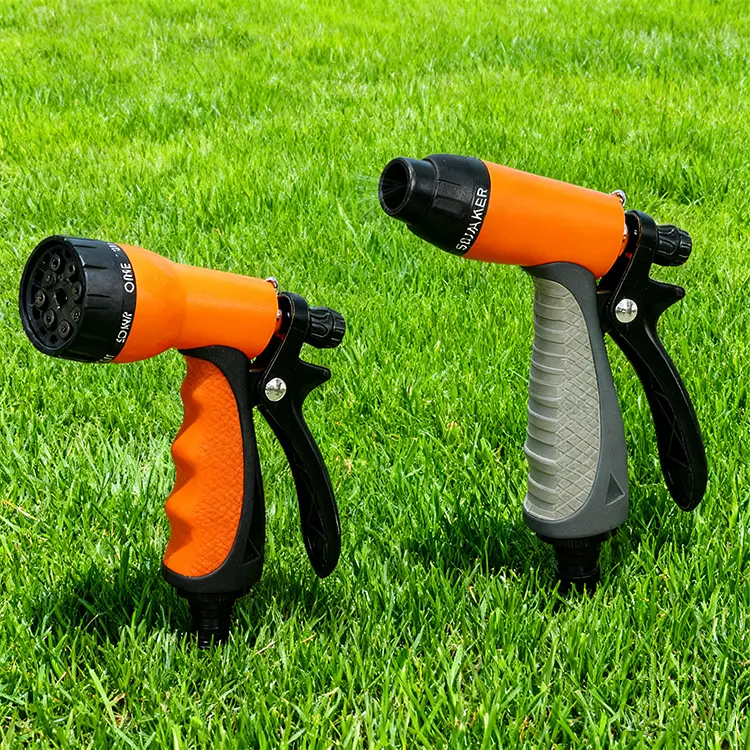
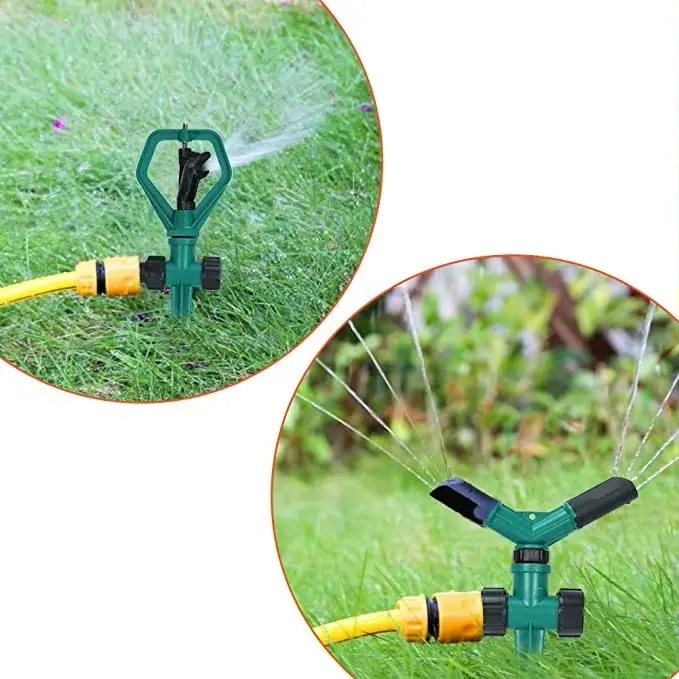
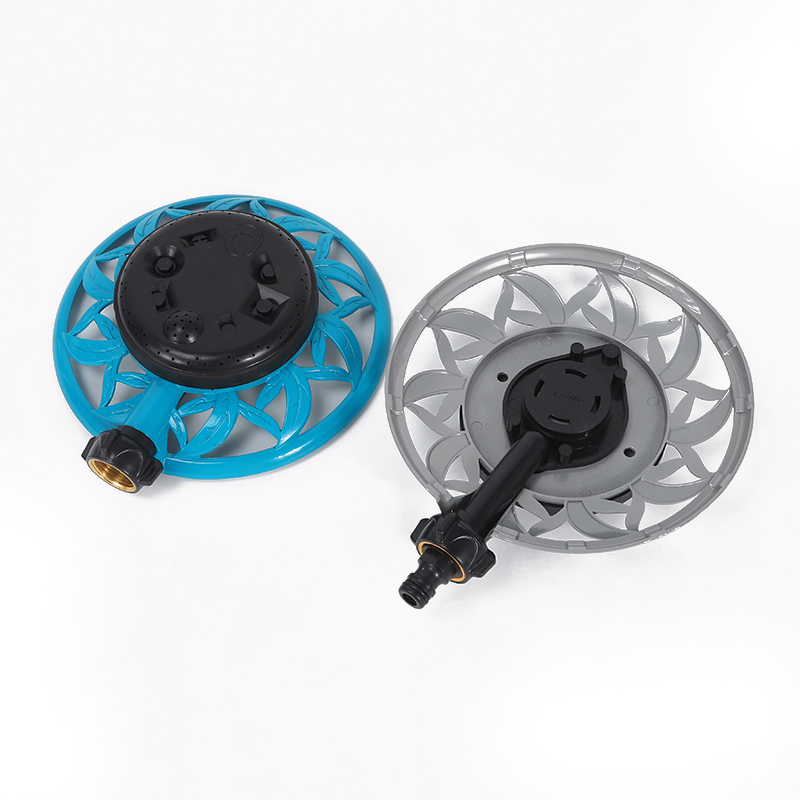
Is your garden healthier with smart sprinklers or without them?
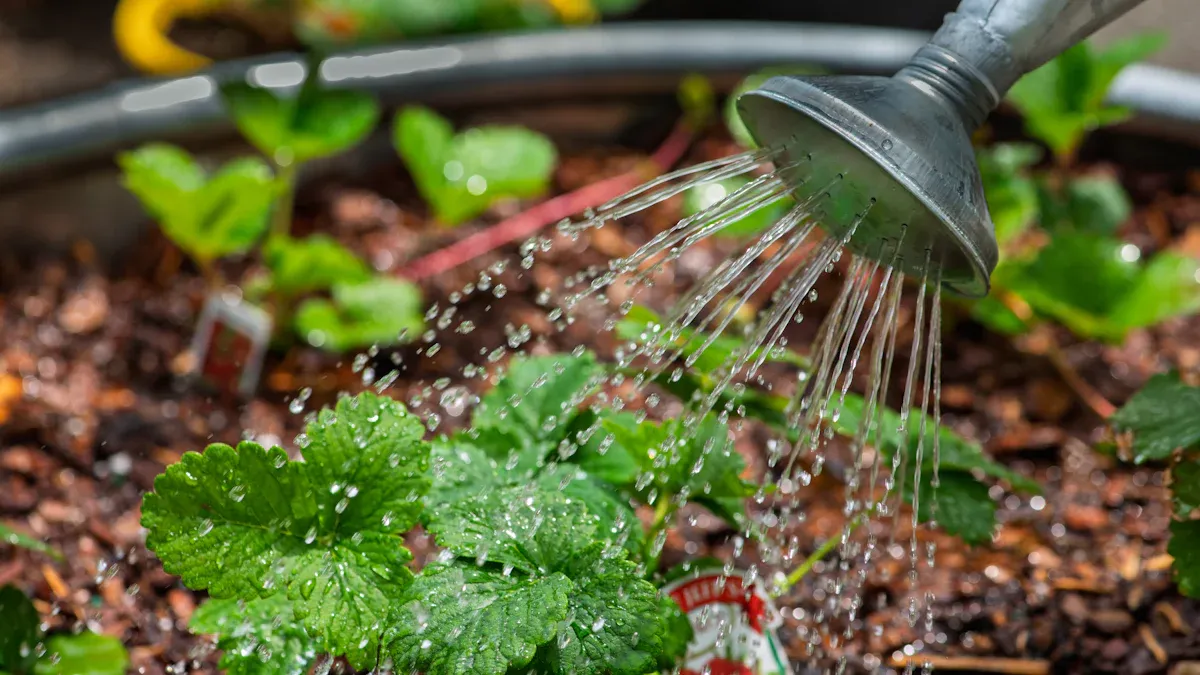
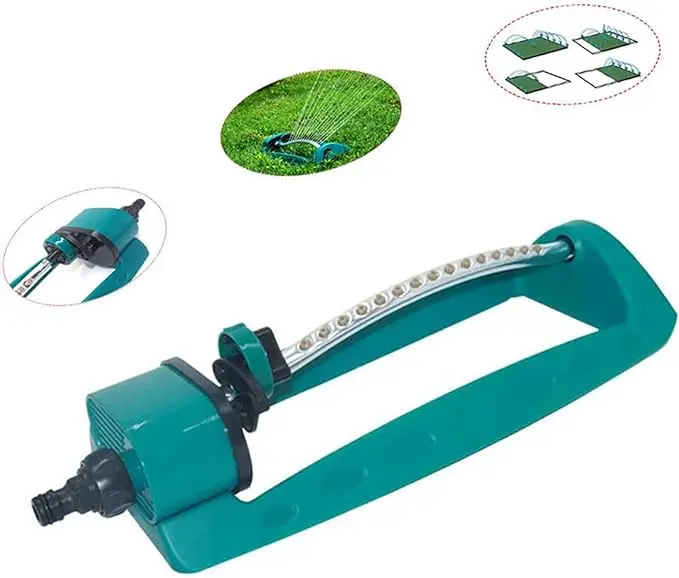
Smart Garden Sprinklers often help gardens stay healthier than traditional watering. Consistent watering from agarden irrigation system supports deep roots and stress resistance. Yard size, soil type, and even a plastic impact water sprinkler or an automatic oscillating garden water sprinkler can affect results. The right lawn irrigation tool matters.
Key Takeaways
- Smart sprinklers keep gardens healthier by watering plants precisely and adjusting to weather and soil conditions automatically.
- These systems save water and money over time by avoiding overwatering and using real-time data to water only when needed.
- Smart sprinklers offer convenient remote control and reduce daily maintenance, but they cost more upfront and may need technical setup.
Garden Sprinkler Impact on Plant Health
Consistency and Precision in Watering
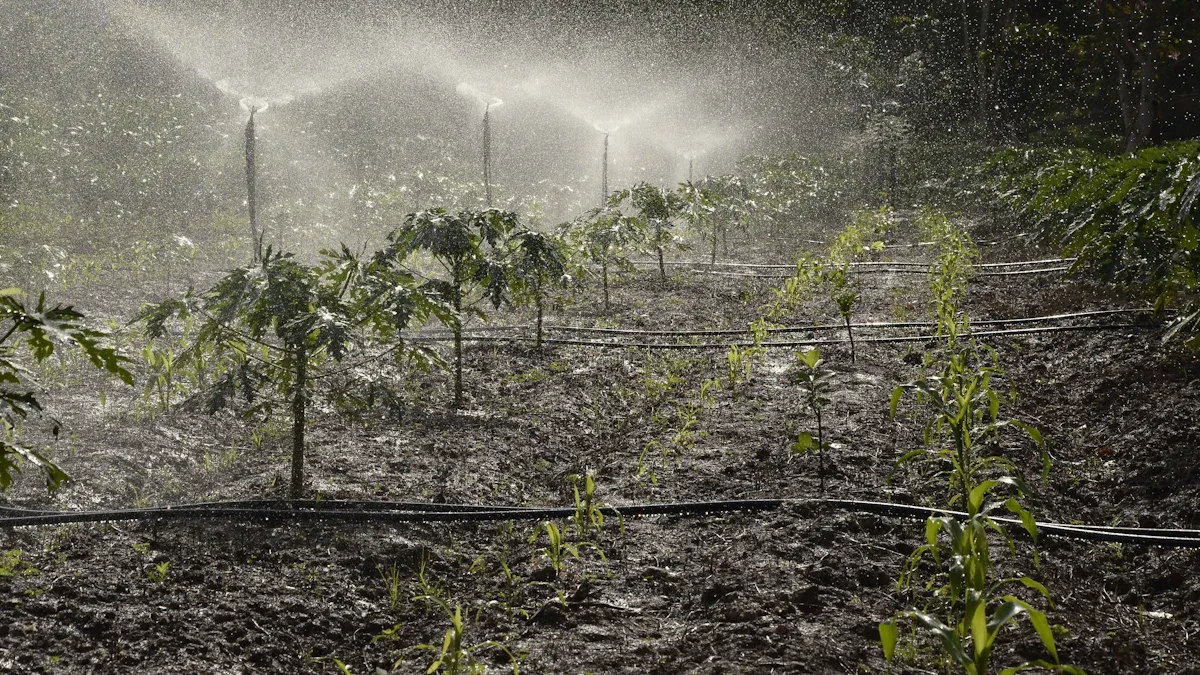
A healthy garden starts with the right amount of water at the right time. Smart sprinklers help gardeners achieve this by using real-time data from weather forecasts and soil sensors. These systems adjust watering schedules automatically, so plants get what they need without guesswork. Traditional watering methods often rely on fixed schedules or manual effort, which can lead to uneven results.
- Proper watering is especially important during seed germination and early growth.
- Deep watering once a week encourages roots to grow deeper, making plants stronger.
- Light, daily watering only wets the top inch of soil, which does not help roots reach deeper moisture.
Smart sprinklers use features like Automatic Seasonal Adjust and Forecasted Rain Delay. These tools change watering times based on temperature and upcoming rain, making sure the garden sprinkler delivers water only when needed. This level of precision supports healthy plant growth and reduces waste.
Overwatering and Underwatering Risks
Both overwatering and underwatering can harm plants. Overwatering causes soggy soil and yellowing leaves, while underwatering leads to dry, crispy leaves and drooping stems. Smart sprinkler systems use soil moisture and climate sensors to check if the soil is too wet or too dry. They then adjust the watering schedule to match the garden's needs.
- Overwatering can cause root rot, yellow leaves, and slow growth.
- Underwatering results in wilting, brown leaves, and stunted plants.
- Both problems can make it hard to tell what is wrong, but soil moisture testing helps.
Traditional garden sprinkler systems often run on timers, so they may water even when it rains or skip watering during dry spells. Smart systems avoid these mistakes by responding to real-time conditions, which helps prevent common watering errors.
Adaptability to Weather and Soil Conditions
Weather changes quickly, and soil can dry out or become waterlogged in a short time. Smart sprinklers adapt by using local weather data and soil sensors. They measure things like humidity, temperature, wind, and rainfall. When rain is coming, the system can pause watering. If the soil is dry, it can add more water.
| Feature | Smart Sprinkler | Traditional Sprinkler |
|---|---|---|
| Adjusts for rain | ✅ | ❌ |
| Uses soil moisture data | ✅ | ❌ |
| Manual schedule needed | ❌ | ✅ |
Gardeners who use smart systems find that their plants stay healthier because the garden sprinkler responds to changing conditions. These systems also help save water and energy by avoiding unnecessary watering.
Tip: Smart sprinklers can even detect leaks and shut off water to prevent damage, something traditional systems cannot do.
Garden Sprinkler Water Efficiency and Environmental Impact
Water Usage Comparison
Smart sprinkler systems use much less water than traditional sprinklers. They adjust watering based on weather and soil moisture, so they do not waste water. For example, a traditional pop-up sprinkler uses about 15 to 16 gallons per minute per station. In comparison, an Irrigreen smart sprinkler uses only about 6 gallons per minute per head. Over a month, this difference adds up.
| Frequency | Traditional System | Irrigreen Smart System |
|---|---|---|
| Daily (30 days) | 28,800 to 57,600 | 10,800 to 21,600 |
| Every other day | 14,400 to 28,800 | 5,400 to 10,800 |
| Twice a week | 7,680 to 15,360 | 2,880 to 5,760 |
| Once a week | 3,840 to 7,680 | 1,440 to 2,880 |
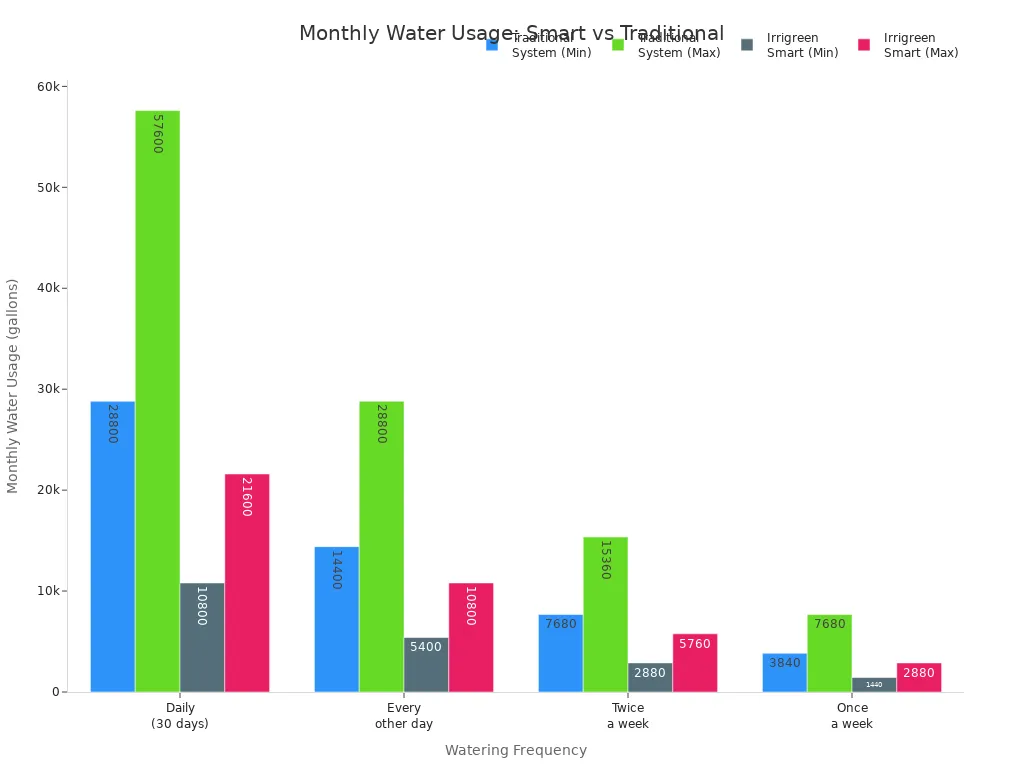
Studies show that smart irrigation controllers can save between 16% and 50% of water compared to traditional systems. Some homes save up to 15,000 gallons of water each year just by switching to a smart controller.
Sustainability and Conservation Benefits
Smart sprinkler systems help the environment in many ways:
- They use soil moisture and rain sensors to water only when needed.
- Weather-based controls adjust watering for temperature and humidity.
- Cycle and soak features reduce runoff and improve soil absorption.
- Less water use means lower water bills and less strain on local water supplies.
- Healthier plants need fewer chemicals, which keeps water cleaner.
Smart irrigation supports sustainable landscaping and helps protect natural resources.
Effects on Local Ecosystems
Smart irrigation systems protect local ecosystems by reducing water waste and runoff. They prevent soil erosion and keep fertilizers and pesticides from washing into rivers and lakes. Using less water also means less energy for pumping and treatment, which lowers carbon emissions. These systems help create healthier lawns and gardens, support plant diversity, and make neighborhoods greener.
Garden Sprinkler Convenience and User Experience
Setup and Installation Process
Setting up a garden sprinkler system can feel different depending on the type. Traditional sprinklers usually have a lower cost and a simple setup. Most people can install them with basic tools and a little time. Smart sprinkler systems take more effort. They need Wi-Fi, smartphone apps, and sometimes professional help. The table below shows the main differences:
| Aspect | Traditional Sprinkler Systems | Smart Sprinkler Systems |
|---|---|---|
| Initial Cost | Lower | Higher (technology included) |
| Setup Complexity | Simple | Needs Wi-Fi and app integration |
| Control | Manual adjustments | Remote and automatic via app |
| Automation | None | Sensors and weather data used |
| Maintenance | Manual checks | App updates and annual system checks |
| Connectivity Requirement | None | Needs reliable internet |
| Ease of Use Post-Setup | Manual | Easy remote adjustments |
Smart systems take longer to install because of sensors and advanced controls. Many people hire a professional for setup. Traditional systems are quicker but need more hands-on work later.
Daily Operation and Maintenance Needs
Traditional sprinklers need regular manual checks. People must adjust timers, check for leaks, and fix broken parts. This can take a lot of time, especially during the growing season. Smart sprinklers reduce daily work. They use weather data and soil sensors to water plants automatically. Users only need to check the app, clean sensors, and make sure the Wi-Fi works. Seasonal tasks, like winterizing the system, are important for both types. Smart systems may need a professional for these jobs, but they save time during the rest of the year.
Tip: Smart sprinklers can skip watering before rain, saving water and effort.
Remote Control and Automation Features
Smart sprinkler systems stand out with their remote control features. Users can manage watering from anywhere using a smartphone or tablet. Many systems work with voice assistants like Amazon Alexa or Google Home. This means someone can say, "Water the backyard," and the system responds. Apps let users change schedules, run zones, and check watering history without leaving the couch. Traditional systems do not offer this level of convenience. People must be at home to make changes or turn the system on and off. Smart systems make it easy to keep a garden healthy, even while on vacation.
Garden Sprinkler Costs: Upfront and Ongoing
Initial Investment and Equipment
Smart sprinkler systems usually cost more at the start than traditional ones. Homeowners pay for advanced controllers, sensors, and installation. The table below shows how costs compare:
| System Type | Average Initial Investment Range | Key Cost Components and Notes |
|---|---|---|
| Smart Sprinkler System | $3,500 - $5,500 | Includes smart controllers, multiple zones, and complex installation. |
| Smart Controller Upgrade | $60 - $300 | Upgrading an existing system is much cheaper than a full replacement. |
| Traditional In-ground | $1,720 - $3,454 (materials only) | Labor adds $50-$100/hr for 8-16 hours. |
| Traditional Above-ground | $425 - $625 (materials only) | Lower cost but shorter lifespan. |
Equipment prices for smart systems vary by brand and features. Some budget models cost under $100, while premium systems can reach thousands.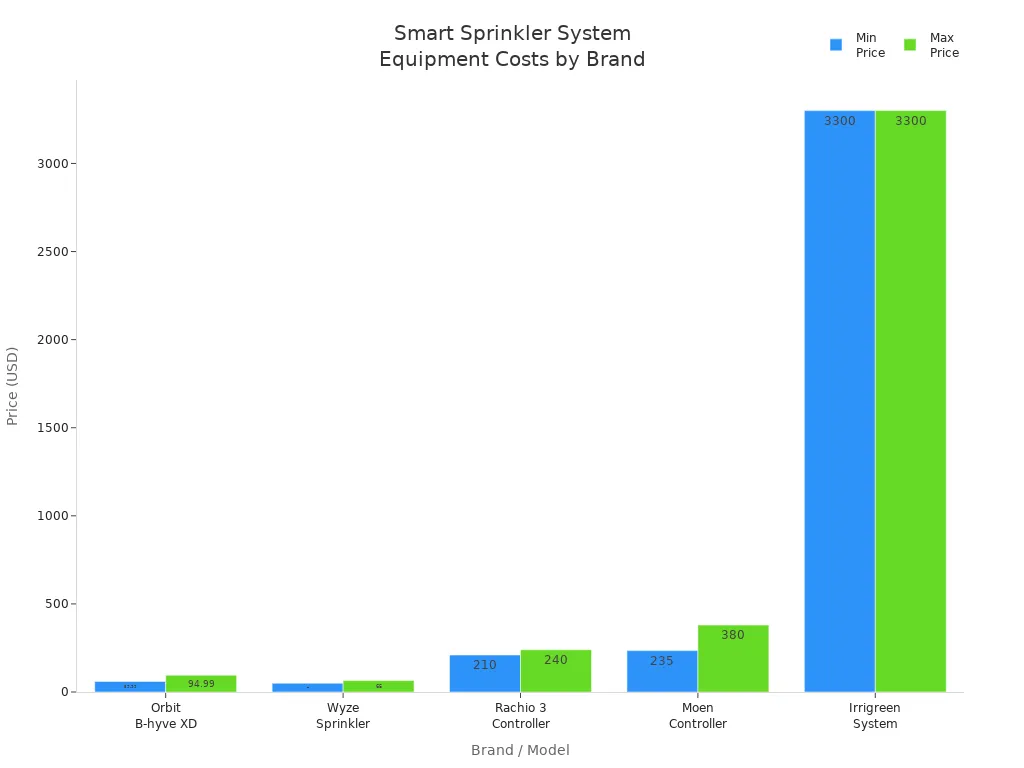
Maintenance, Repairs, and Upgrades
Smart sprinkler systems need less hands-on care than traditional ones. Regular maintenance, like cleaning sensors and checking connections, helps avoid big repairs. If something breaks, repairs can cost $70 to $120 for a sprinkler head or up to $700 for a controller. Pipes and valves may cost $150 to $400 to fix. Many people choose professional service for expert repairs and long-term savings. Upgrading to water-saving parts can also lower future costs.
Tip: Regular maintenance and winterizing the system can prevent expensive repairs.
Long-Term Savings or Expenses
Smart systems save water and money over time. They use weather data and soil sensors to avoid waste. Many families see water bills drop by 15% to 40%. Some even cut water use in half. Most people recover their investment within two years. Rebates from cities or water companies can help with upfront costs. Smart systems also last longer, so owners spend less on replacements. Over five years, these savings usually make up for the higher starting price of a smart Garden Sprinkler system.
Garden Sprinkler Drawbacks and Limitations
Technical Issues and Reliability Concerns
Smart sprinkler systems can make watering easier, but they also come with some technical challenges. Many controllers only support up to eight zones, which may not work for large gardens. The system depends on accurate weather data, so a poor weather station can cause problems. Sometimes, the setup needs special steps, like adding a master valve, to work right. Power outages or software glitches can stop the system from running. Users also need to watch out for damaged sprinkler heads, leaking pipes, or clogged valves. These issues can waste water and hurt plant health. Some people worry about data privacy because smart systems collect and process information.
- Controllers may limit the number of zones.
- Weather data quality affects watering accuracy.
- Physical damage or leaks can cause water waste.
- Power or internet outages disrupt operation.
- Data privacy and security risks exist.
Compatibility with Different Garden Types
Not every garden fits a smart sprinkler system. Large properties with many zones may need more advanced equipment. Gardens with mixed plant types, like lawns and flower beds, can be tricky to manage with one system. Installing sprinkler heads with different water rates in the same zone often leads to uneven watering. Soil moisture sensors help, but they need careful placement. Some gardens have odd shapes or slopes, which make even coverage hard. Traditional systems may work better for small or simple gardens.
Learning Curve and User Preferences
Smart sprinkler systems use apps and sensors, which can feel confusing at first. Some people find the setup and maintenance too technical. They may need professional help to get started. Others prefer the hands-on control of a traditional Garden Sprinkler. Software updates, sensor checks, and app settings add extra steps. People who like simple tools may not enjoy learning new technology. Still, remote monitoring can help spot problems early and save time in the long run.
Smart sprinklers help plants stay healthy, save water, and make watering easy. They cost more at first but lower bills over time. People with big or busy yards may love smart systems. Smaller gardens or simple needs might do fine with traditional sprinklers. Everyone should pick what fits their lifestyle best.
FAQ
How does a smart sprinkler know when to water?
Smart sprinklers use weather data and soil sensors. They check if the soil feels dry or if rain is coming. The system then decides when to water.
Can smart sprinklers work with any garden size?
Most smart sprinklers fit small to medium gardens. Large gardens may need extra zones or special equipment. Always check the system’s zone limit before buying.
Do smart sprinklers need Wi-Fi all the time?
Yes, smart sprinklers need Wi-Fi for updates and remote control. If Wi-Fi drops, the system usually follows the last set schedule until it reconnects.