


Is your garden irrigation system ready for 2025?
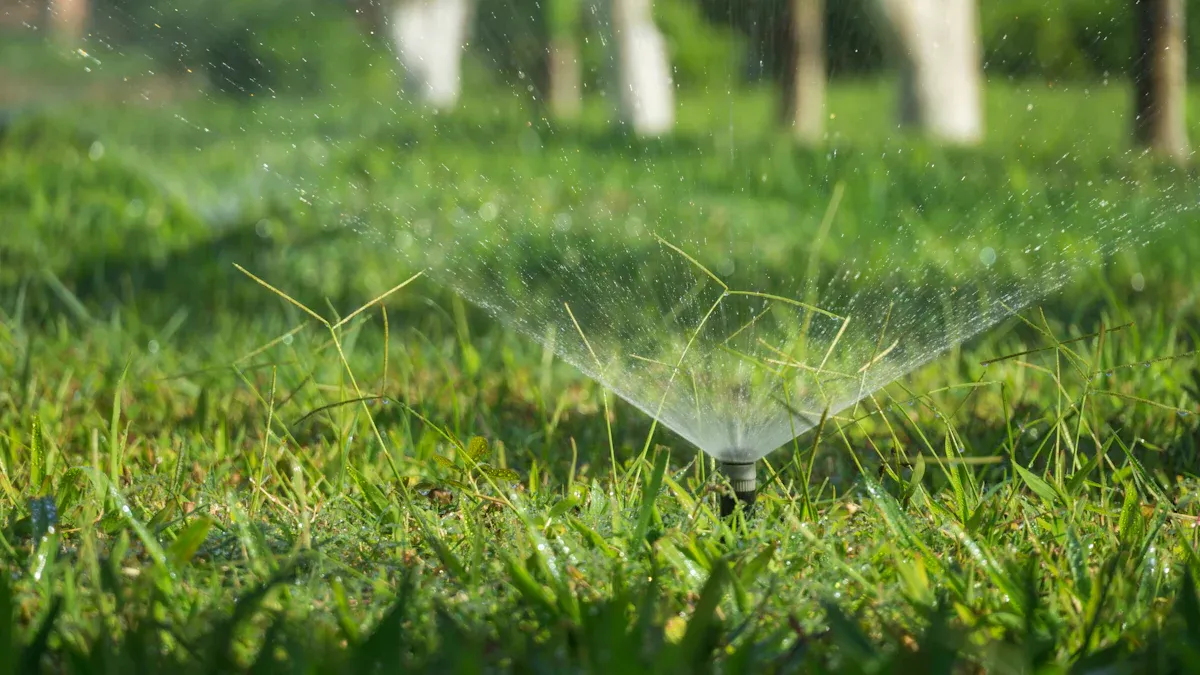
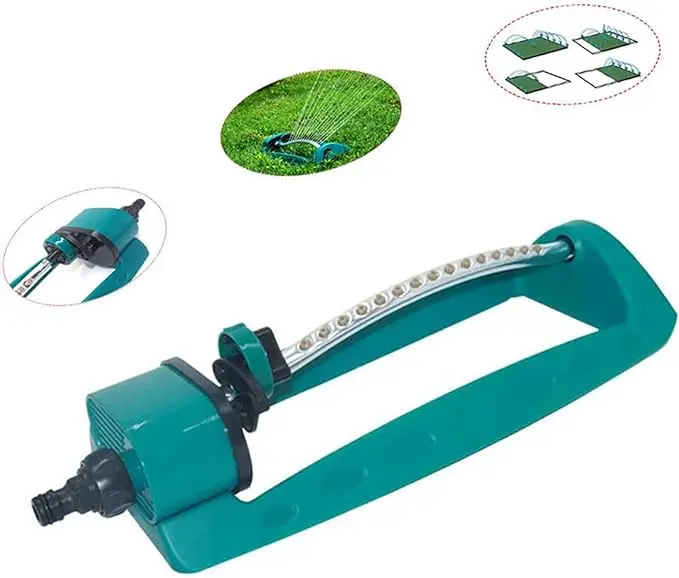
A garden irrigation system can use up to 70% of a home’s water. Many systems waste water because they lack inspections or use old parts. Poorly maintained irrigation sprinkler setups or an outdated lawn sprinkler will not meet new rules. People who upgrade to an automatic watering system or Impact Water Sprinkler save water and protect their gardens.
Key Takeaways
- Upgrade old irrigation systems to smart controllers and water-saving features to cut water use by up to 50% and lower bills.
- Follow 2025 rules by maintaining your system well and using certified, efficient parts to avoid fines and protect water supplies.
- Perform seasonal checks and clean nozzles and filters regularly to keep your irrigation system efficient and prevent costly repairs.
Assessing and Upgrading Your Garden Irrigation System
Checking System Age and Efficiency
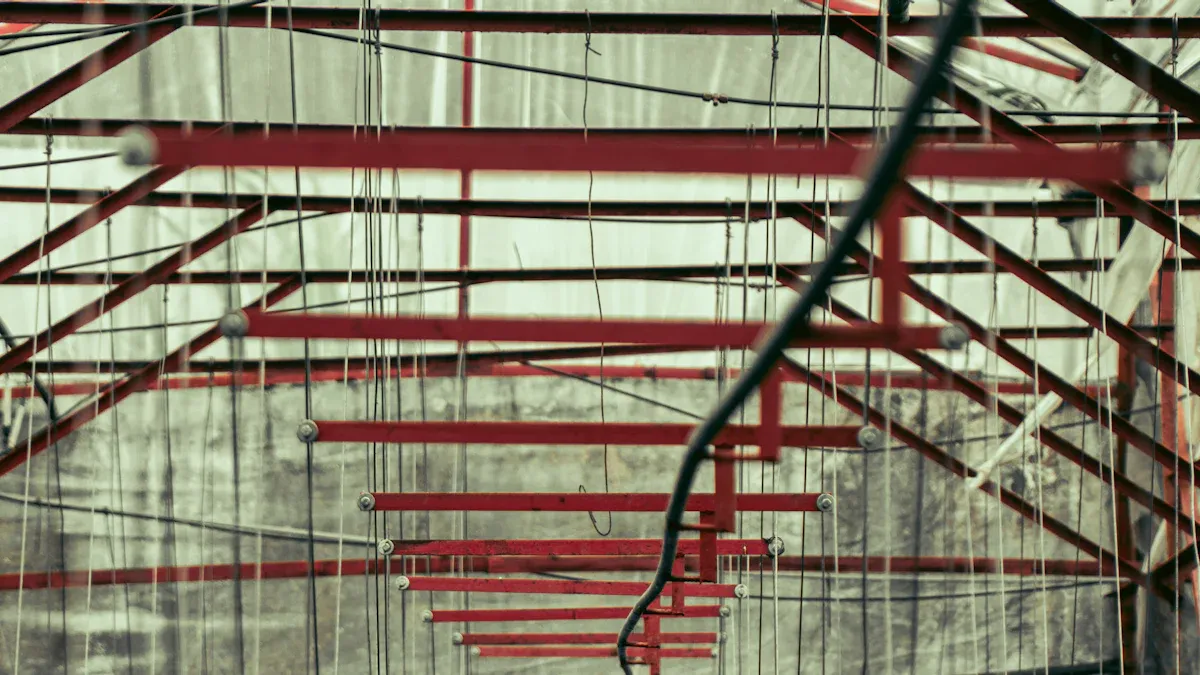
A garden irrigation system works best when it is well-maintained and not too old. Most systems last about 20 years before they start to lose efficiency. Regular care, like replacing nozzles and sprinkler heads, helps keep the system running smoothly. Some parts, such as nozzles, may need replacement every few years, while pipes can last much longer. If a system needs frequent repairs or does not water evenly, it might be time for an upgrade.
Older systems often waste water. They may spray too much, miss spots, or break down more often. Newer models use smart technology to control water flow and reduce waste. These upgrades can lower water use by 10% to 30%. The table below shows how older and newer systems compare:
| Aspect | Older Systems | Newer Systems |
|---|---|---|
| Water Loss | Up to 50% lost to wind, evaporation, runoff | Reduced waste with precise watering |
| Water Consumption Reduction | None | 10%–30% less water used in summer |
| Maintenance | Frequent repairs needed | Less maintenance, fewer parts |
| Control Technology | Manual or basic timers | Smart controllers with weather and soil data |
| Remote Monitoring | Not available | Available via smartphone or smart home system |
A modern garden irrigation system saves water, lowers bills, and keeps plants healthier.
Meeting 2025 Regulations and Standards
New rules for 2025 focus on saving water and making sure every garden irrigation system works safely and efficiently. Homeowners must follow these main requirements:
- Projects with landscape areas under 500 square feet, phased projects, and certain turf areas must comply.
- A qualified professional must certify that the system will not use more water than allowed.
- The system must be installed, operated, and maintained to stay within the water budget.
- All new systems connected to public water must meet engineering standards.
Some of the key standards include proper installation of irrigation meters and backflow prevention devices. Not following these rules can lead to warnings or fines between $1,000 and $2,500. New systems must use weather-based controllers, and rain sensors will soon be required for older systems. These steps help protect water supplies and ensure every garden irrigation system meets safety and efficiency goals.
Tip: Always check local codes before upgrading or installing a new system. Rules may vary by city or state.
Upgrading to Smart Controllers and Water-Saving Features
Smart controllers make a big difference in how much water a garden irrigation system uses. These devices connect to Wi-Fi and use weather data to adjust watering schedules. They skip watering on rainy days, increase it during heat waves, and change the amount based on wind or humidity. Some models, like the Orbit B-Hyve and Rachio, let users control watering from a phone or smart home device.
Smart systems can save between 30% and 50% of outdoor water use each year. For example, a typical household can save about 7,600 gallons of water annually. Many people see a return on their investment within one or two seasons. Water-saving features, such as soil moisture sensors and high-efficiency nozzles, also help prevent overwatering and runoff.
| Model | Weather Responsiveness | Controls & Compatibility | Notable Features |
|---|---|---|---|
| Orbit B-Hyve | Good, limited weather data | App, voice (Alexa, Google) | Easy install, weatherproof |
| Rachio 8ZULW-C | Highly responsive forecasts | App, voice (Alexa, Google, Samsung) | No backup battery, easy Wi-Fi |
| Rain Bird ST8-2.0 | Middling weather responsiveness | App, voice (Alexa, Google) | Weatherproof, less accurate |
Note: Many cities offer rebates for upgrading to smart controllers or water-saving features. Homeowners can save money on both water bills and installation costs.
Choosing Between Drip and Sprinkler Systems
Choosing the right type of garden irrigation system depends on garden size, plant types, and climate. Drip irrigation delivers water straight to the roots, which reduces evaporation and runoff. It works best for flower beds, vegetable gardens, and areas with different plant needs. Sprinkler systems cover larger areas, like lawns, but lose more water to wind and evaporation.
| Criteria | Drip Irrigation | Sprinkler Systems |
|---|---|---|
| Water Efficiency | 90–95% | 50–70% |
| Best Use | Beds, shrubs, veggies | Lawns, large open spaces |
| Cost | Higher upfront, saves water | Lower upfront, more waste |
| Maintenance | Prevent emitter clogs | Seasonal repairs needed |
Drip irrigation often costs more to install but saves money over time by using less water. In drought-prone areas, drip systems can save up to 70% more water than sprinklers. Some gardeners use both systems together to get the best results for different parts of the yard.
Tip: Drip irrigation is usually better for gardens with many types of plants or in places with water restrictions. Sprinklers work well for large, grassy areas.
Maintenance and Troubleshooting for Your Garden Irrigation System
Seasonal Checks and Routine Maintenance
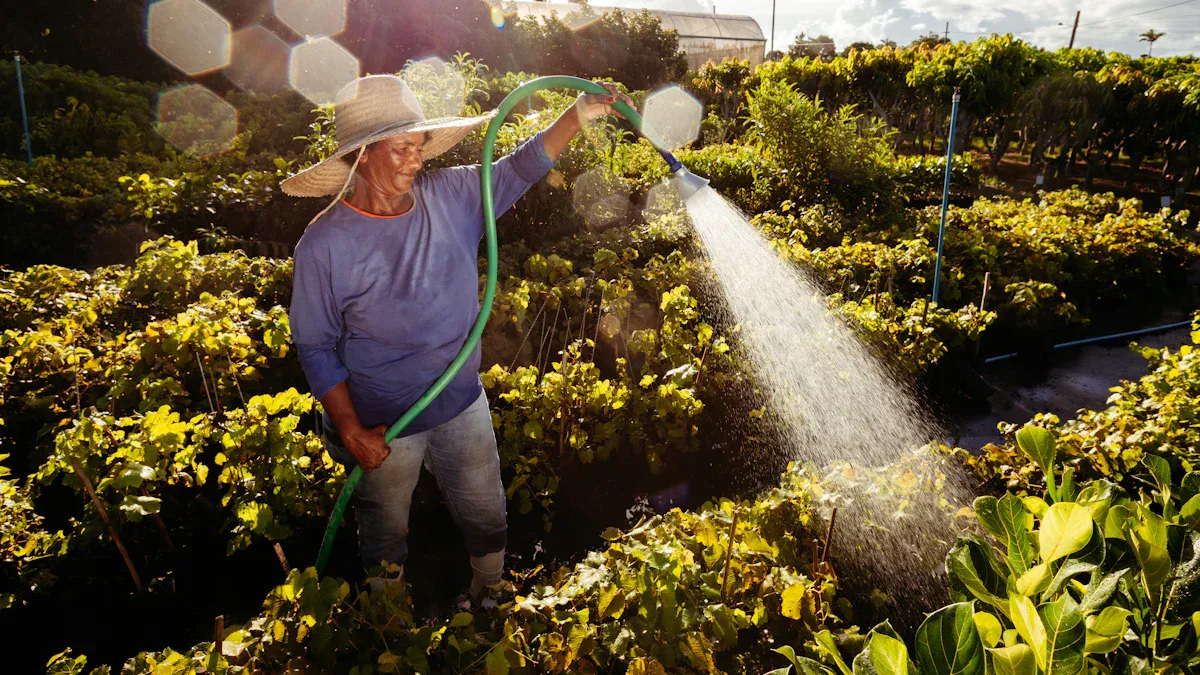
A well-maintained garden irrigation system keeps plants healthy and saves water. Industry experts recommend a few key tasks each season:
- Spring Start-Up: Inspect for leaks, broken heads, and damaged pipes. Clean filters and sprinkler heads to remove winter debris. Flush the system to clear out sediment.
- Summer Adjustments: Check schedules and water pressure. Clean heads and adjust for hotter weather. Use smart controllers to match watering to current conditions.
- Quarterly Cleaning: Flush pipes and protect exposed parts. Insulate pipes before winter and disconnect hoses.
- Winterizing: Blow out water with compressed air and insulate exposed components. Shut down the system to prevent freeze damage.
- Regular Inspections: Walk the yard weekly or seasonally. Look for clogs, leaks, or misaligned heads.
Routine maintenance helps prevent costly repairs and keeps the garden irrigation system working efficiently.
Detecting and Repairing Leaks
Leaks can waste water and damage plants. Common causes include broken sprinkler heads, faulty valves, and underground pipe breaks. Signs of leaks include pooling water, soggy spots, and higher water bills. Technicians often inspect each zone, listen for odd sounds, and use leak detectors. Minor leaks may need waterproof tape or sealant. Major leaks often require replacing valves or pipes. Smart technology and rain sensors help reduce leak risks by adjusting watering schedules.
Tip: Watch for uneven watering patterns or low water pressure. These signs often point to hidden leaks.
Cleaning Filters, Nozzles, and Components
Clean filters and nozzles keep water flowing smoothly. Experts suggest inspecting filters every few months and cleaning them at least twice a year. Remove filters and rinse with water. Use a soft brush for stubborn dirt. Flush drip lines and pipes until water runs clear. Check emitters and sprinkler heads for clogs or damage. Replace worn parts as needed. Regular cleaning prevents sediment buildup and keeps the garden irrigation system running strong.
| Component | Cleaning Frequency | Method |
|---|---|---|
| Filters | Twice a year | Rinse, brush, flush |
| Nozzles | Monthly | Clean, replace yearly |
| Pipes | Annually | Flush, inspect |
Adapting to Climate and Technology Changes
Changing weather patterns affect how much water gardens need. Hotter summers and unpredictable rain mean irrigation schedules must adapt. Smart controllers and soil moisture sensors help by adjusting watering based on real-time data. Drip irrigation and rainwater harvesting conserve water during dry spells. New technologies like wireless sensors and automated systems powered by solar energy make it easier to monitor and control watering. Flexible systems respond to climate changes and keep gardens thriving.
🌱 Smart irrigation tools help gardeners save water and keep plants healthy, even when the weather changes quickly.
To get a garden ready for 2025, homeowners should check controller settings, run each zone, and fix problems fast. They can upgrade to smart features and drip irrigation for big water savings. Regular care keeps the garden irrigation system efficient. 💧 Saving water means saving money and time.
FAQ
How often should someone check their garden irrigation system?
Gardeners should check their system every season. Regular checks help spot leaks, clogs, or broken parts before they cause bigger problems.
Tip: Set a reminder on a phone or calendar for each season!
Can smart controllers really save money?
Yes! Smart controllers adjust watering based on weather. They help people use less water, which lowers bills and keeps plants healthy.
What is the best way to prevent clogged nozzles?
Clean nozzles monthly. Remove dirt and debris with water or a soft brush. Regular cleaning keeps water flowing and stops uneven watering.