


The Essential Guide to Garden Sprinklers: Types, Functions, and Applications
In the world of gardening and landscaping, Garden Sprinklers play a crucial role in maintaining healthy plants and lush green lawns. With over a decade of experience in manufacturing high-quality garden sprinklers, our factory understands the intricacies of these essential watering tools. This article delves into the various materials, function modes, spray ranges, water pressure requirements, advantages and disadvantages, and applications of garden sprinklers, helping you choose the right one for your needs.
Understanding Garden Sprinklers
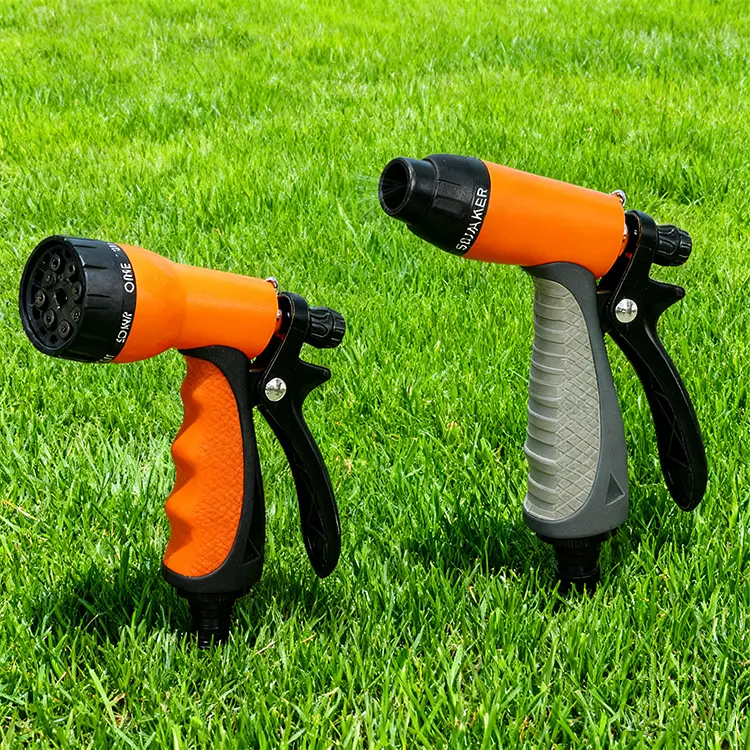
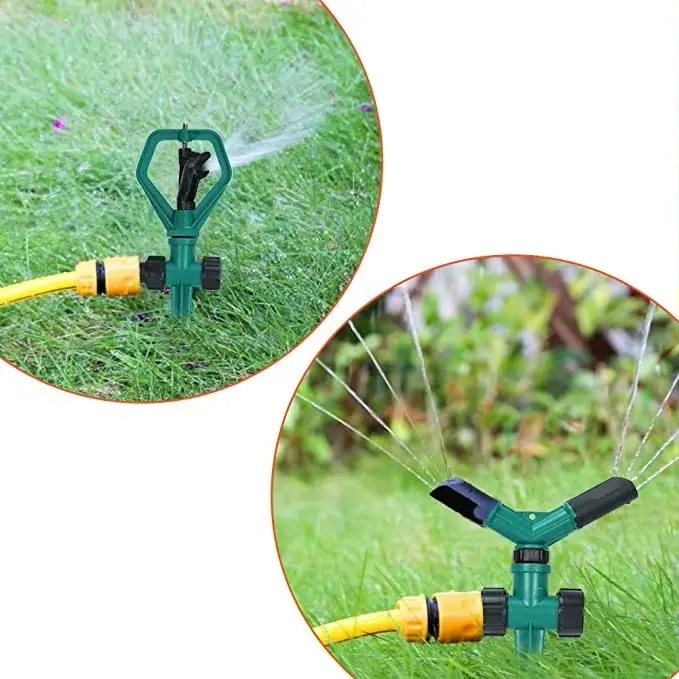
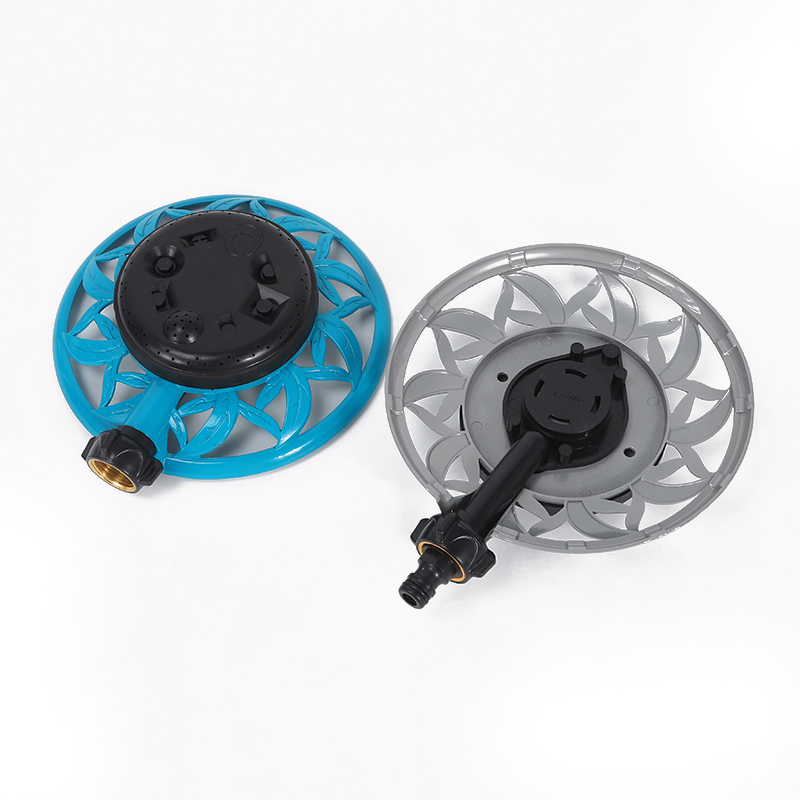
Garden sprinklers are versatile irrigation systems designed to deliver water efficiently to your plants and lawns. They come in various materials, including plastic, metal, and rubber, each offering unique benefits. Selecting the right material is essential, as it can affect the durability and performance of the sprinkler.
Types of Materials
Plastic Sprinklers
- 1. Advantages: Lightweight, affordable, resistant to rust and corrosion.
- 2. Disadvantages: Less durable than metal options; can become brittle over time.
- 3. Best For: Residential gardens and small lawns.
Metal Sprinklers
- 1. Advantages: Durable, withstand harsh weather, and heavy usage.
- 2. Disadvantages: More expensive and can rust if not properly maintained.
- 3. Best For: Larger gardens and commercial applications.
Rubber Sprinklers
- 1. Advantages: Flexible and portable, ideal for temporary setups.
- 2. Disadvantages: Less durable than plastic or metal; may wear out quicker.
- 3. Best For: Events and temporary irrigation solutions.
Function Modes
Modern garden sprinklers come equipped with various function modes to cater to different watering needs. Here are some common modes:
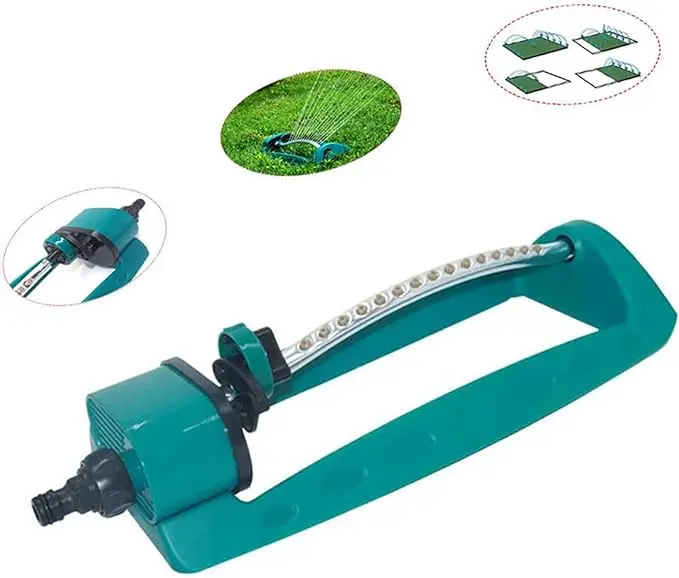
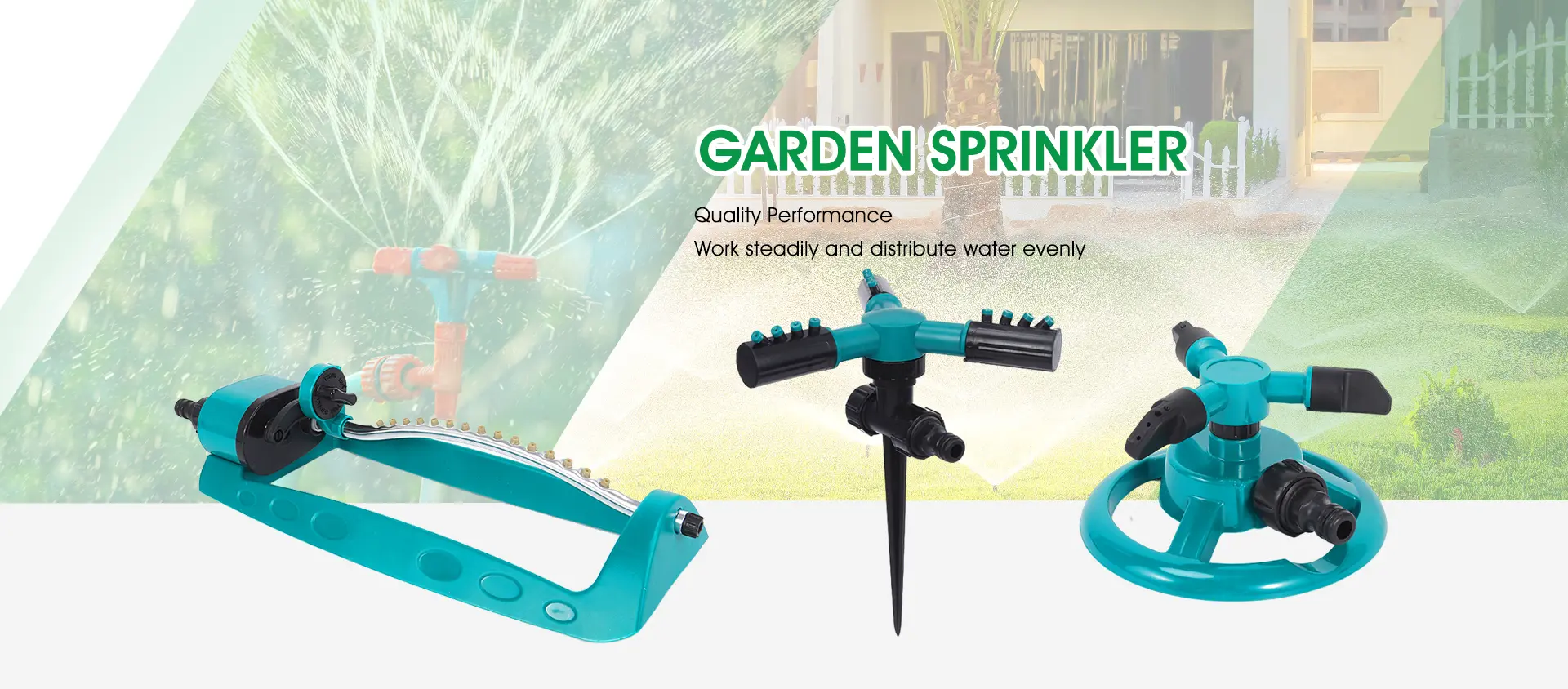
1. Oscillating Mode
- Coverage: Typically covers up to 3,000 square feet.
- Optimal Pressure: Best performance is at 30 to 50 PSI.
- Advantages: Provides even coverage over large areas.
- Disadvantages: Can be less effective in windy conditions.
- Best For: Medium to large lawns.
2. Rotary Mode
- Coverage: Can cover areas ranging from 15 to 50 feet in radius.
- Optimal Pressure: Requires 30 to 50 PSI for efficient operation.
- Advantages: Precise watering for targeted spots.
- Disadvantages: Slower watering rate compared to other types.
- Best For: Large gardens and specific plant areas.
3. Stationary Mode
- Coverage: Usually covers a radius of 10 to 15 feet.
- Optimal Pressure: Operates efficiently at 20 to 40 PSI.
- Advantages: Simple to use and maintain, cost-effective.
- Disadvantages: Limited coverage area.
- Best For: Small gardens and flower beds.
4. Drip Irrigation
- Coverage: Designed for specific plants.
- Optimal Pressure: Works well at lower pressures, around 10 to 30 PSI.
- Advantages: Minimizes water waste, delivers water directly to roots.
- Disadvantages: More complex installation and maintenance.
- Best For: Vegetable gardens and specific plant arrangements.
Applications of Garden Sprinklers
Garden sprinklers are not limited to just lawns; they have a variety of applications:
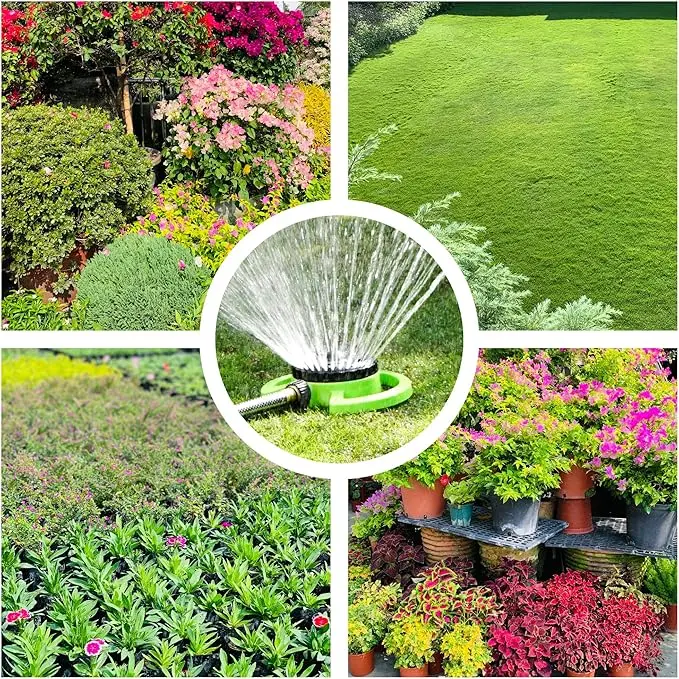
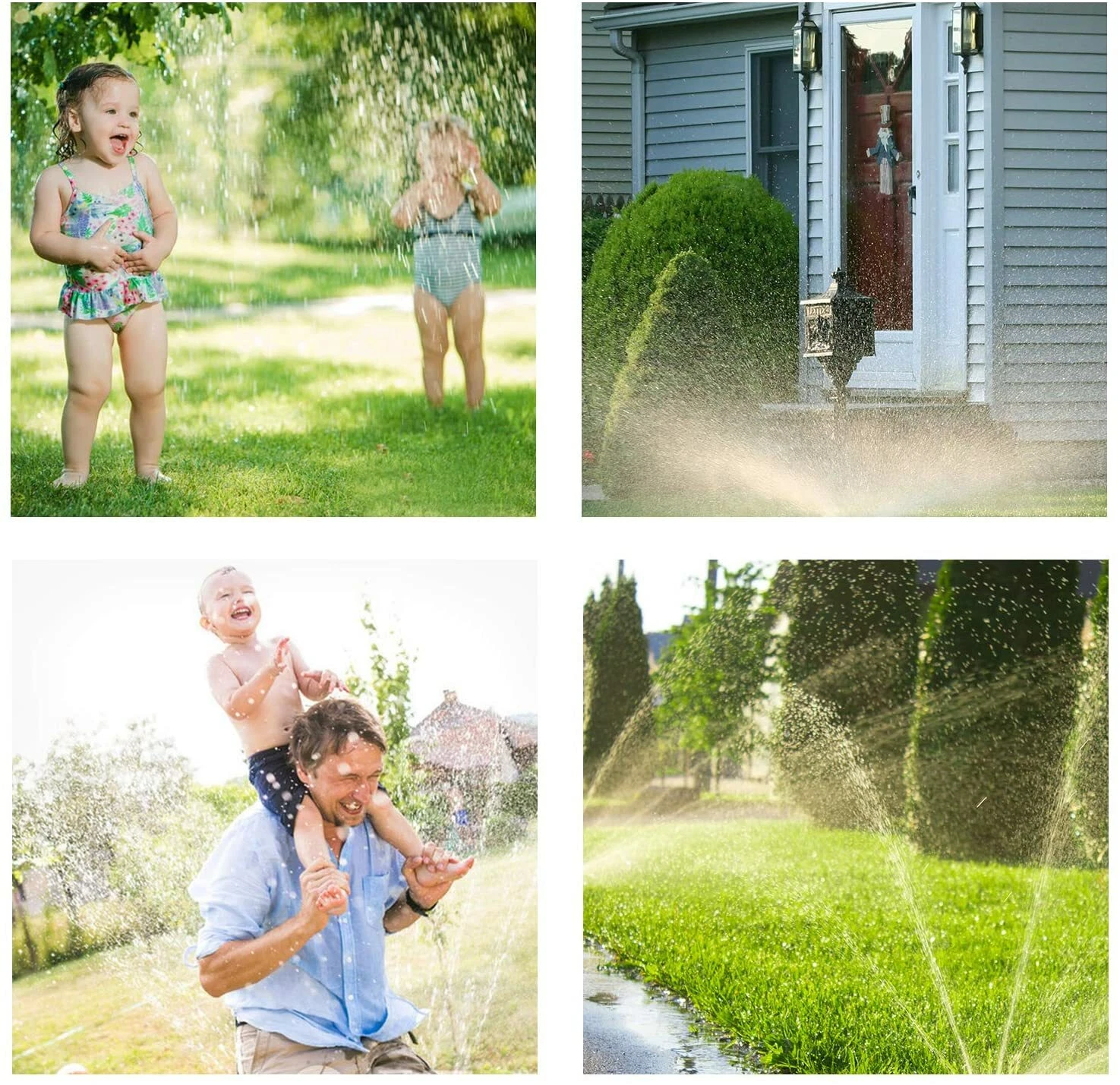
1. Lawn Irrigation
Maintaining a lush lawn requires consistent watering. Garden sprinklers ensure even distribution, preventing dry patches and promoting healthy grass growth.
Keywords: "lawn irrigation," "sprinklers for lawns."
2. Construction Sites
In addition to residential use, garden sprinklers are beneficial on construction sites. They help control dust and stabilize soil, creating a safer working environment.
Keywords: "construction site sprinklers."
3. Flower and Vegetable Gardens
Garden sprinklers can be customized for flower beds and vegetable patches, ensuring that your plants receive the right amount of water without oversaturation.
Keywords: "vegetable garden irrigation," "flower bed sprinklers."
4. Automated Systems
For those looking for convenience, automated garden sprinklers offer programmable settings. This feature allows you to set watering schedules, ensuring your garden stays hydrated even when you are away.
Keywords: "automated garden sprinklers," "smart irrigation systems."
5. Choosing the Right Garden Sprinkler
When selecting a garden sprinkler, consider the following factors:
- Garden Size: Larger areas may require oscillating or rotary sprinklers, while smaller gardens can be effectively managed with stationary or drip systems.
- Plant Types: Different plants have varying water needs. Assess your garden's flora to choose the most suitable sprinkler type.
- Budget: While investing in a high-quality sprinkler may come at a higher initial cost, it often pays off in durability and performance.
Conclusion
Garden sprinklers are indispensable tools for any gardening enthusiast or professional landscaper. With various materials, function modes, spray ranges, water pressure requirements, advantages, and disadvantages, choosing the right sprinkler can enhance your gardening experience and promote plant health. As a trusted manufacturer with over ten years of experience, we are committed to providing high-quality garden sprinklers that meet the diverse needs of our customers. Invest in the right sprinkler today and watch your garden thrive!