


What makes commercial-grade irrigation sprinklers different from standard systems?
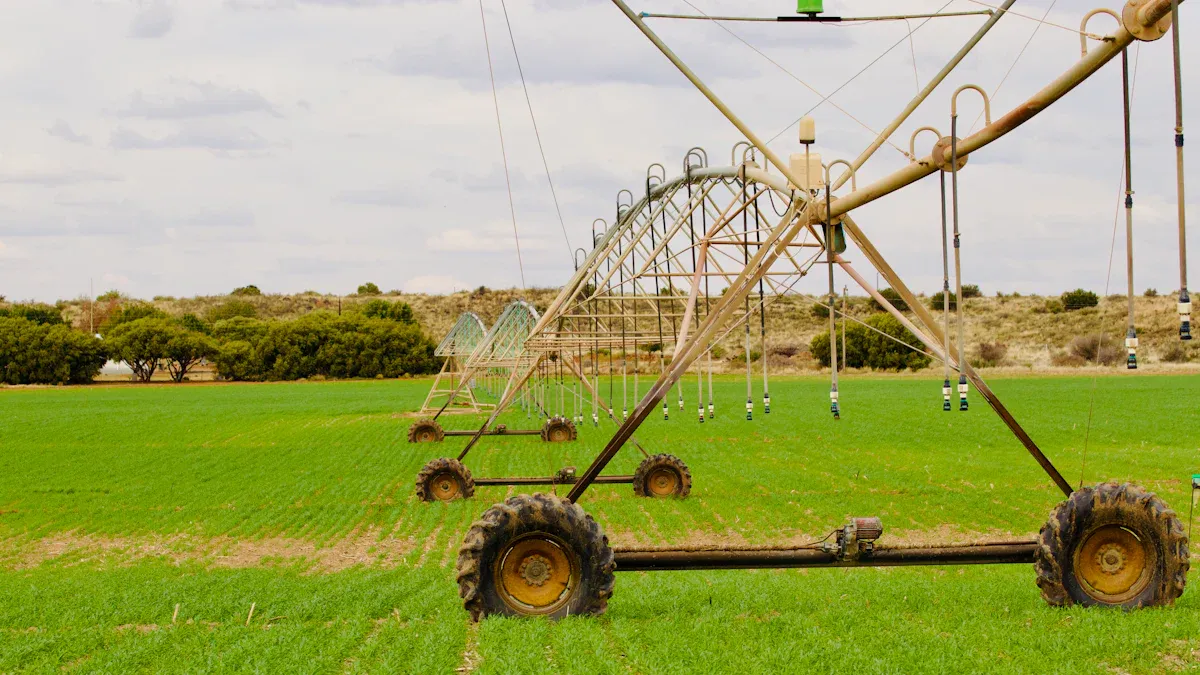
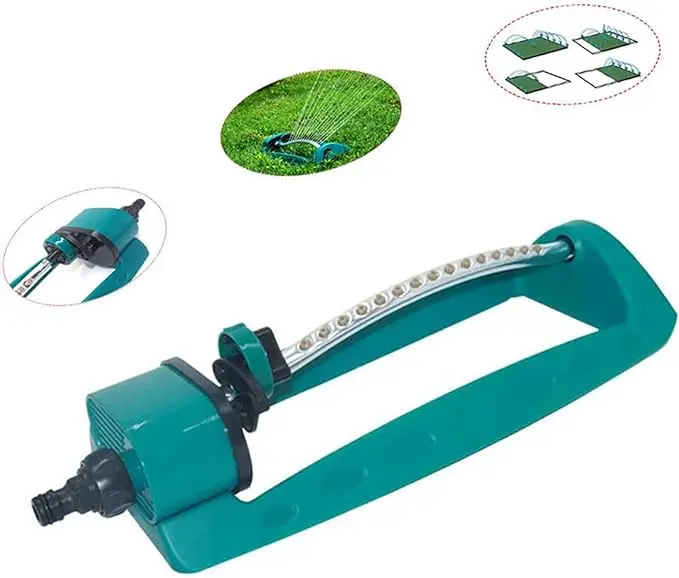
Commercial-grade irrigation sprinkler systems handle tough jobs. They keep parks, sports fields, and large lawns green and healthy. People choose these systems for their strong materials, smart controls, and ability to cover wide areas. Some use a rotating irrigation sprinkler or an automatic watering system to water lawn sprinkler zones with less effort.
- These systems save time and water.
Key Takeaways
- Commercial-grade irrigation systems use stronger materials, like metal and PVC, ensuring durability and longevity with proper maintenance.
- These systems cover larger areas efficiently, utilizing higher water pressure and advanced technology for optimal performance.
- Smart controls and sensors in commercial systems help save water, adjust watering schedules, and maintain healthy landscapes.
Key Differences in Irrigation Sprinkler Systems
Durability and Materials
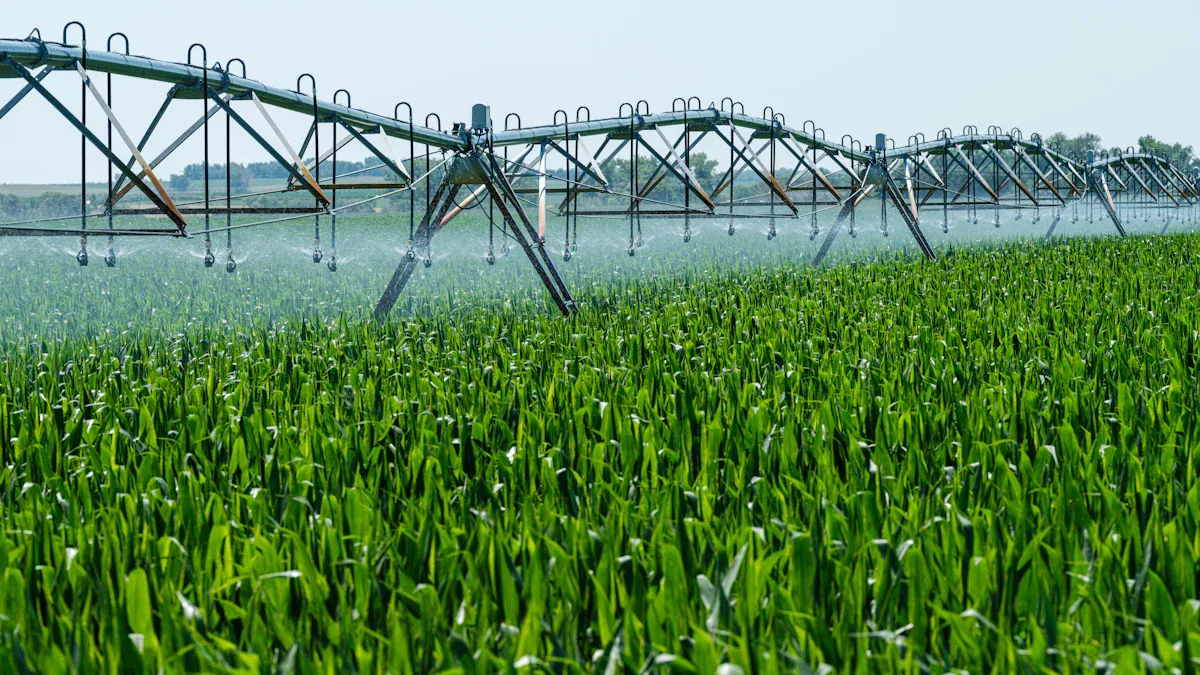
Commercial-grade irrigation sprinkler systemsuse stronger materials than standard ones. These systems often feature PVC pipes, which are affordable but can become brittle over time. Many commercial systems also use metal components. Metal parts last longer but need regular care to prevent rust and corrosion. Poly-drip irrigation lines can last 10-15 years, but sometimes develop cracks after just a few years. PVC multiport systems usually last longer and are easier to repair. With proper maintenance, a professional in-ground Irrigation Sprinkler system can work well for about 20 years.
Tip: Regular checks and seasonal maintenance help extend the life of any irrigation sprinkler system.
Coverage and Capacity
Commercial-grade systems handle much larger areas than standard ones. They need higher water pressure and flow rates to cover big spaces like sports fields or parks. Flow rate, measured in gallons per minute (GPM), shows how much water the system delivers. Water pressure, measured in pounds per square inch (PSI), pushes water through the pipes. Commercial systems often use pressure regulators to keep everything running smoothly. Micro-sprinklers in smaller systems work at lower pressures, but commercial sprinklers need more power. Some commercial rotors can spray water up to 50 feet, while standard systems usually reach only 15-20 feet.
| Feature | Commercial-Grade Systems | Standard Systems |
|---|---|---|
| Installation Complexity | More sophisticated components and greater planning | Simpler installation process |
| Coverage Range | Large-area rotors up to 50 feet | Typically 15-20 feet |
| Pressure Management | Pump stations maintain consistent pressure | Less emphasis on pressure |
| Control Systems | Central control for multiple zones and diagnostics | Basic timers and controls |
Advanced Technology and Controls
Commercial-grade irrigation sprinkler systems come packed with smart technology. These systems use weather data, sensors, and cloud connections to make watering easier and more efficient. Many have mobile or web apps for remote control. They can connect to sensors that measure soil moisture, rainfall, and even system pressure. This helps spot leaks or problems right away.
| Feature | Description |
|---|---|
| WBICs Weather Data | Uses local weather data for efficient watering, often with Wi-Fi connectivity. |
| SMSs Sensor Connections | Supports wired or wireless sensors for better measurement. |
| Controller Interface | Mobile and web apps allow remote monitoring and control. |
| Cloud Connection | Real-time data storage and communication between controllers. |
| Flow and Pressure Sensors | Monitors water flow and pressure to detect leaks and unusual patterns. |
Note: Smart controllers and app integration let property managers adjust watering schedules from anywhere.
Efficiency and Water Savings
Saving water is a big goal for commercial irrigation sprinkler systems. These systems use smart controls like flow sensors, rain sensors, and soil moisture sensors. They also use weather stations to collect climate data and adjust watering. This means plants get the right amount of water, and nothing is wasted.
| Technology | Benefit |
|---|---|
| Flow Sensors | Monitor water flow in real-time, preventing damage from leaks and ensuring efficient usage. |
| Rain Sensors | Prevent irrigation during rainfall, saving water and avoiding unnecessary usage. |
| Soil Moisture Sensors | Provide direct feedback on soil conditions, ensuring plants receive the right amount of water. |
| Weather Stations | Collect climate data to optimize irrigation based on evapotranspiration rates. |
Smart irrigation sprinkler systems can save a lot of water. For example:
| System Type | Water Savings | Best For |
|---|---|---|
| Multi-stream rotary nozzles | Up to 30% | Slopes, windy areas, clay soils |
| Pressure-regulated spray heads | Up to 50% | Areas with fluctuating water pressure |
| Drip irrigation | Up to 65% | Flower beds, shrubs, vegetable gardens |
| Smart controller systems | 20-40% | All landscapes, especially varied terrain |
Smart systems also help properties follow local water laws. They adjust watering to match restrictions and keep records for audits. By using these features, commercial-grade systems support sustainability and help conserve water for the future.
Who Should Use Commercial-Grade Irrigation Sprinklers?
Large Commercial Properties
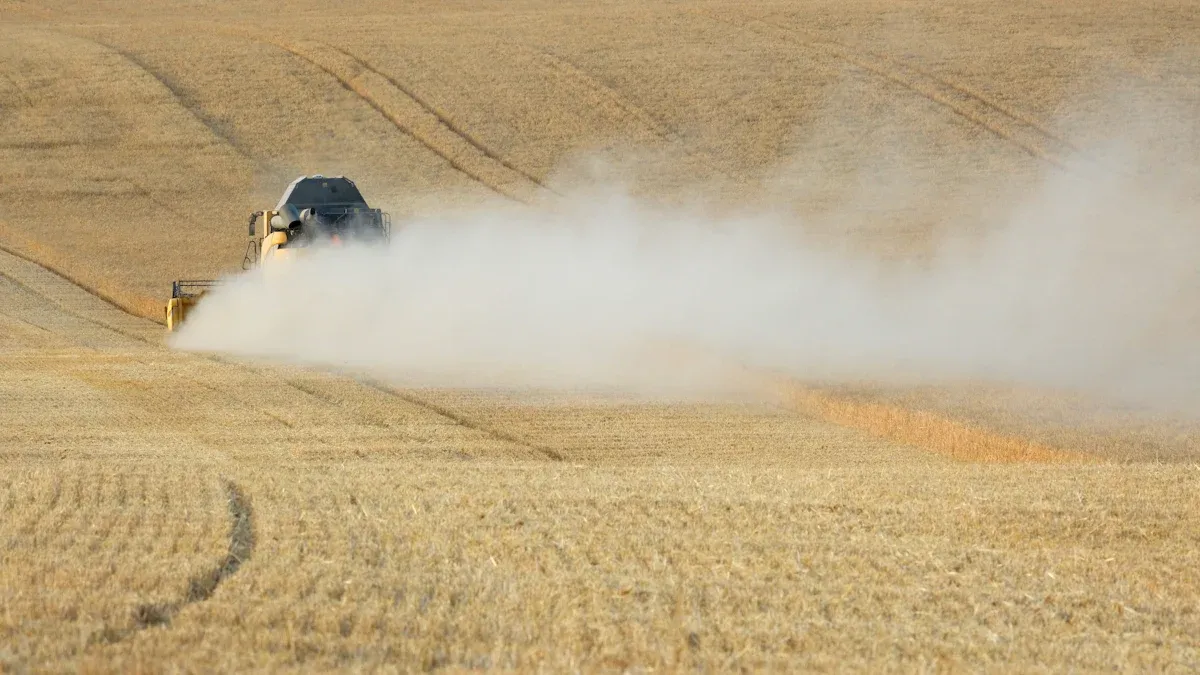
Large commercial properties need reliable irrigation solutions. These places often cover huge areas and face unique watering challenges. Shopping centers, golf courses, sports fields, and public parks all benefit from commercial-grade systems. These systems handle tough jobs and keep landscapes looking great.
- Sports fields
- Public parks
- Shopping centers
- Golf courses
Commercial-grade irrigation sprinkler systems help solve problems that big properties face. Take a look at some common challenges and how these systems address them:
| Challenge | Solution Provided by Commercial-Grade Systems |
|---|---|
| Water management | Smart irrigation controllers and moisture sensors adjust schedules |
| System maintenance | Regular inspections to identify leaks and misalignments |
| Environmental adaptation | Use of heat-resistant materials and winterization practices |
| Efficient water usage | Upgrading to modern, water-efficient solutions |
These systems use smart technology and strong materials. They help property owners save water, reduce costs, and keep landscapes healthy.
Sports Fields and Parks
Sports fields and parks need special care. Turf managers want safe, green, and game-ready fields. Commercial-grade irrigation sprinkler systems play a big role in keeping grass healthy and strong.
- High-quality irrigation components keep sports fields safe for players.
- Turf managers focus on player safety, field appearance, and cost.
- Efficient watering practices help maintain turf quality.
- Lush, vibrant fields support team performance.
- Reliable watering systems make fields look great and ready for games.
- Dependable water systems keep playing areas in top shape.
- High-quality irrigation systems transform fields and boost performance.
These systems use advanced controls and sensors. They adjust watering based on weather and soil conditions. Parks and sports fields stay green and safe for everyone.
Tip: Regular system checks and smart controllers help turf managers spot problems early and keep fields in top condition.
Agricultural and Specialized Applications
Farmers and growers need precise watering for crops. Commercial-grade irrigation sprinkler systems offer features that help plants grow better and use less water.
| Feature | Description |
|---|---|
| Subsurface Dripline Networks | Delivers water directly to the root zone, hidden underground for aesthetic appeal and protection from damage. |
| Heavy-Duty Drip Tape for Row Crops | Durable tape for large-scale plantings, offering versatility in installation and significant labor savings. |
| Pressure-Compensating Emitter Tubing | Maintains consistent water delivery across varying elevations, ensuring uniform plant growth. |
| Smart Sensor-Integrated Drip Zones | Automatically adjusts watering schedules based on environmental conditions, reducing water waste and improving health. |
| Micro-Spray & Fan-Stake Hybrid Systems | Combines drip and micro-spray technologies for efficient irrigation of diverse landscapes. |
Precision irrigation systems use sensors and automation. They deliver water and nutrients exactly where needed. This approach improves crop health and yield. Farmers see benefits like:
- Controlled and uniform water application for better crops.
- Water conservation with soil moisture sensors.
- Consistent water delivery increases crop yields and quality.
- Reduces water use by up to 50% compared to older methods.
- Increases crop yields by 20-30% with precise water and nutrient delivery.
- Healthier plants mean better crop quality.
Property Managers and Business Owners
Property managers and business owners want landscapes that look good and cost less to maintain. Commercial-grade irrigation sprinkler systems help them reach these goals. They consider many factors when choosing a system:
- Water source and soil type affect system choice.
- Property size and layout decide how complex the system needs to be.
- Local climate matters, especially in dry or rainy areas.
- Large landscapes need broad coverage, while small areas may use drip irrigation.
- Slope impacts watering efficiency.
- Water availability and climate drive the need for efficient systems.
- Different plants need different watering methods.
A well-planned irrigation system saves time and money. Automated watering lets crews focus on making landscapes beautiful. Investing in the right system lowers risks of dead plants and water damage.
- Reduces time and labor for maintenance.
- Automation lets crews work on landscape design, not watering problems.
- Proper infrastructure keeps costs predictable and plants healthy.
- Zoning allows precise water control for better efficiency.
- Water conservation helps the environment and saves money.
Public spaces must follow strict rules for irrigation systems. These rules include:
- Pressure and flow measurements at design or installation.
- Rain, freeze, and wind sensors to stop watering in bad weather.
- Manual shut-off valves near the water supply.
- Backflow prevention devices to protect water quality.
- Flow sensors for large landscapes.
- Master shut-off valves for most projects.
- Systems must prevent runoff and overspray.
- Devices must meet ANSI standards.
- Sprinkler heads need a distribution uniformity of 0.65 or higher.
- Low-volume irrigation in mulched areas.
- Subsurface irrigation for narrow spaces.
- No overhead irrigation near non-permeable surfaces.
Commercial-grade irrigation sprinkler systems help property managers meet these requirements and keep landscapes healthy.
Commercial-grade irrigation sprinkler systems stand out for their strength and smart features. They pass rigorous testing and offer reliable support, making them perfect for large or demanding spaces.
| Feature | Commercial-Grade Sprinklers | Standard Systems |
|---|---|---|
| Rigorous Testing Standards | Yes | No |
| Designed for Durability | Yes | Limited |
| Technical Support Availability | High | Low |
These systems help save water, lower bills, and keep landscapes healthy for years.
FAQ
How much does a commercial-grade irrigation sprinkler system cost?
Prices vary. Most systems cost more than standard ones. Large properties may spend thousands. The final price depends on size, features, and installation needs.
Tip: Ask for a quote before starting any project.
Do commercial-grade sprinklers need special maintenance?
Yes, they need regular checks. Technicians inspect for leaks, clean filters, and test sensors. This keeps the system working well and saves water.
Can someone upgrade a standard system to commercial-grade?
Upgrading is possible. Many people replace old parts with stronger materials and smart controllers. A professional can help plan the best upgrade for any property.