


What Simple Steps Help Extend Your Irrigation Sprinkler’s Lifespan?
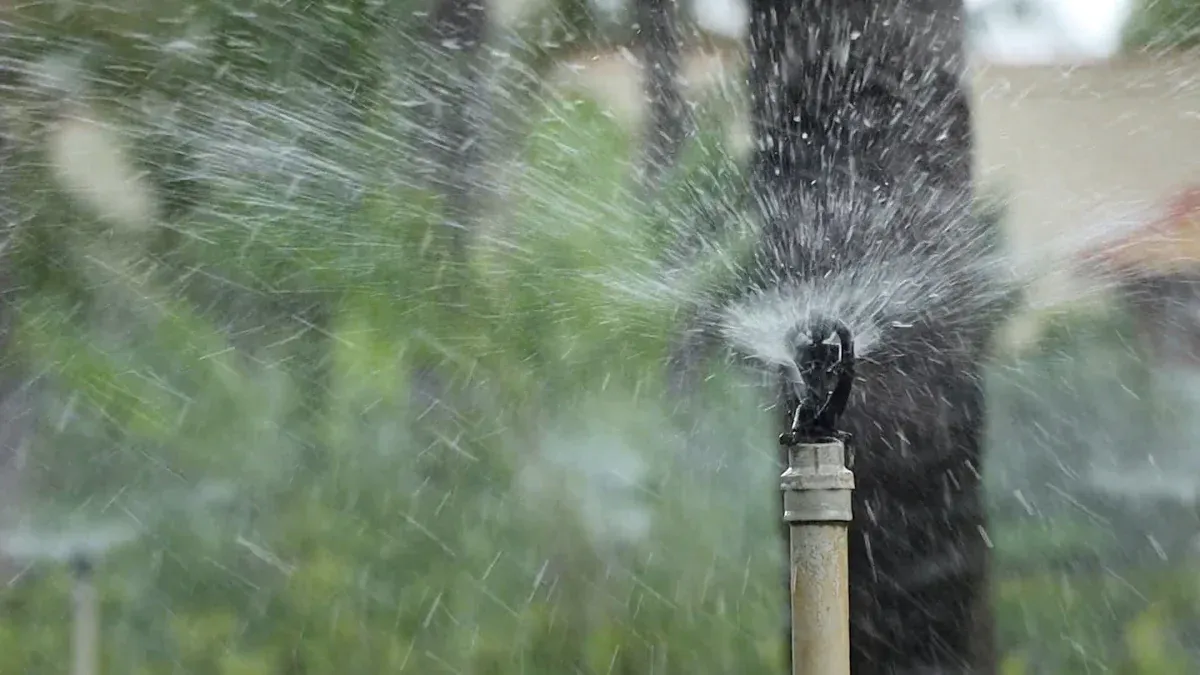
Regular care for an irrigation sprinkler keeps the system running smoothly. Simple habits like inspecting heads, cleaning debris, and checking pipes help prevent breakdowns. People who maintain their water lawn sprinkler save money each year.
| Type of Cost | Estimated Amount |
|---|---|
| Emergency repair costs | $1,000+ |
| Potential savings from early detection | $400+ |
| Annual water savings | $200 - $500 |
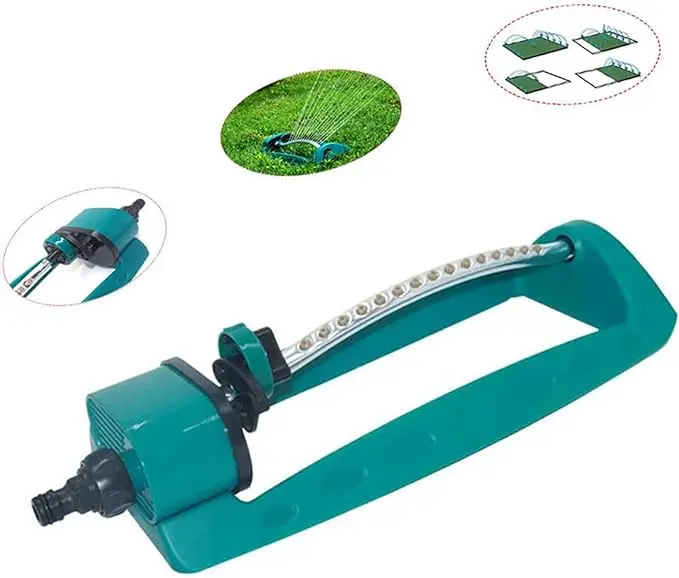
About 10% of garden sprinkler failures happen because owners skip maintenance. Even an oscillating sprinkler lasts longer with routine checks. A healthy lawn sprinkler means fewer repairs and greener grass.
Key Takeaways
- Regular inspections of your irrigation system can prevent costly repairs and ensure efficient water usage.
- Cleaning and adjusting sprinkler heads at least once a year helps maintain even water coverage and prevents clogs.
- Adjusting watering schedules according to seasonal changes conserves water and promotes healthy plant growth.
Inspect Your Irrigation Sprinkler System Regularly
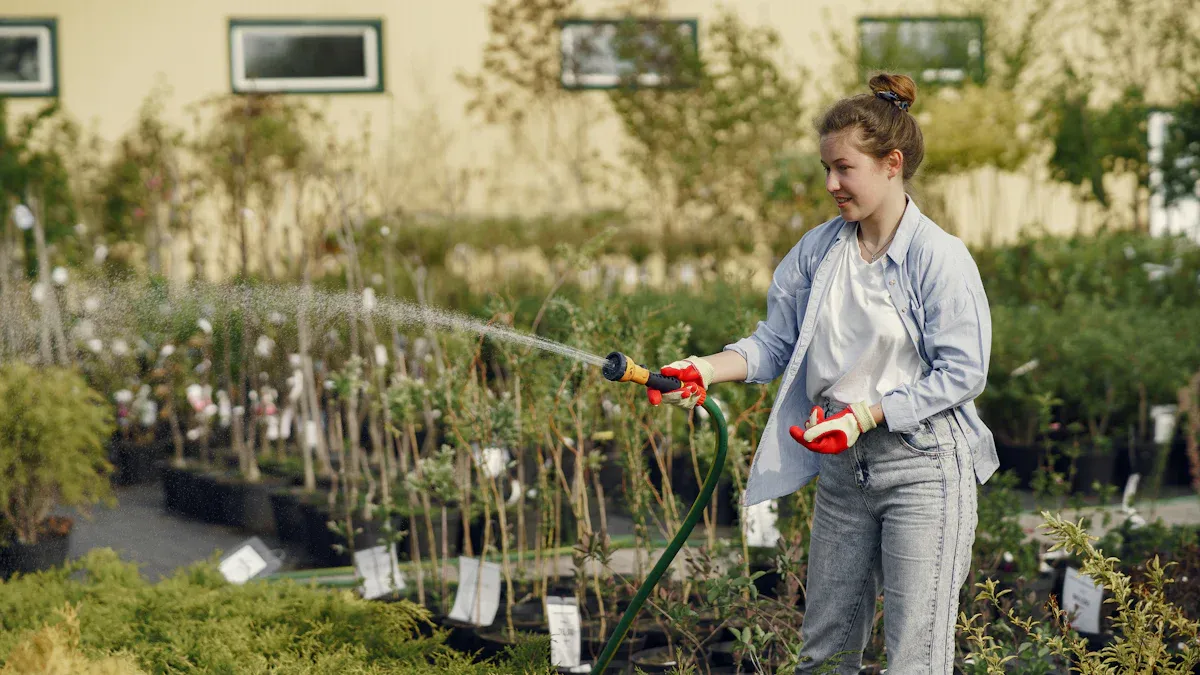
Routine inspection helps keep an Irrigation Sprinkler working at its best. Industry experts recommend different inspection intervals depending on the system and environment. Here’s a quick look at how often checks should happen:
| Inspection Frequency | Description |
|---|---|
| Annual Inspections | Needed for most systems, often done by professionals. |
| Quarterly Inspections | Important for places with higher risks or complex setups. |
| Monthly Inspections | Useful for checking control valves and alarms. |
| Weekly Inspections | Best for high-hazard areas and specific system parts. |
| Obstruction Inspections | Every five years, check for blockages in pipes. |
Check for Leaks and Water Pressure
Leaks and water pressure problems can sneak up on any lawn. They often show up as soggy spots, puddles, or even higher water bills. People should look for these signs:
- Damaged sprinkler heads
- Unexplained puddles or saturated areas
- Malfunctioning valves
- Wet spots away from sprinkler heads
- Erratic water spraying
- Unusually high water bills
- Dead or wilted plants
- Visible damage to equipment
- Mold or mildew growth
Regular checks help spot these issues early. Homeowners who catch leaks quickly save money and keep their landscape healthy.
Spot Broken or Clogged Sprinkler Heads
Sprinkler heads can break or clog from dirt, debris, or wear. When this happens, water coverage becomes uneven. The table below shows how maintenance affects the lifespan of different sprinkler heads:
| Type of Sprinkler Head | Average Lifespan (Years) | Maintenance Condition |
|---|---|---|
| Pop-Up | 5 to 10 | Well-maintained |
| Rotor | 7 to 15 | Well-maintained |
| Impact | Up to 20 | Well-maintained |
| Pop-Up | Less than 5 | Neglected |
| Rotor | Less than 7 | Neglected |
| Impact | Less than 10 | Neglected |
People who inspect and clean heads regularly enjoy longer-lasting systems.
Look for Misaligned Sprays
Misaligned sprays waste water and leave dry patches. Sprinkler heads may shift from lawnmowers, pets, or weather. Homeowners should watch for uneven coverage or water spraying onto sidewalks. Fixing misaligned sprays keeps every part of the lawn green and healthy.
Tip: Timely maintenance stops small problems from turning into big repairs. Early detection means less stress and more savings.
Clean and Adjust Irrigation Sprinkler Heads
Remove Dirt and Debris
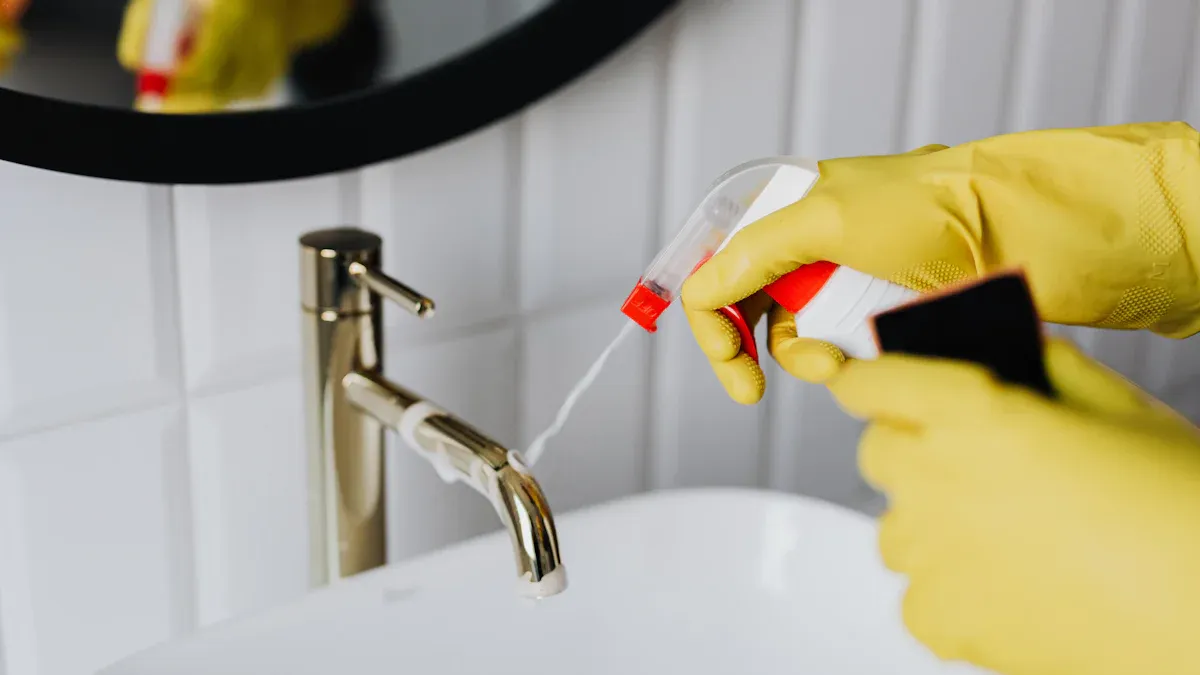
Sprinkler heads collect dirt, grass clippings, and even small rocks over time. These blockages can cause weak spray patterns or dry spots on the lawn. People who clean their sprinkler heads at least once a year help prevent clogs and keep water flowing smoothly. During regular use, checking for clogged heads is also a smart habit.
To clean sprinkler heads without causing damage, they often use simple tools:
- Screwdriver for removing and reinstalling heads
- Needle-nose pliers to pull out stuck debris
- Bucket of water for rinsing parts
- Soft brush or toothbrush for scrubbing away grime
- Toothpicks or small wire to unclog tiny holes
- Rubber gloves to protect hands
- Mild dish soap or vinegar for soaking stubborn buildup
Routine maintenance, like inspecting and rinsing nozzles, helps stop clogs before they start. Some people soak nozzles in vinegar to dissolve mineral deposits. Flushing the system and using filtration traps debris before it reaches the heads.
Tip: Inspect sprinkler heads every season. If the spray looks weak or uneven, rinse the nozzle or soak it in vinegar to clear out dirt.
Adjust Spray Patterns for Even Coverage
Spray patterns can shift after mowing, weather changes, or kids playing in the yard. When sprinkler heads point the wrong way, water misses some spots and floods others. People who adjust spray patterns make sure every part of the lawn gets enough water.
If spray patterns stay misaligned, several problems can happen:
- Dry spots appear where water does not reach
- Overwatering wastes water and stresses plants
- Water usage becomes inefficient
Checking and adjusting spray patterns keeps the lawn healthy and saves water. People who spot weak sprays or puddles often find that a quick adjustment solves the problem.
Maintain Irrigation Sprinkler Valves and Pipes
Inspect for Cracks or Damage
Valves and pipes are the backbone of any irrigation sprinkler system. They need regular checks to keep everything running smoothly. Cracks and damage often show up after cold weather. When water freezes inside valves or pipes, it can cause them to crack or burst. This problem is common in PVC and polyethylene pipes. Backflow preventers and sprinkler heads can also suffer from freezing.
Here are some common issues to watch for:
- Cracked valves from freezing water
- Burst pipes after a cold snap
- Broken backflow preventers
- Valves that do not open or close right
A broken valve can block water flow. Sometimes, it lets water leak out, which wastes water and can damage the lawn. Regular inspections help catch these problems early. People should replace worn-out valves right away. Using check valves can also help stop leaks and keep the system efficient.
Tip: Check pipes and valves before each watering season. Early repairs save money and prevent bigger headaches later.
Test for Proper Water Flow
Testing water flow makes sure every part of the yard gets enough water. People can follow a few simple steps:
- Run each irrigation zone. Watch for broken sprinklers, low pressure, or water spraying in the wrong direction.
- Place small cans or cups in a grid across the lawn. Run the system for about 30 minutes. Measure the water in each can to see if the coverage is even.
- Calculate the average water depth. This helps spot dry spots or areas that get too much water.
A basic irrigation audit every spring helps find problems before the growing season starts. This routine keeps the irrigation sprinkler system working well and the lawn looking its best.
Set and Adjust Irrigation Sprinkler Watering Schedules
Match Watering to the Season
Every season brings new challenges for lawns and gardens. People who adjust their watering schedules help their plants stay healthy all year. In summer, plants need more water because of heat and longer days. Watering early in the morning or late in the evening helps reduce evaporation. During fall, cooler weather means less water is needed. Homeowners should check and clean their systems, then adjust the controller for shorter watering times. Winter calls for protecting the system from freezing and preparing for spring.
Some best practices include:
- Monitoring soil moisture levels often
- Considering local weather patterns before watering
- Using mulch to keep soil moist
- Installing rain or freeze sensors to prevent watering during storms or cold snaps
These habits help conserve water, save money, and keep lawns looking their best.
Avoid Overwatering and Underwatering
Finding the right balance is key. Too much water can cause shallow roots, root rot, and attract pests. Too little water leads to weak roots and wilted grass. Consistent schedules help plants get just what they need.
| Risk Type | Overwatering | Underwatering |
|---|---|---|
| Root System | Causes shallow roots and potential root rot | Weakens roots, making them vulnerable to diseases |
| Plant Health | Promotes fungi growth and increases pests | Causes wilting and loss of natural defenses |
| Nutrient Access | Limits access to nutrients during water restrictions | Reduces overall plant health |
People who use deep, infrequent watering encourage strong roots and drought resistance. Regular checks and professional servicing keep the irrigation sprinkler system efficient and long-lasting.
Tip: Adjusting watering schedules with the seasons and using sensors helps prevent both overwatering and underwatering.
Prepare Your Irrigation Sprinkler for Seasonal Changes
Winterize Your System
When cold weather arrives, homeowners need to protect their irrigation sprinkler from freeze damage. Winterizing the system keeps pipes and valves safe until spring. Here are the main steps:
- Turn off the water supply to the system.
- Drain all water from the pipes using a blowout method or manual drain.
- Insulate exposed pipes and above-ground components.
- Shut off and unplug the automatic controller.
- Drain and insulate the backflow preventer.
- Inspect and clean sprinkler heads, valves, and nozzles.
- Disconnect and store removable hoses or drip lines.
- Cover outdoor spigots and hose bibs.
- Schedule professional help if unsure about any step.
Tip: Winterizing prevents cracks and bursts that can lead to expensive repairs in spring.
Spring Start-Up Tips
Spring brings new growth, but it also means checking the irrigation system before the first watering. Many people make mistakes during start-up, so a careful approach helps avoid problems.
- Wait until the ground is fully thawed before turning on the water.
- Open the main valve slowly to prevent water hammer, which can damage pipes.
- Check for misaligned or sunken sprinkler heads. Frost and ground settling can move them.
- Inspect for leaks at heads and fittings.
- Remove any debris or residue from nozzles and lines.
- Look for damage from snowplows or winter weather.
| Seasonal Task | Impact on Lifespan |
|---|---|
| Spring Inspection | Finds and fixes winter damage, preventing future issues |
| Cleaning and Unclogging Nozzles | Keeps water flowing evenly, reducing wear |
| Winter Shutdown | Stops freeze damage, keeps system ready for spring |
A little seasonal care helps the irrigation sprinkler last longer and keeps the lawn looking great.
Know When to Call an Irrigation Sprinkler Professional
Signs You Need Expert Help
Sometimes, a homeowner faces problems that regular maintenance cannot fix. Certain warning signs mean it is time to call a professional. These signs include uneven water distribution, poor water pressure, and water pooling in the yard. Sprinkler heads that do not pop up or spray in the wrong direction also signal trouble. Unusual sounds or timers that act up may point to deeper issues.
| Indicator | Description |
|---|---|
| Uneven Water Distribution | Areas with greener or browner grass show water is not reaching every spot. |
| Poor Water Pressure | Weak spray patterns and heads that barely pop up need attention. |
| Water Pooling | Wet spots or standing water after irrigation cycles waste water and harm the lawn. |
| Malfunctioning Sprinkler Heads | Heads that do not work or spray incorrectly often need repairs. |
| Hidden Warning Signs | Inconsistent timers and strange noises may mean bigger problems. |
- Gradual increases in water bills can mean leaks or inefficiencies.
- Landscape damage may lead to costly replacements.
- Emergency repairs often cost much more than regular maintenance.
Tip: If a homeowner notices any of these signs, calling a professional saves time and money.
Choosing a Reliable Service
Finding a trustworthy irrigation sprinkler expert helps avoid future headaches. Homeowners should look for providers who offer clear warranties and explain coverage details. Reliable companies perform visual inspections, check water pressure, measure soil moisture, and evaluate system performance.
| Diagnostic Method | Importance |
|---|---|
| Visual Inspection | Checks system condition |
| Water Pressure Check | Ensures proper function |
| Soil Moisture Measurement | Determines irrigation needs |
| System Performance Evaluation | Finds inefficiencies and maintenance needs |
- Ask for references from the provider.
- Contact previous clients to learn about their experiences.
- Read testimonials that mention reliability and service quality.
Professionals with certifications such as CIT, CLIA, CIC, CID, or CLWM show advanced skills and knowledge. These credentials prove they know how to install, audit, design, and manage irrigation systems.
Note: Choosing a certified expert means better service and peace of mind.
Regular care keeps any irrigation sprinkler system running longer and saves money. Homeowners who stay proactive enjoy these benefits:
- Save up to 30% on water bills by fixing leaks and calibrating heads.
- Promote deeper root growth and prevent brown patches.
- Maximize watering efficiency and reduce water waste.
Consistent maintenance also protects the environment by preventing runoff and nutrient leaching. Healthy lawns and efficient systems start with simple habits.
FAQ
How often should someone check their sprinkler system?
Most experts suggest checking the system once a month during the watering season. Regular checks help catch small problems before they become big repairs.
What tools help clean sprinkler heads?
People often use a soft brush, a small screwdriver, or a toothpick. These tools remove dirt and debris without damaging the sprinkler head.
Can a homeowner fix a broken sprinkler head?
Yes, many homeowners replace or clean broken heads themselves. If the problem seems complicated, they should call a professional for help.