


Which garden watering tools work best for lawns, flower beds, and vegetable gardens?
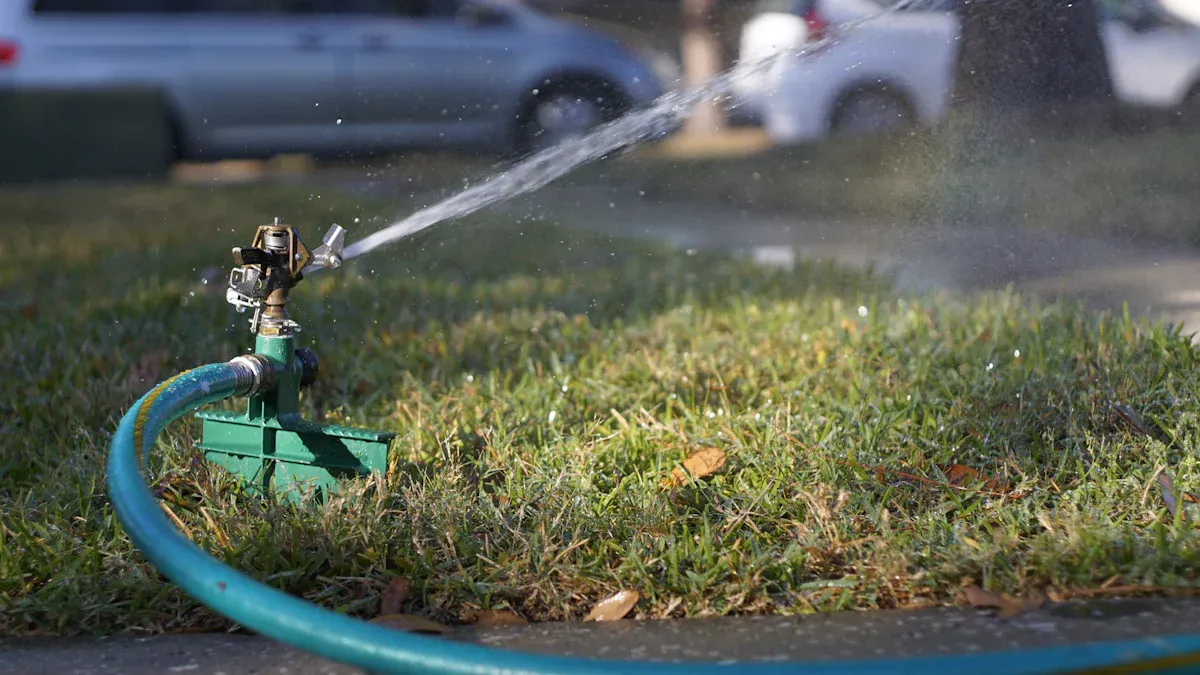
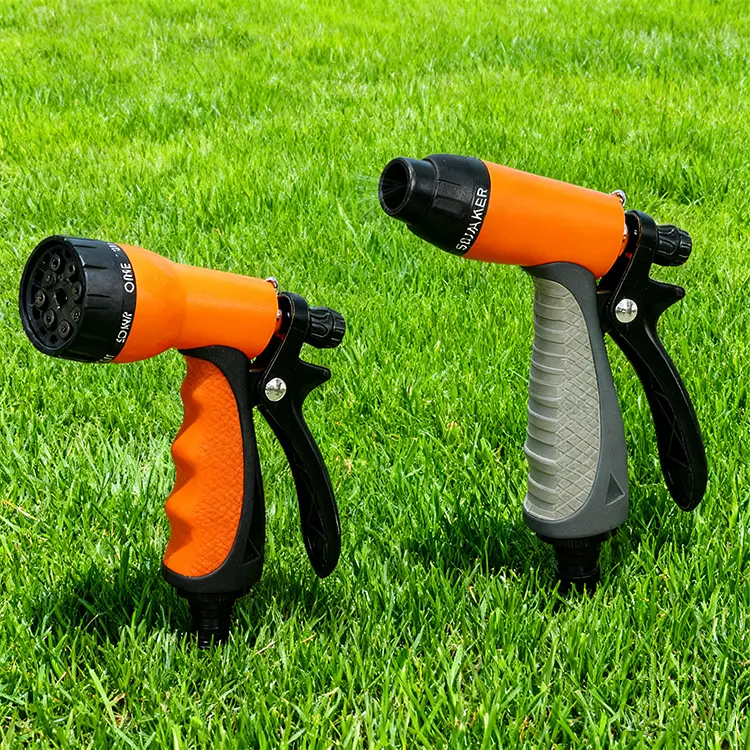
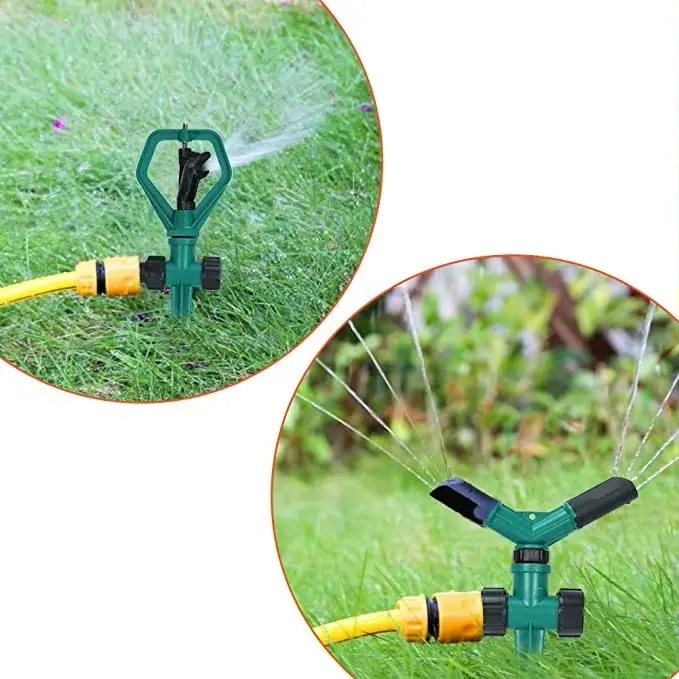
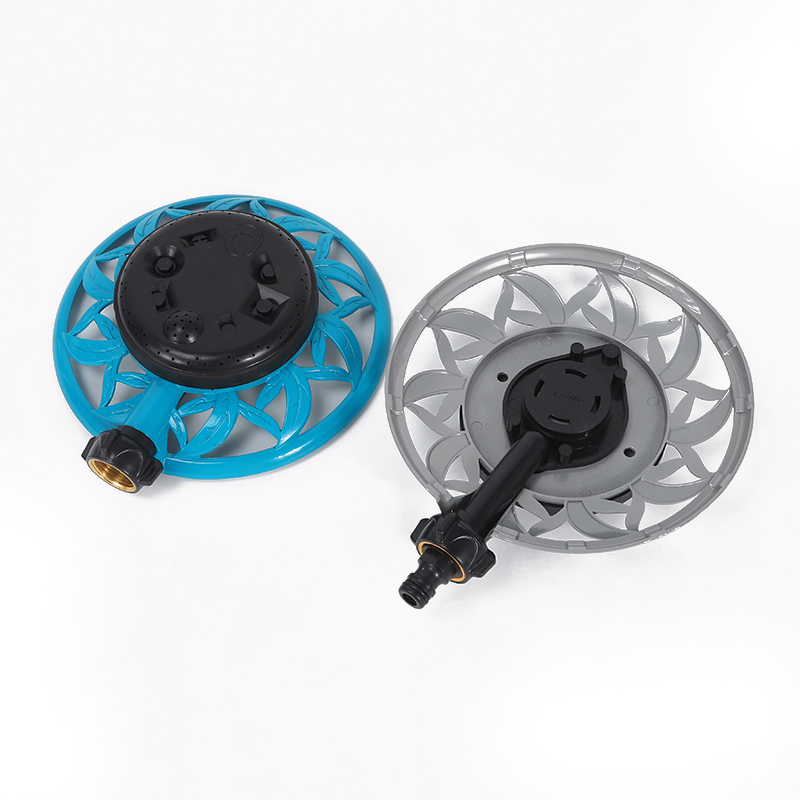
Every gardener wants healthy plants, but picking the right garden watering tools makes all the difference. Homeowners often rely on an automatic lawn sprinkler or a water lawn sprinkler to cover big grassy spaces with ease. Flower beds thrive when someone uses a garden watering gun or an atomizing sprinkler for gentle care. Vegetable gardens respond best to slow, steady watering at the roots.
The right watering method can help plants grow stronger and save water at the same time.
Key Takeaways
- Use sprinklers for lawns to cover large areas evenly and support deep root growth, but avoid overwatering by zoning your lawn and adjusting for soil and water pressure.
- Choose soaker hoses or watering wands for flower beds to deliver gentle, precise watering that protects delicate plants and reduces water waste.
- Drip irrigation systems work best for vegetable gardens by delivering water directly to roots, saving water and preventing plant diseases.
- Water early in the morning to reduce evaporation and disease risk, and use mulch to keep soil moist and lower watering needs.
- Regularly maintain your watering tools and consider smart timers or controllers to save water, time, and money while keeping plants healthy.
Garden Watering Tools for Lawns
Sprinklers: Broad and Even Coverage
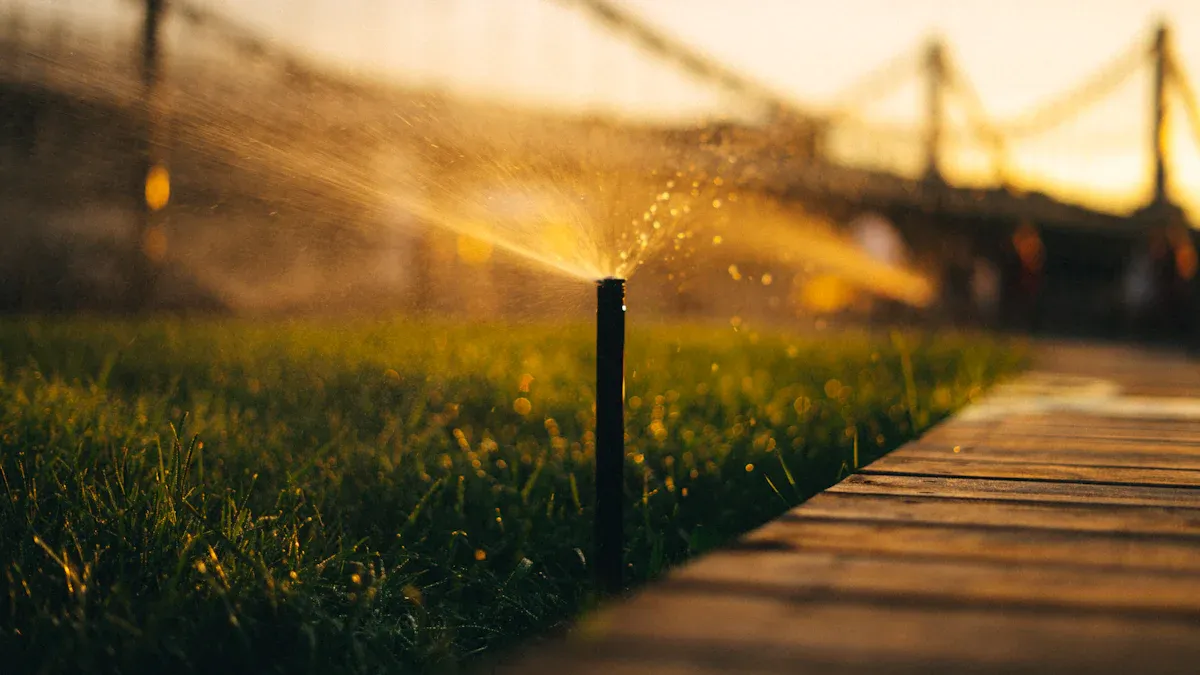
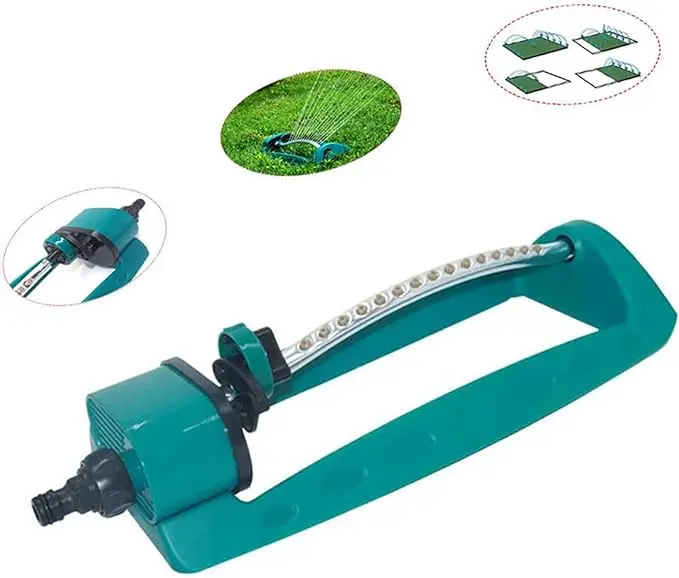
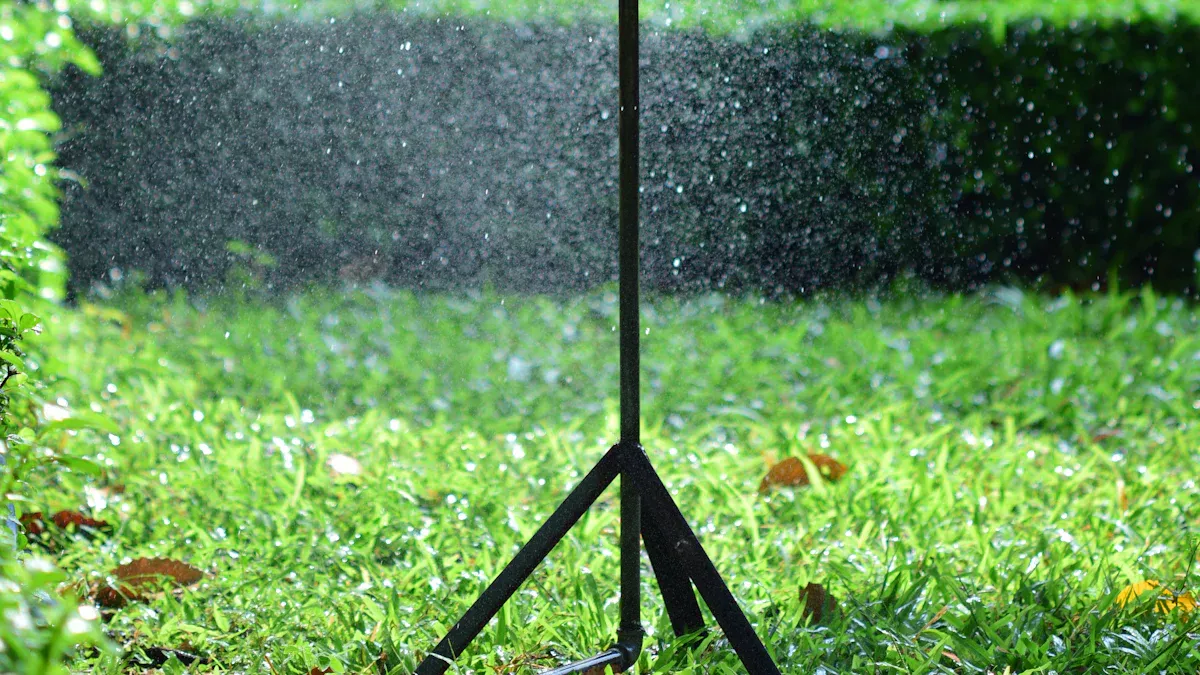
Sprinklers remain a top choice for watering lawns because they deliver water evenly across large areas. Homeowners appreciate how sprinklers can cover thousands of square feet with minimal effort. A well-placed sprinkler system helps grass stay green and healthy, even during dry spells. Many people now choose smart sprinkler controllers, which use weather data and smartphone apps to adjust watering schedules. These smart systems help save water and keep lawns looking their best, even when local watering restrictions change.
Tip: Smart sprinklers can automatically skip watering after rain, saving both water and money.
Sprinklers work best for lawns because they mimic rainfall. They spread water over the entire surface, reaching every blade of grass. This method supports deep root growth and prevents dry patches. However, sprinklers can lose water to evaporation and runoff, especially on hot or windy days. Newer Sprinkler Nozzles and pressure adjustments can help reduce these losses, making watering more efficient.
Types of Sprinklers for Lawns
Choosing the right sprinkler depends on lawn size, shape, and water pressure. Each type offers unique benefits:
| Sprinkler Type | Spray Pattern | Coverage Area | Pros | Cons |
|---|---|---|---|---|
| Oscillating | Rectangular | Up to 4,000 sq. ft. | Gentle on new grass, adjustable, portable | Wind affects spray, may need moving |
| Rotary | Circular | Up to 3,000 sq. ft. | Even coverage, good for slopes | Misses corners, fewer adjustments |
| Stationary | Fixed (varied) | Up to 1,800 sq. ft. | Low cost, simple, works with low pressure | Small area, needs frequent moving |
| Impact | Circular | Large areas | Reliable, handles tough conditions | Noisy, less precise |
| Smart | Varies | Customizable | Automated, water-saving, app control | Higher upfront cost |
| In-ground | Customizable | Large lawns | Hidden, convenient, adds home value | Expensive to install, needs planning |
| Portable | Varies | Flexible | Easy to move, affordable | Manual setup, less automation |
Oscillating sprinklerssuit rectangular lawns and young grass. Rotary sprinklers work well for medium lawns and uneven ground. Stationary sprinklers fit small or oddly shaped lawns. Impact Sprinklers handle large spaces and tough conditions. Smart and in-ground systems offer automation and convenience, especially for busy homeowners.
Pros and Cons of Sprinklers
Sprinklers offer many advantages, but they also come with a few drawbacks. Here is a quick look at the main points:
| Pros | Cons |
|---|---|
| Easy to automate with timers or smart controllers | High installation cost for in-ground or smart systems |
| Even coverage for large lawns | Water loss from evaporation and runoff |
| Supports healthy, green grass | Risk of overwatering if not managed carefully |
| Saves time and effort | Repairs and seasonal maintenance needed |
| Can increase home value | May water sidewalks or driveways by mistake |
Sprinklers make lawn care easier and more consistent. Automated systems let homeowners water at the best times, like early morning, without lifting a finger. However, sprinklers can waste water if not set up correctly. Overwatering leads to shallow roots and higher bills. Regular checks and smart technology help avoid these problems.
Note: The most common mistake with Garden Watering Tools is overwatering. Deep, infrequent watering encourages stronger roots and healthier grass.
Tips for Using Sprinklers on Lawns
Sprinklers can make lawn care simple, but a few smart habits help homeowners get the best results. Many people set up their sprinklers and forget about them, but lawns need a little more attention for healthy, green grass.
1. Plan and Zone the Lawn
Treating the entire lawn as one big area often leads to dry spots or soggy patches. Homeowners should divide their lawns into zones based on sun exposure, slope, and plant type. Each zone may need a different amount of water. Planning zones helps every part of the lawn get just what it needs.
2. Choose the Right Sprinkler Heads
Not all sprinkler heads work the same way. Using mismatched types can cause some areas to flood while others stay dry. Homeowners should match sprinkler heads to the size and shape of each zone. Rotary heads work well for large, open spaces, while fixed heads suit smaller or oddly shaped areas.
3. Adjust for Soil and Water Pressure
Soil type matters. Sandy soil drains quickly and needs shorter, more frequent watering. Clay soil holds water longer and benefits from slow, deep watering. Homeowners should also check water pressure. High pressure can damage sprinkler heads and cause uneven coverage. Pressure regulators help keep things balanced.
4. Avoid Common Mistakes
Many homeowners make the same mistakes with sprinklers. Here are some to watch out for:
- Ignoring the layout and skipping zoning
- Forgetting to test soil type before setting schedules
- Overwatering, which can lead to root rot and wasted water
- Not adjusting sprinklers for weather or season changes
- Placing sprinklers too close to buildings or sidewalks
- Failing to install rain sensors, causing sprinklers to run during rain
- Neglecting regular maintenance, leading to leaks or blockages
Tip: Deep, infrequent watering encourages strong roots and saves water. Most lawns need about one inch of water per week, including rainfall.
5. Maintain and Protect the System
Regular maintenance keeps sprinklers working well. Homeowners should:
- Check for leaks and tighten or replace parts as needed
- Clean filters to prevent clogs
- Mark sprinkler heads to avoid damage from mowers or foot traffic
- Drain pipes and insulate components before winter
- Use high-quality materials to prevent breaks and leaks
6. Use Smart Features and Automation
Automated systems and smart controllers make watering easier. These tools adjust schedules based on weather and soil moisture. Rain sensors stop sprinklers from running during storms. Timers help water early in the morning, when evaporation is low.
Note: Local rules may limit watering days or times. Homeowners should check regulations to avoid fines and save water.
7. Consult Professionals When Needed
Some lawns have tricky slopes, odd shapes, or special needs. In these cases, a professional can help design and install the best system. They can also test water pressure, recommend the right garden watering tools, and set up zoning for efficient coverage.
A little planning and care go a long way. With the right habits, sprinklers keep lawns healthy, green, and beautiful all season long.
Garden Watering Tools for Flower Beds
Flower beds need a gentle touch. The right garden watering tools help flowers bloom without damaging delicate stems or washing away soil. Two favorites for flower beds are soaker hoses and watering wands. Each offers unique benefits for keeping plants healthy and vibrant.
Soaker Hoses: Deep, Gentle Watering
Soaker hoses work like magic for flower beds. They look like regular hoses, but tiny pores let water seep out slowly along their entire length. This slow release means water goes straight to the roots, where flowers need it most. Unlike traditional hoses that pour water in one spot, soaker hoses spread moisture evenly across the bed.
A standard soaker hose delivers about 0.5 gallons per minute, or roughly 30 gallons per hour. This steady flow helps prevent runoff and evaporation, making watering more efficient. Gardeners can lay soaker hoses on top of the soil or bury them under mulch for even better results.
Horticultural experts say soaker hoses keep leaves dry, which helps prevent fungal diseases. Watering at the root zone also means fewer weeds, since weed seeds on the surface stay dry.
Soaker hoses fit almost any garden shape. They curve around plants and tuck into tight spaces. Many gardeners love that these hoses use eco-friendly materials and need little maintenance. Just roll them up at the end of the season to keep them in good shape.
Some key benefits of soaker hoses for flower beds include:
- Uniform water distribution for all plants
- Improved water efficiency with less waste
- Adaptability for different garden layouts
- Gentle watering that protects soil structure
- Low maintenance and easy setup
Watering Wands: Precision and Control
Watering wands give gardeners total control. These tools attach to a regular hose and feature a long, slim handle—often about 18 inches. The extended reach lets gardeners water the base of plants without bending or stepping into the bed. This is perfect for reaching under tall blooms or into crowded corners.
A watering wand usually has a comfortable grip to reduce hand fatigue. Many models include a built-in shut-off valve and flow control, so gardeners can adjust the water exactly as needed. The nozzle often offers several spray patterns, from a gentle mist for seedlings to a focused stream for deep roots.
- The long wand reaches tricky spots without crushing plants.
- Adjustable spray patterns suit different flower types.
- Flow control saves water and prevents overwatering.
- The soft grip makes long watering sessions easier.
Tip: Watering wands help gardeners inspect flowers up close. They can spot pests, check for disease, or see if a plant needs staking—all while watering.
Pros and Cons of Flower Bed Tools
Choosing between soaker hoses and watering wands depends on the gardener’s style and the needs of the flower bed. Here’s a quick look at the main pros and cons:
| Aspect | Pros | Cons |
|---|---|---|
| Precision | Allows watering directly at the plant base, reducing evaporation and fungus risk. | N/A |
| Water Usage | Uses less water than sprinklers by minimizing drift and evaporation. | N/A |
| Timing Flexibility | Can water at any time of day without risk of evaporation or fungal growth on leaves. | N/A |
| Plant Inspection | Enables close examination of plants for pests, diseases, or staking needs. | N/A |
| Suitability | Good for potted plants and container gardens, ensuring thorough watering. | N/A |
| Physical Effort | N/A | Hoses can be unwieldy, heavy, and cause fatigue in hand, wrist, and arm. |
| Time Consumption | N/A | Hand watering is time-consuming compared to automated irrigation systems. |
Soaker hoses save time and water, especially for larger beds. Watering wands offer more control and let gardeners care for each plant individually. Both tools help keep flower beds healthy, but each comes with its own set of challenges. Some gardeners even use both, switching between them as needed.
Remember: The best garden watering tools for flower beds are the ones that fit the gardener’s habits and the garden’s layout.
Tips for Watering Flower Beds
Watering flower beds may seem simple, but a few smart habits can make a big difference. Healthy flowers need the right amount of water at the right time. Many gardeners find that small changes in their routine help flowers bloom longer and look brighter.
Here are some expert-backed tips for watering flower beds:
-
Water Deeply, Not Just the Surface
Shallow watering only wets the top layer of soil. Flowers need water to reach their roots, about six inches deep. Deep watering encourages roots to grow strong and healthy. Gardeners often check soil moisture by sticking a finger into the dirt. If the soil feels dry at two inches, it’s time to water. -
Water Early in the Morning
Early morning, between 5:00 AM and 9:00 AM, is the best time to water. Cooler temperatures mean less water evaporates. Plants also have time to dry before nightfall, which helps prevent fungal diseases. -
Use Efficient Garden Watering Tools
Soaker hoses and drip irrigation systems deliver water right to the roots. These garden watering tools reduce evaporation and keep leaves dry. For small beds or containers, a watering wand gives precise control. Smart irrigation systems with weather sensors can adjust watering schedules automatically, saving both water and effort. -
Mulch to Lock in Moisture
A layer of mulch, such as shredded bark or pine needles, helps soil stay cool and moist. Mulch also keeps weeds down and reduces how often gardeners need to water. Most experts recommend two to three inches of mulch around flowers, but not touching the stems. -
Adjust for Weather and Plant Needs
Rainy weeks mean less watering. Hot, windy days dry out soil faster, so flowers may need extra attention. Gardeners often check the weather forecast and adjust their watering schedule. Annual flowers usually need about one inch of water per week, while perennials and shrubs may need a bit more. -
Choose the Right Plants
Native and drought-resistant flowers use less water and handle dry spells better. These plants thrive with less care and help conserve water in the garden. -
Check and Maintain Irrigation Systems
Regularly inspect hoses, wands, and drip lines for leaks or clogs. A quick water audit helps spot problems and ensures every plant gets enough water.
🌱 Tip: Mulching and using efficient watering methods can cut water use by up to 50%. Healthy soil and smart garden watering tools keep flower beds thriving with less effort.
Quick Reference Table: Best Practices for Watering Flower Beds
| Practice | Why It Matters |
|---|---|
| Water early in the day | Reduces evaporation, prevents disease |
| Deep watering | Builds strong roots, supports healthy blooms |
| Use mulch | Retains moisture, cools soil, blocks weeds |
| Efficient tools | Saves water, targets roots, reduces waste |
| Adjust for weather | Prevents overwatering, saves resources |
Flower beds reward careful watering with vibrant color and lush growth. Gardeners who follow these tips enjoy healthier plants and use less water all season long.
Garden Watering Tools for Vegetable Gardens
Drip Irrigation Systems: Efficient Root Hydration
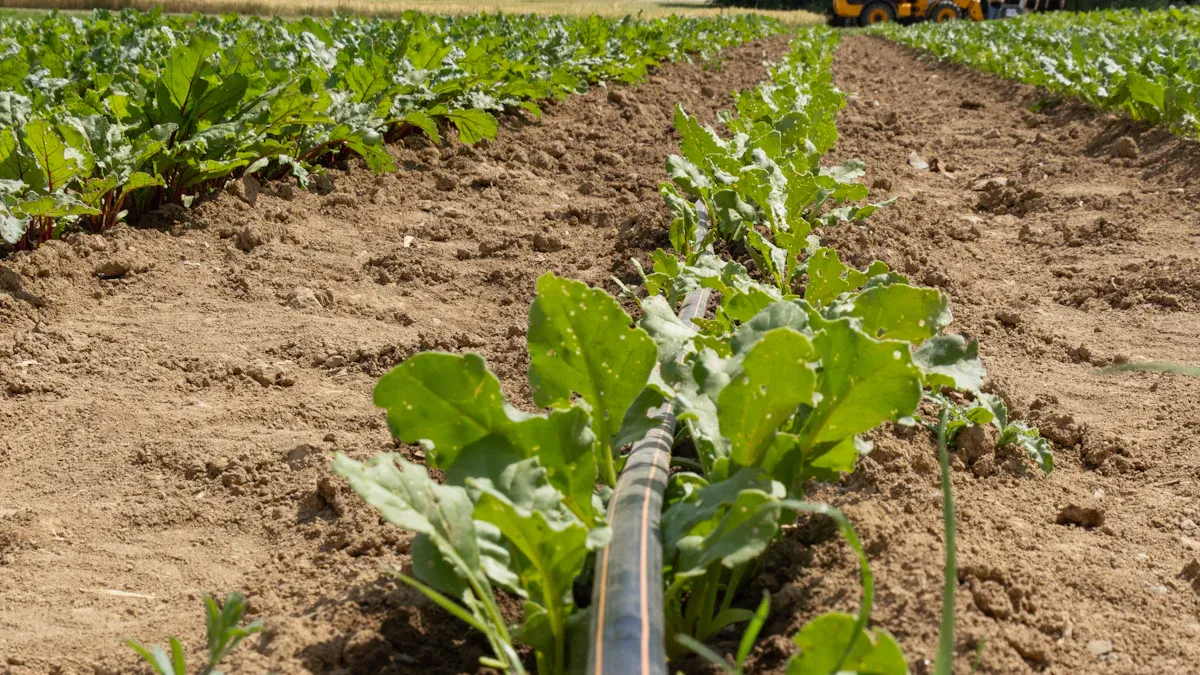
Drip irrigation stands out as one of the most efficient ways to water vegetable gardens. This system delivers water right to the base of each plant, keeping leaves dry and roots happy. Gardeners often notice healthier plants and fewer weeds because water goes only where it is needed.
Research from the University of Florida shows that drip irrigation can cut water use by half or even three-quarters compared to overhead watering. The Seasonal Homestead also points out that this method saves water by targeting the root zone and avoiding waste on paths or empty spaces. Less water means lower bills and a more eco-friendly garden.
A good drip irrigation system includes several key parts:
- Mainline pipes and sub-mainlines to move water through the garden
- Filters to keep dirt and debris from clogging emitters
- Pressure regulators to maintain steady, gentle water flow
- Timers for automatic watering, even when no one is home
- Drip tape or tubing with small holes that release water slowly
- Emitters that control how much water each plant gets
- Connectors, couplings, and end caps to keep everything secure
Proper planning makes a big difference. Gardeners should consider the size of the garden, the types of vegetables, and the water source. Soil type also matters, since sandy soil drains faster than clay. With the right setup, drip irrigation can last up to 15 years and handle gardens of any size or shape.
The initial cost for a drip system ranges from $300 to $800 for most home gardens. Larger or more advanced systems can cost more. Over time, the savings add up. Drip irrigation uses up to 60% less water, lowers energy bills, and reduces labor with automation. It also helps prevent plant diseases by keeping leaves dry and protects home foundations by maintaining steady soil moisture.
Tip: Drip irrigation works best when gardeners check filters and flush lines each season. This keeps water flowing and plants thriving.
Soaker Hoses as a Vegetable Garden Alternative
Soaker hoses offer a simple, budget-friendly option for watering vegetable gardens. These hoses have tiny pores that let water seep out along their length, creating a moist strip in the soil. Many gardeners like soaker hoses because they are easy to install and require no special tools.
Soaker hoses work well in straight rows or raised beds with closely spaced plants. They deliver water directly to the soil, which helps roots grow deep and strong. Foliage stays dry, so there is less risk of fungal diseases. Gardeners can use basic timers to automate watering, though soaker hoses do not offer as much customization as drip systems.
Here are some reasons gardeners choose soaker hoses:
- Quick and easy setup, perfect for beginners
- Affordable, with most hoses costing between $15 and $40
- Minimal maintenance—just drain before winter and check for clogs
- Good for small, level gardens or raised beds
However, soaker hoses have some limits. They do not work as well on slopes or in large gardens. The water delivery is less precise, so some areas may get more water than others. Sun exposure can also shorten the hose’s lifespan, usually lasting two to five years.
Note: Soaker hoses shine in small gardens with straight rows. For larger or more complex layouts, drip irrigation may be a better fit.
Pros and Cons of Vegetable Garden Tools
Choosing between drip irrigation and soaker hoses depends on the garden’s size, shape, and the gardener’s needs. Both tools help conserve water and keep plants healthy, but each has strengths and weaknesses.
| Feature | Drip Irrigation Advantages | Drip Irrigation Disadvantages | Soaker Hose Advantages | Soaker Hose Disadvantages |
|---|---|---|---|---|
| Precision | Customizable emitters allow precise watering of individual plants | Emitters spaced apart may miss seedlings slightly | Delivers water at soil line, keeps foliage dry | No individual emitters, less precise, encourages weeds |
| Efficiency | Highly water-efficient, conserves water | Higher initial cost | More efficient than sprinklers and hand watering | Less efficient than drip irrigation |
| Installation | Requires planning and time, but customizable | More complex installation | Quick and easy to install | Not suitable for large or sloped gardens |
| Durability & Repair | Repairable with splicing and plugs | Higher upfront cost | Affordable, easy to move | Less durable, UV susceptible, must replace if damaged |
| Suitability | Best for large, sloped, or multi-zone gardens | Cost and complexity | Best for small, level gardens and raised beds | Not ideal for slopes or large gardens |
| Disease Prevention | Keeps foliage dry, reduces fungal diseases | N/A | Keeps foliage dry, reduces fungal diseases | N/A |
Gardeners who want precise control and long-term savings often pick drip irrigation. Those who prefer a quick, low-cost solution for small gardens may choose soaker hoses. Both garden watering tools help vegetables grow strong and healthy, while saving water and time.
Tips for Watering Vegetable Gardens
Watering a vegetable garden seems simple, but a few smart habits can make a huge difference in plant health and harvest size. Many gardeners wonder how often and how much to water. The answer depends on the weather, soil, and the types of vegetables growing.
-
Water Deeply, Not Just the Surface
Shallow watering keeps roots near the surface, making plants weak and thirsty. Deep watering two or three times a week encourages roots to grow down, where soil stays moist longer. Most vegetable gardens need about one inch of water per week, but gardeners should adjust for rainfall and heat. -
Aim for the Root Zone
Watering at the base of each plant helps roots absorb moisture where they need it most. Overhead watering with sprinklers can leave leaves wet, which raises the risk of disease. Hoses, soaker hoses, or drip irrigation systems deliver water right to the soil. Hand-watering works well for small gardens or when drip systems are not available. -
Water Slowly and Evenly
A slow stream lets water soak in instead of running off. Gardeners often use a gentle flow or a soaker hose to give the soil time to absorb moisture. This method wastes less water and keeps roots happy. -
Pick the Right Time of Day
Early morning is the best time to water. Cooler air means less evaporation, and leaves dry quickly, which helps prevent disease. If mornings are not possible, evening works too, but leaves may stay wet overnight. -
Mulch to Lock in Moisture
Mulch acts like a blanket for the soil. It keeps the ground cool, holds in moisture, and blocks weeds. Gardeners spread two to three inches of straw, shredded leaves, or compost around plants. Mulching can cut watering needs in half. -
Adjust for Plant Needs and Weather
Some vegetables, like cucumbers and celery, need more water, especially when forming fruit. Others, such as beans and carrots, need extra moisture during flowering and root growth. Hot, windy days dry out soil faster, so gardeners should check soil moisture often. A rain gauge helps track rainfall and avoid overwatering. -
Keep Soil Moist for New Plants
Newly seeded or transplanted vegetables need steady moisture to get established. Gardeners water these areas every day or two until roots grow deeper.
🌱 Tip: Consistent moisture during critical growth stages, like flowering and fruiting, leads to bigger harvests and healthier plants.
Quick Reference Table: Vegetable Garden Watering Best Practices
| Practice | Why It Matters |
|---|---|
| Deep, infrequent watering | Builds strong roots, saves water |
| Water at root zone | Reduces disease, targets roots |
| Early morning watering | Lowers evaporation, keeps leaves dry |
| Mulch application | Holds moisture, cools soil, blocks weeds |
| Adjust for plant/weather | Prevents stress, supports growth |
| Monitor rainfall | Avoids overwatering, saves resources |
Gardeners who use the right garden watering tools and follow these tips often see healthier plants and bigger harvests. A little planning and attention go a long way in any vegetable garden.
Extra Tips for Efficient Garden Watering
Best Times to Water Your Garden
Choosing the right time to water makes a big difference in how much water plants actually get. Most gardeners find that early morning, before 10 AM, works best. The air feels cooler, and the wind stays calm, so water soaks deep into the soil instead of evaporating. Leaves dry quickly, which helps prevent fungal diseases. Evening watering, after 6 PM, also reduces evaporation, but it can leave leaves wet overnight, which may encourage disease.
Here’s a quick look at how morning and evening watering compare:
| Factor | Morning Watering (Before 10 AM) | Evening Watering (After 6 PM) |
|---|---|---|
| Water Efficiency | Minimal evaporation, maximum absorption | Low evaporation, but water stays on soil overnight |
| Disease Prevention | Foliage dries quickly, less fungal risk | Leaves stay wet, higher fungal risk |
| Plant Hydration | Prepares plants for daytime heat | Rehydrates plants, but leaves wet overnight |
| Weed Growth | Less weed germination | Can encourage weed seeds to sprout |
🌞 Tip: Watering in the early morning helps plants handle the heat and keeps them healthier all season.
Using Timers and Automation
Timers and automated systems take the guesswork out of watering. Many gardeners use battery-powered timers or smart controllers to set up watering schedules. These tools can start watering at dawn, which saves time and ensures plants get water when they need it most.
- Photo sensors can trigger watering at sunrise for the best results.
- Easy dial controls make setup quick and simple.
- Timers deliver consistent moisture, which helps all types of gardens.
- Battery-powered options work without wiring.
- Manual override lets gardeners water extra during dry spells.
Automated irrigation systems also allow gardeners to set different schedules for each zone. This means lawns, flower beds, and vegetable gardens all get the right amount of water. Consistent watering keeps plants strong and reduces stress.
Water Conservation Strategies
Saving water in the garden helps the environment and lowers utility bills. Freshwater is limited, so gardeners need to use it wisely. Experts recommend several simple strategies:
- Test soil to understand how much water it holds.
- Water during cooler, less windy times to reduce evaporation.
- Apply water directly to the roots, not the leaves.
- Use drip irrigation or trigger nozzles to control water flow.
- Mulch around plants to keep soil moist and block weeds.
- Monitor rainfall with a rain gauge and adjust watering as needed.
- Water slopes in short intervals to prevent runoff.
- Build soil health with compost to improve water retention.
🌱 Note: Mulching and drip irrigation can cut water use by up to 90%. Every drop saved helps your garden and the planet.
Choosing the right garden watering tools makes a big difference in every garden. Sprinklers work well for lawns, while soaker hoses and watering wands suit flower beds. Drip irrigation systems help vegetable gardens thrive. When gardeners match their tools to each space, they save water and time. Smart timers and moisture sensors also keep plants healthy by watering only when needed. Adapting watering methods to each garden leads to stronger plants and better harvests.
FAQ
How often should someone water their lawn during summer?
Most lawns need about one inch of water each week. Hot, dry weather may require more frequent watering. Early morning works best. A rain gauge helps track how much water the lawn receives.
Can gardeners use the same watering tool for all garden areas?
Some tools work in multiple areas, but each garden space benefits from a specific tool. Sprinklers suit lawns. Soaker hoses and wands fit flower beds. Drip irrigation works best for vegetable gardens.
What is the best way to prevent overwatering?
Gardeners should check soil moisture before watering. Using timers or smart controllers helps avoid too much water. Deep, infrequent watering encourages strong roots and reduces the risk of overwatering.
Do smart watering systems save money?
Yes! Smart systems adjust watering based on weather and soil moisture. They help reduce water waste and lower utility bills. Many homeowners see savings within the first season.
Is it safe to water plants during midday?
Watering at midday wastes water due to evaporation. Plants may not absorb enough moisture. Early morning or late evening works better. Leaves dry faster, and plants stay healthier.