How to Choose the Best Lawn Irrigation Equipment for Your Needs?
Choosing the right Lawn Irrigation Equipment can significantly impact your garden’s health and your water consumption. With so many options available, it’s easy to feel overwhelmed. Different types of irrigation systems cater to various landscapes, climates, and personal preferences. Understanding your unique needs is essential before making a decision.
Whether you prefer drip systems, sprinklers, or soaker hoses, each has its benefits and drawbacks. For instance, drip systems save water but may require more maintenance. Sprinklers can cover large areas quickly but may waste water if not adjusted properly. Conducting thorough research can ensure that your investment is truly beneficial.
Moreover, consider local climate and soil type. Not every system works well in all regions. You might find that a professional consultation is necessary, even if it feels like an additional step. Innovation in Lawn Irrigation Equipment is rapid, and keeping up with trends is crucial. Reflecting on your property’s specific dynamics will lead to a more informed choice.
Identifying Your Lawn Irrigation Requirements and Goals
When selecting lawn irrigation equipment, it's essential to identify your specific requirements and goals.
Begin by assessing your lawn size. A small garden may only need a simple sprinkler.
A larger area, however, may require a more intricate system. Consider the sprinkler's coverage area.
Check if it can reach all corners of your lawn efficiently.
Next, think about the local climate. If you live in a dry region, you may need a more robust irrigation system to combat evaporation.
On the other hand, if it rains often, a simple solution may suffice.
Evaluating your water source is crucial too. You might have limited access to water or a natural pond.
Knowing this will greatly influence your equipment choice.
Don't forget to reflect on your maintenance capabilities. Some systems require regular upkeep, while others are more self-sufficient.
A complex setup may lead to frustration if you lack time or expertise.
Always weigh the balance between your gardening goals and the effort required to maintain your irrigation system.
Choosing the right equipment involves careful thought and planning.
Exploring Different Types of Lawn Irrigation Systems Available
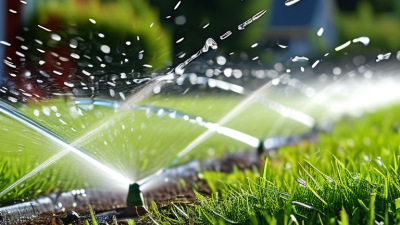
When selecting lawn irrigation systems, understanding the available options is crucial. There are several types of irrigation systems, including drip, sprinkler, and soaker hoses. Each system has its own advantages depending on the size and layout of your lawn.
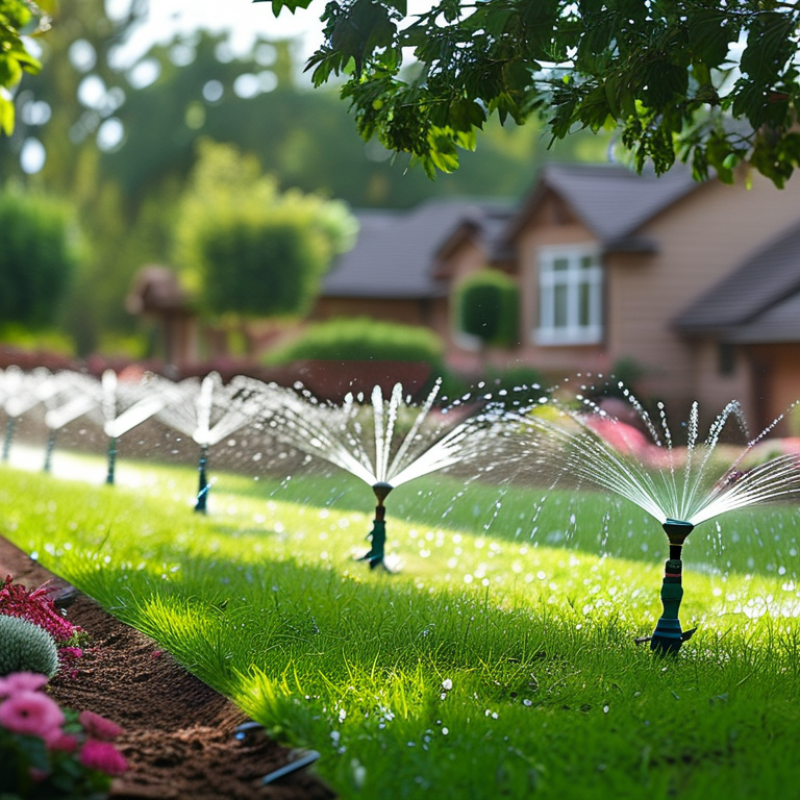
Drip irrigation is highly efficient, delivering water directly to the roots. According to the Irrigation Association, this method can reduce water use by up to 60%. It is especially useful for gardens or landscaped areas. Sprinkler systems offer versatility and are easier to install for larger lawns. They can cover wide areas and adapt to different shapes. However, they often use more water compared to drip systems.
Soaker hoses provide a simple, cost-effective option. They can be laid out on the soil surface and will slowly release moisture. Research indicates that soaker hoses can save around 50% more water than traditional sprinklers. Nevertheless, they may not be suitable for larger distances. Choosing the right type involves personal preferences, lawn size, and budget. Each system presents unique challenges and successes.
How to Choose the Best Lawn Irrigation Equipment for Your Needs?
| Irrigation Type |
Key Features |
Best For |
Cost Range |
| Drip Irrigation |
Water-efficient, precise water delivery |
Gardens, flower beds, and trees |
$100 - $500 |
| Sprinkler System |
Versatile coverage, adjustable spray patterns |
Lawns, large areas |
$200 - $2,000 |
| Soaker Hoses |
Easily laid out, gentle watering |
Vegetable gardens, borders |
$20 - $100 |
| Automatic Timers |
Automates watering schedule, rain delay |
All types of irrigation systems |
$20 - $200 |
| Rainwater Harvesting Systems |
Eco-friendly, sustainable water source |
Conservation-focused households |
$500 - $3,000 |
Factors to Consider When Choosing Irrigation Equipment
Choosing the right lawn irrigation equipment is crucial for maintaining a healthy landscape. There are several factors to consider. First, assess your lawn's size and layout. A large, sprawling yard may require a different approach than a smaller, intricate garden. For instance, sprinklers might work well in open areas, while drip systems could be better for flower beds.
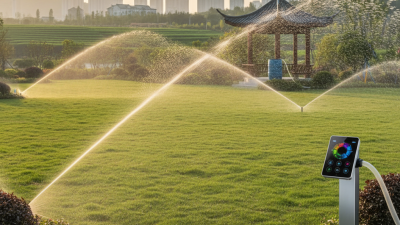
Next, consider water source availability. Is your water supply consistent? Some systems require higher water pressure, while others can work with low pressure. Additionally, think about climate conditions in your area. Regular rainfall influences your irrigation needs. A programmable timer could be efficient in drier regions.
Cost is also a significant factor. Investing in high-quality equipment can save money over time but may have a higher initial cost. You want reliability without overspending. Reflect on your budget and the potential long-term benefits. Evaluate your knowledge of irrigation systems too; seeking guidance from professionals can lead to better choices. Each decision impacts plant health and water conservation. Balancing these elements will lead to a successful irrigation setup.
Assessing Water Source and Pressure for Your Irrigation System
Assessing the water source and pressure is critical when selecting irrigation equipment. The type of water source, whether it's a well, municipal supply, or pond, affects your system design. Each source has unique traits that influence efficiency and effectiveness. For example, wells may provide limited flow, while municipal supplies typically offer higher pressure.
Understand your water pressure before making a purchase. Low pressure may limit the range of spray heads you can use. Checking the pressure can be straightforward: utilize a pressure gauge connected to a faucet. This data reveals if you need a pressure regulator or booster pump.
Consider soil type and crop needs when choosing your system. Sandy soils drain quickly, requiring more frequent watering. Clay soils, however, hold water longer and may need less frequent irrigation. Monitoring local weather patterns can help adjust your strategies.
In practice, not all systems work as expected. Regular maintenance is key. Clogged filters or broken sprinkler heads can lead to uneven watering. Identify and fix these issues promptly to maintain a healthy lawn. If you experience inconsistent results, evaluate your setup and adjust accordingly.
Maintenance and Durability Considerations for Lawn Irrigation Tools
When choosing lawn irrigation equipment, maintenance and durability are critical factors. Research shows that well-maintained irrigation systems can reduce water waste by 20-50%. This not only ensures healthy grass but also conserves water, a vital resource. Selecting durable materials can prolong the life of your tools. For instance, rust-resistant components are essential for longevity in wet conditions.
Understanding your soil type is fundamental. Sandy soils drain quickly, while clay retains more water. This knowledge helps you determine irrigation frequency and duration, preventing system overuse. Regularly check fittings and hoses for leaks. Even small drips can lead to significant water loss over time. Inspecting your system twice a year can save you from costly repairs.
Choosing the right tools also means addressing wear and tear. For example, pressure regulators should be examined regularly. A pressure deviation can lead to uneven watering. If your system uses a timer, replace batteries annually. Automation helps in efficiency but can fail if neglected. Regular maintenance will help keep your lawn thriving and reduce unexpected expenses.