7 Tips for Choosing the Best Garden Spray Nozzle?
Choosing the right Garden Spray Nozzle can make routine watering faster, gentler, and more consistent. A suitable nozzle should match your plants, water pressure, hose size, and daily habits. A delicate seedling needs a soft mist, while a mature shrub may require a stronger, wider spray. One setting rarely handles everything well.
In practical garden work, small details matter. A comfortable grip can prevent hand fatigue during long watering sessions. A reliable shut-off trigger helps reduce wasted water near flower beds and pathways. Adjustable patterns are useful, but extra settings are not always better. Some inexpensive models feel impressive at first, then leak around the connection after several uses. That experience is easy to overlook.
Look closely.
The best Garden Spray Nozzle should also resist rust, tolerate outdoor storage, and connect securely without repeated tightening. Checking product specifications, user feedback, and manufacturer care instructions can reveal weaknesses before purchase. It is also sensible to compare the nozzle with your existing hose and water pressure. A powerful spray may damage loose soil, flatten seedlings, or disturb mulch.
This guide presents seven practical tips for choosing a Garden Spray Nozzle with greater confidence. It considers spray patterns, materials, ergonomics, durability, water efficiency, compatibility, and maintenance. No single nozzle suits every garden. Your soil, plants, climate, and watering routine should influence the final decision. Even careful advice has limits, so test the spray gently before covering an entire bed.
Identify Your Garden’s Spraying Needs
Identify Your Garden’s Spraying Needs
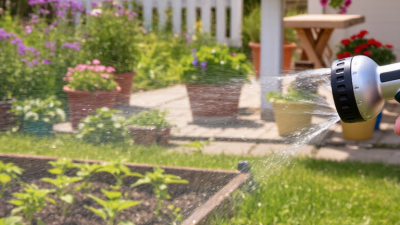
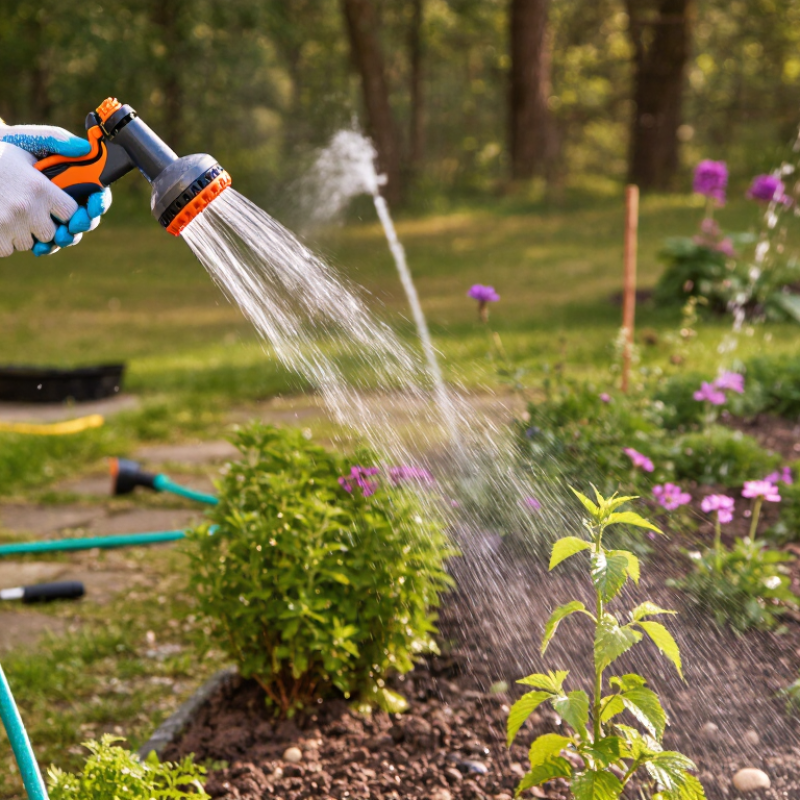
Choosing a garden spray nozzle starts with observing the plants, soil, and water pressure. A seedling bed needs a soft shower, not a sharp jet. Containers often need controlled flow because their soil dries quickly. Shrubs and established vegetables may require deeper, slower coverage. I learned this after flattening young basil with excessive pressure. The nozzle was not faulty. My selection was.
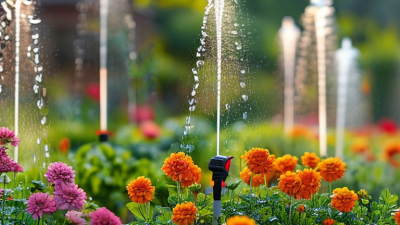
The U.S. Environmental Protection Agency’s WaterSense program reports that landscape irrigation uses nearly 9 billion gallons of water daily in the United States. It also estimates that inefficient watering can waste up to 50% through evaporation or runoff. These figures make spray pattern important. Select a fine mist for delicate foliage, a fan pattern for narrow beds, and a stronger stream for distant roots. Check the soil afterward. Damp leaves can create a false impression of adequate watering.
Wind changes everything. Small droplets drift onto paths, windows, or neighboring plants. Watering early usually reduces evaporation, although local weather matters more than habit. I sometimes choose a wider pattern for speed, then notice uneven soil moisture. That mistake is useful feedback. Test each nozzle over a small area first. Measure coverage with shallow containers, and compare the water depth after several minutes. Also inspect the handle while wearing wet gloves. A nozzle that feels precise in a store may become awkward during a long watering session.
Check Compatibility with Your Hose and Equipment
7 Tips for Choosing the Best Garden Spray Nozzle?
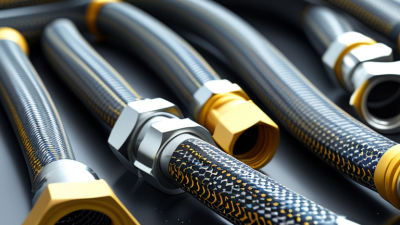
The nozzle must match your hose and watering equipment. Check the hose diameter, connector style, and thread type before buying. A nozzle can look suitable but still leak around the joint. Measure the connector when possible, rather than trusting memory. I once chose a fitting by appearance, and it needed an extra adapter. That small mistake reduced water pressure.
Tip: Check compatibility with your hose and equipment first.
Compare the nozzle’s pressure range with your tap, pump, or irrigation line. A high-pressure nozzle may perform poorly on a weak supply. Also, inspect the washer inside the connector. A missing or damaged washer often causes dripping. Quick-connect fittings save time, but every part must use the same connection standard. Some adapters fit tightly at first, then loosen after repeated use. Test the connection over a bucket before watering plants.
Tip: Match the nozzle to your actual water pressure.
Consider how the spray pattern fits your equipment. A fine mist may suit seedlings, while a stronger stream can disturb loose soil. Adjustable settings are useful, though complicated controls may be harder to maintain. Keep the nozzle clean and remove mineral buildup from the openings. Compatibility is not only about fitting the hose. It also involves safe pressure, steady flow, and comfortable handling. I am still cautious with universal fittings because “universal” does not always mean perfect.
Choose Durable Materials and Easy-Clean Features
7 Tips for Choosing the Best Garden Spray Nozzle?
Choose Durable Materials and Easy-Clean Features
A reliable garden spray nozzle should survive drops, sunlight, and regular water pressure. I have found that metal or reinforced polymer bodies usually feel steadier than thin plastic. Check the trigger, connection threads, and internal seal carefully. These small parts often fail first. Tip 1: Choose corrosion-resistant materials. Tip 2: Select a nozzle with a comfortable, non-slip grip. Wet hands can make a smooth handle surprisingly difficult to control.
Tip 3: Look for several spray patterns, including mist, cone, and focused stream. Different plants need different water pressure. Delicate seedlings may suffer under a hard jet. Tip 4: Prefer a model with a simple pattern dial. Complicated controls can collect dirt and become difficult to adjust. I once ignored this detail, and cleaning the narrow dial took longer than expected.
Tip 5: Choose a nozzle that separates easily for cleaning. Tip 6: Check whether the screen or washer can be removed without special tools. Mineral deposits may clog small openings, especially in hard-water areas. Rinse the nozzle after use, then let it dry before storage. Tip 7: Inspect replacement seals and washers before buying. A durable body is less useful when one hidden seal cannot be replaced. Avoid assuming that heavier always means better. Weight, balance, and easy maintenance matter during long watering sessions.