Top 10 Hose Connector Types for Your Next Purchase?
In the world of gardening and landscaping, the right tools are essential. Hose connectors play a crucial role in ensuring efficient water flow. James Carter, a renowned gardening expert, once said, “A good hose connector can save time and prevent leaks.” This underscores the importance of selecting the right type.
Choosing from various hose connector types can be overwhelming. Each type has its unique benefits and fits specific needs. For instance, quick-connectors offer convenience for those frequently switching attachments. On the other hand, threaded connectors provide a reliable seal but may require more effort. The options are vast, and understanding these can greatly affect your gardening efficiency.
Exploring the top 10 hose connector types available today can prepare any gardener for success. It’s easy to overlook details, but the right hose connector can enhance any watering system. Make informed decisions, and you’ll notice a difference in your watering process.
Overview of Hose Connector Types and Their Uses
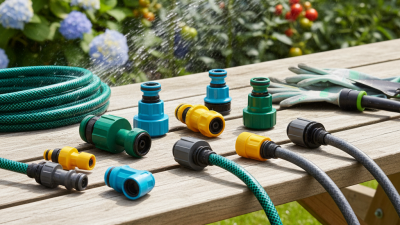
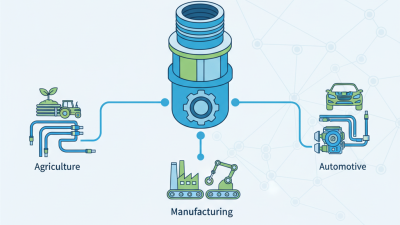
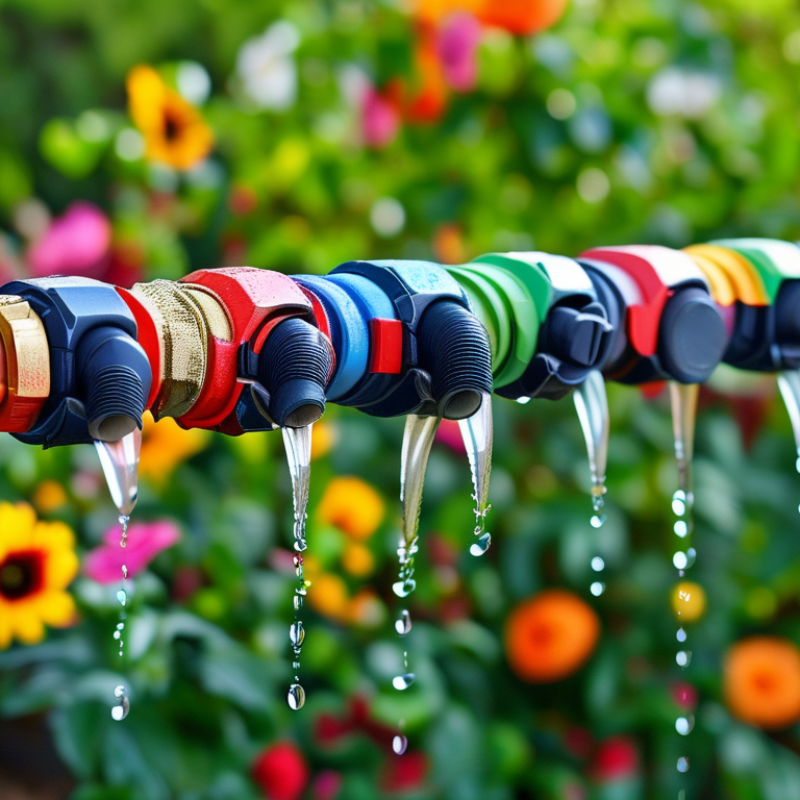
When choosing hose connectors, understanding their types and applications is essential. Various connectors serve different purposes. For instance, quick-connect fittings facilitate easy attachment and detachment of hoses, perfect for tasks needing frequent changes. Barbed connectors work well with flexible hoses, providing a secure fit that prevents leaks. Both types are popular in gardening and automotive settings.
Another connector type, swivel adapters, allow for easy maneuvering without twisting the hose. These are particularly useful in tight or complex spaces. On the other hand, threaded connectors offer a robust connection for high-pressure applications. They require knowledge for proper installation, making some users hesitant. This comprehensive overview highlights the importance of choosing the right connector for effective usage.
Key Features to Consider When Choosing Hose Connectors
When selecting hose connectors, consider several key features that can significantly impact performance. Material choice is crucial. Connectors made from high-quality PVC or brass offer durability. They can withstand pressure and resist corrosion. In contrast, cheaper materials might fail when exposed to harsh conditions. Pay attention to the connector's compatibility with existing hoses. Mismatched sizes could lead to leaks and damage.
Ease of installation is another vital factor. Look for connectors with simple, user-friendly designs. Twist-on or snap-fit types can save time and prevent frustration. Additionally, consider the connector's weight. Lightweight options may be easier to handle, but ensure they maintain strength. Look for reviews that highlight real user experiences with various products. Feedback can reveal the practicality of different designs.
Lastly, ensure connectors provide a secure seal. Poor sealing can waste water and reduce efficiency. Test connectors before finalizing your purchase. Some connectors may promise a lot but underperform in action. Reflect on past experiences—those can guide future choices. Balancing features against budget is essential, but never compromise on safety. Consider these aspects carefully to make an informed decision.
Comparative Analysis of the Top 10 Hose Connector Types
When selecting hose connectors, understanding the options is crucial. The diversity in hose connectors can impact performance significantly. A recent industry report highlighted that nearly 40% of users experience leaks due to improper connector choices. Among the top types are push-fit connectors, which provide ease of use. They allow for quick connections without tools. However, they might not withstand extreme pressure.
Compression connectors come next. They are durable and reliable, making them a go-to for professional applications. However, they require precise installation to avoid leaks. Data indicates that misalignment during installation leads to a 25% increase in failure rates. Quick-connect fittings also stand out. Their design allows swift attachment and detachment, essential for frequent usage. Yet, they can wear out faster than other types.
Another common choice is the barbed connector. While offering a secure grip, they can be tricky to install. Users often overlook the importance of using the right hose size. Studies reveal that using mismatched sizes increases the risk of disconnects by over 30%. This analysis shows that each connector type has its pros and cons. The right choice can make or break your hose system's efficiency.
Tips for Proper Installation and Maintenance of Hose Connectors
When it comes to hose connectors, proper installation and maintenance are key. Start by ensuring that the connectors are clean. Dirt or debris can lead to leaks, which can damage your equipment. Always inspect the connectors before use. Look for signs of wear, cracks, or rust. A damaged connector should be replaced immediately to avoid further complications.
During installation, make sure to tighten the connectors adequately. Over-tightening can cause damage, while loose fittings can lead to minimal water flow. Use Teflon tape or thread sealant for additional sealing. This small step can help ensure a watertight connection. Don't forget about regular maintenance. Examine the connectors regularly, even if you're not using them often. If you notice any issues, address them promptly. Waiting could lead to more significant problems, both in terms of performance and cost.
Top 10 Hose Connector Types
Common Mistakes to Avoid When Purchasing Hose Connectors
When purchasing hose connectors, many people overlook important details, leading to frustrating experiences. One common mistake is not checking for compatibility. Connectors come in various sizes and shapes. Ensuring the size fits your hose and faucet is crucial. Many customers only focus on appearance, which can lead to leaks or poor connections.
Another issue arises from the material of the connectors. Some users assume that all plastics are the same. However, variations exist in durability and resistance to wear. Choosing a low-quality connector may result in early failure. Pay attention to the specifications listed on products. Reading reviews can also provide insights into long-term performance.
Finally, buying in bulk without testing a few connectors first can be a mistake. While it might seem cost-effective, it often leads to excess waste. One poorly fitting connector can ruin a landscaping project. Take the time to evaluate multiple options before committing to a larger purchase. This approach minimizes future complications and saves money in the long run.
Top 10 Hose Connector Types for Your Next Purchase - Common Mistakes to Avoid When Purchasing Hose Connectors
| Connector Type |
Material |
Size (Inch) |
Pressure Rating (PSI) |
Common Mistakes |
| Slip-on Connector |
Plastic |
3/4 |
60 |
Not ensuring tight fit |
| Barbed Connector |
PVC |
1/2 |
80 |
Ignoring hose compatibility |
| Threaded Connector |
Brass |
3/4 |
100 |
Wrong thread size |
| Quick Connect |
Aluminum |
5/8 |
120 |
Not maintaining cleanliness |
| NPT Connector |
Stainless Steel |
1 |
150 |
Over-tightening |
| Cam Lock Connector |
Aluminum |
3 |
200 |
Ignoring safety locks |
| Hose Barb Connector |
Plastic |
3/4 |
90 |
Not using hose clamps |
| Screw-on Connector |
Plastic |
1/2 |
70 |
Not checking durability |
| Y-Connector |
PVC |
1 |
60 |
Not considering flow direction |
| T-Connector |
Plastic |
3/4 |
65 |
Misjudging pressure needs |