Top Types of Courtyard Sprinklers for Your Outdoor Space?
When designing an outdoor space, the choice of a courtyard sprinkler can greatly enhance the beauty and sustainability of your garden. According to gardening expert John Green, "An efficient courtyard sprinkler transforms your garden into a vibrant oasis." With various options available, selecting the right system tailored to your space is crucial.
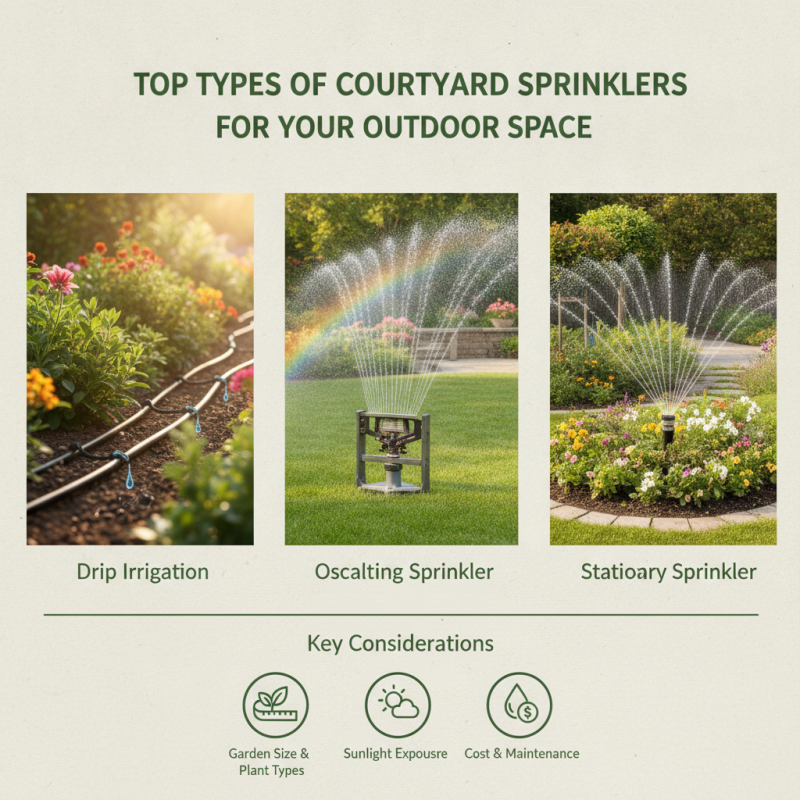
Many homeowners overlook the importance of proper watering. An ill-suited sprinkler can lead to overwatering or dry patches, affecting plant health. There are several types of courtyard sprinklers, including drip irrigation, oscillating, and stationary systems. Each serves a different purpose, and understanding their functions can make all the difference in maintaining a lush garden.
The decision shouldn't be rushed. Assess your garden size, plant types, and sunlight exposure. Consider the potential trade-offs in costs and maintenance. Working with a trusted professional could provide insights, but it's essential to remain engaged in the process. A well-chosen courtyard sprinkler not only saves water but also enriches the environment, making your outdoor space a delightful retreat.
Types of Courtyard Sprinklers: An Overview
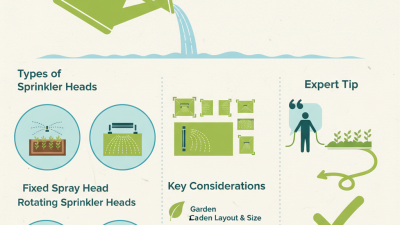
When it comes to keeping your outdoor space lush and healthy, choosing the right type of courtyard sprinkler is crucial. There are several types to consider. Each offers unique features tailored for different garden needs.
Pop-up sprinklers are popular. They blend seamlessly into the landscape when not in use. These sprinklers rise when activated, covering large areas efficiently.
Drip irrigation is another effective option. This system delivers water directly to the plant roots. It minimizes waste and promotes healthier growth. On the other hand, oscillating sprinklers cover wide, rectangular areas. They rotate back and forth, providing even coverage. Each type has its strengths and challenges. For example, pop-up systems may require more maintenance, while drip systems can become clogged.
Selecting the right system also depends on your garden layout. Complex designs may require a combination of systems. Observing your garden's specific needs can guide your decision. You'll need to assess water pressure and availability. Each option presents its own set of pros and cons, allowing for varied experiences in outdoor care. Be sure to reflect on what works best for your unique space.
Factors to Consider When Choosing Sprinklers
When selecting courtyard sprinklers, several factors play a crucial role. First, consider the size of your outdoor space. Larger yards may require more extensive sprinkler systems to ensure even coverage. According to a recent report from the Irrigation Association, an estimated 40% of water used by homeowners is for irrigation. This underlines the need for an efficient sprinkler system that minimizes water waste.
Water pressure is another critical consideration. Ideal pressure levels should range between 30-50 PSI for optimal performance. If your water pressure is too low, you may face uneven watering. Additionally, think about the soil type in your courtyard. Sandy soils require different watering amounts than clay soils, which retain moisture more effectively.
Tip: Always check local regulations on water usage. Many areas have restrictions that can impact your sprinkler choice.
The type of plants in your space can also influence your decision. Drought-resistant plants may not need as much water, allowing for a simpler system. Conversely, lush gardens may necessitate more sophisticated technology, such as smart sprinklers with weather sensors. Balancing beauty and functionality in your outdoor space is essential.
Tip: Regularly inspect your system for leaks or clogs. Neglecting small issues can lead to bigger problems, both environmentally and financially.
Top Types of Courtyard Sprinklers for Your Outdoor Space
| Type of Sprinkler |
Coverage Area (sq ft) |
Watering Style |
Adjustability |
Price Range ($) |
| Oscillating Sprinkler |
1000 - 3000 |
Even Coverage |
Yes |
30 - 80 |
| Drip Irrigation |
Variable |
Targeted |
Yes |
50 - 200 |
| Spray Sprinkler |
400 - 800 |
Fixed |
No |
20 - 60 |
| Rotary Sprinkler |
1000 - 2000 |
Rotating Jets |
Yes |
40 - 100 |
| Soaker Hose |
Varies |
Slow Soaking |
No |
15 - 50 |
Common Types of Sprinklers for Courtyards
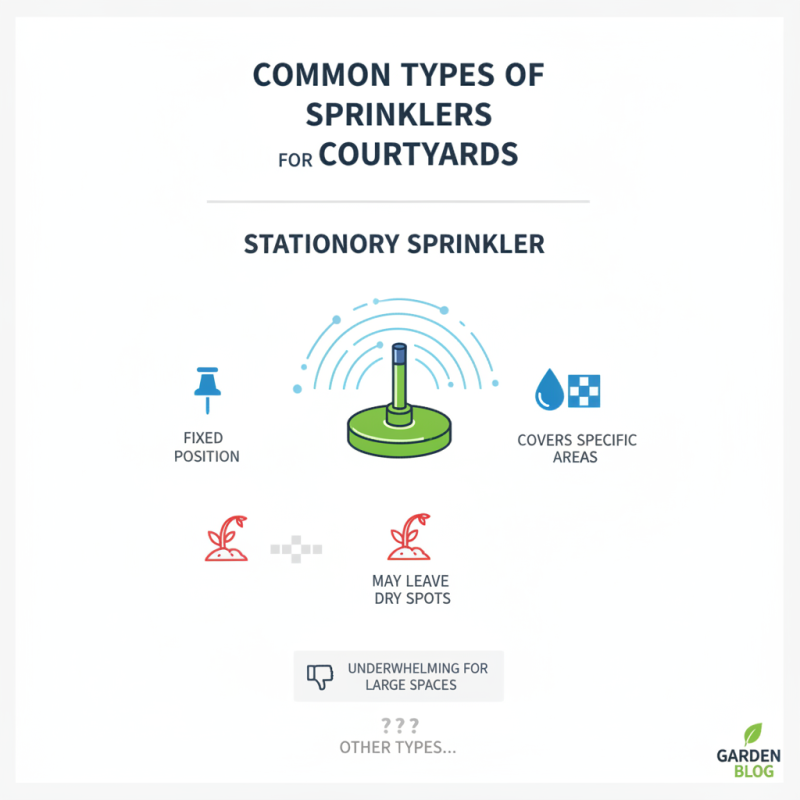
When considering courtyard sprinklers, various types cater to diverse needs. A common choice is the stationary sprinkler, which maintains a fixed position. These sprinklers cover specific areas effectively but may leave some dry spots. Their simplicity often leads to underwhelming results in larger spaces.
Rotating sprinklers offer a more efficient option. They distribute water evenly across a wider area. According to industry data, rotating sprinklers can reduce water wastage by up to 30%. This efficiency is crucial for eco-conscious homeowners. However, their reliance on pressure can be a downside in low-water areas.
Soaker hoses are another viable choice. They can be laid out to conform to garden shapes. They provide deep watering directly to the soil. Yet, they require careful monitoring to avoid overwatering and fungal issues. Each sprinkler type has strengths and weaknesses, and understanding these can lead to smarter choices.
Installation Tips for Effective Sprinkler Systems
When installing a sprinkler system, proper planning is essential. Start by assessing your outdoor space. Measure the area that needs watering. Consider the types of plants you have. Different plants have different water needs. A uniform irrigation approach may not always be suitable.
Choose the right type of sprinkler. For larger areas, oscillating or rotating sprinklers often work best. They cover wide spaces efficiently. For smaller gardens, drip systems can provide water directly to the roots. This reduces waste and promotes healthier plants. Proper installation of these systems ensures optimal performance.
Placement is crucial. Sprinklers should be situated to avoid watering sidewalks or driveways. This not only conserves water but also helps your plants receive adequate moisture. Test the system after installation. Observe how water distributes. Make adjustments if certain areas remain dry. Regular maintenance is key to effective watering. Check for clogs regularly. An efficient sprinkler system can enhance your garden’s health significantly.
Maintenance Practices for Long-lasting Sprinklers
To ensure the longevity of your courtyard sprinklers, regular maintenance is essential.
Check for clogs and debris in the sprinkler heads. Clearing these blockages keeps water flow strong and efficient.
Over time, dirt accumulates, affecting performance. A simple clean can make a significant difference.
Inspecting the sprinkler system regularly
is another important practice. Look for leaks or broken parts. Even a small crack can waste water and reduce effectiveness.
Keeping the system well adjusted enhances coverage and conserves resources. If the system uses a timer, verify its settings often.
Miscalculations can lead to overwatering or underwatering.
Seasonal adjustments are equally crucial. Before winter, prepare the system to prevent freezing.
Draining water from pipes helps avoid damage from ice expansion. In spring, testing the system ensures everything operates correctly.
Often, some areas may need more attention, revealing a need for adjustments. Regular checks create a resilient system while conserving water.