


Why You Need an Automatic Garden Sprinkler System Today
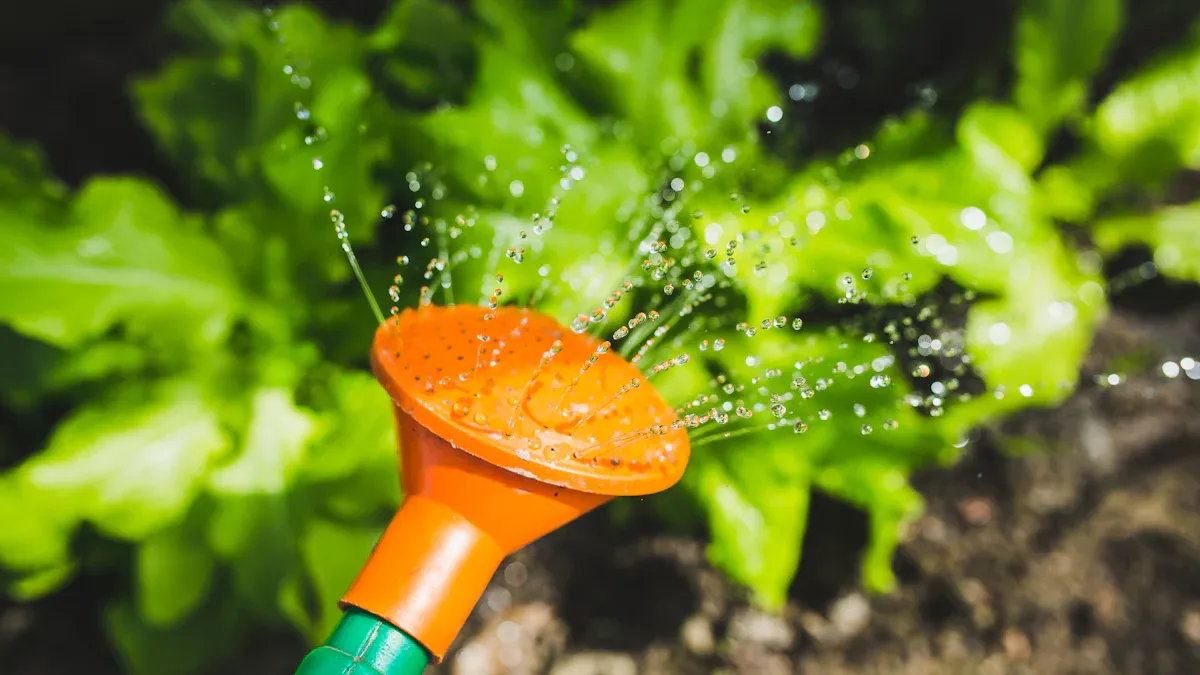
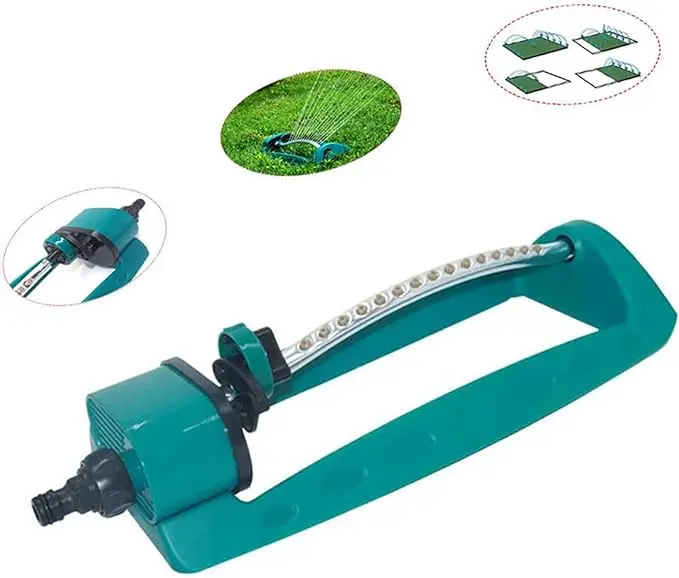
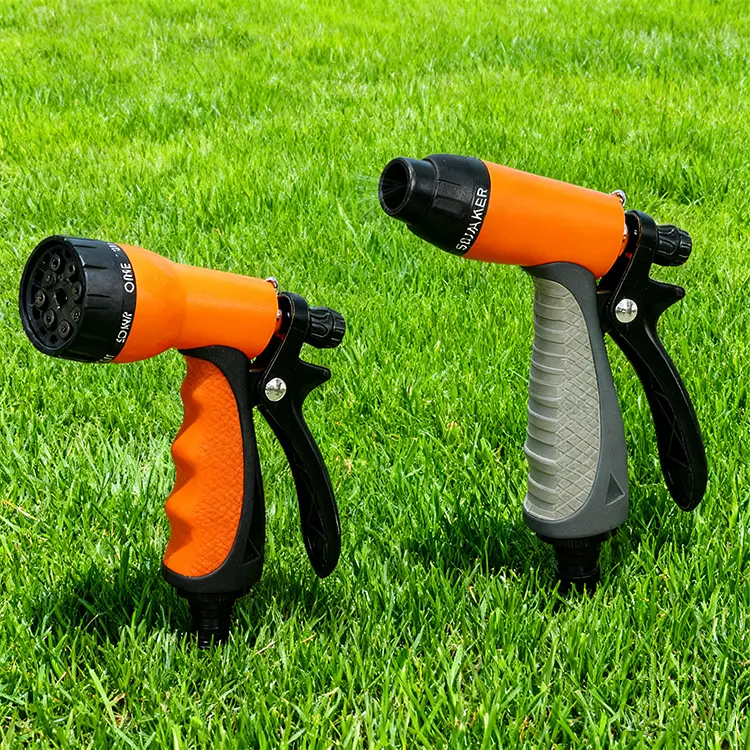
An automatic garden sprinkler system saves homeowners a significant amount of time—up to 2-3 hours each week—compared to traditional watering methods. This system ensures that plants receive consistent moisture, promoting healthier growth. With modern technology, gardeners can now enjoy smart watering solutions. Whether it’s using an irrigation sprinkler gun, a garden watering gun, or a water sprinkler for garden areas, these automatic lawn sprinkler systems make garden care easier and more efficient.
Key Takeaways
- An Automatic Garden Sprinkler system saves time, allowing homeowners to focus on enjoying their gardens instead of manual watering.
- Smart controllers optimize watering schedules, conserving water and reducing utility bills by up to 50%.
- Choosing the right sprinkler heads and valves ensures efficient water distribution, promoting healthier plant growth.
- Soil moisture and rain sensors prevent overwatering, helping maintain optimal soil conditions and saving water.
- Investing in an Automatic Sprinkler system increases property value while providing a lush, thriving garden.
Controller
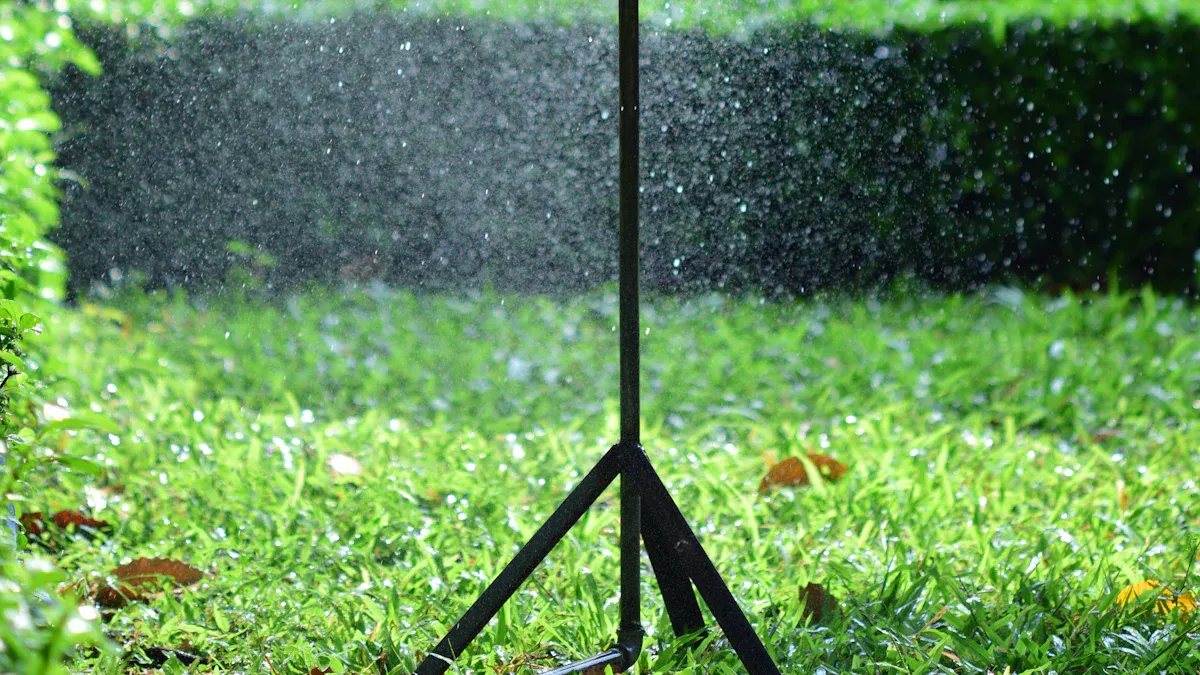
The controller is the brain of an automatic garden sprinkler system. It manages when and how much water your garden receives. By automating this process, the controller takes the guesswork out of watering, ensuring your plants thrive without constant attention.
Function of the Controller
The controller has several key functions that make it essential for effective garden care. Here’s a quick overview:
| Function/Feature | Description |
|---|---|
| Frequency of irrigation | Allows setting how often the irrigation occurs. |
| Start time | Specifies when the irrigation will begin. |
| Duration of watering | Determines how long the watering will last. |
| Multiple programs | Enables different watering schedules for various plant types. |
| Rain delay settings | Pauses irrigation during rain to conserve water. |
| Input terminals for sensors | Connects to sensors like rain, freeze, and soil moisture sensors for automated adjustments. |
| Remote operation | Allows control of the system from a distance, enhancing convenience. |
| Closed control loop | The system can operate autonomously based on sensor feedback, reducing manual intervention. |
With these features, the controller ensures that your garden receives the right amount of water at the right time. This precision helps maintain healthy plants and saves water.
Importance of Scheduling
Scheduling irrigation times is crucial for maximizing the benefits of your automatic garden sprinkler system. Here are some reasons why proper scheduling matters:
- Water Conservation: Smart controllers can reduce outdoor water use by up to 50% by using real weather data to skip unnecessary watering.
- Cost Savings: Efficient watering schedules lead to lower utility bills by preventing overwatering.
- Remote Control: Users can manage their irrigation system from anywhere using their smartphones.
- Improved Plant Health: The system adjusts watering based on specific yard conditions, promoting healthier plants.
- Real-Time Adjustments: The controller adapts to weather changes, ensuring optimal watering conditions.
By scheduling irrigation effectively, gardeners can ensure that their plants receive consistent moisture. This consistency is vital for plant health, as maintaining the right moisture level prevents issues like root suffocation or wilting.
Valves
Valves play a crucial role in the functionality of an automatic garden sprinkler system. They control the flow of water, ensuring that each zone in your garden receives the right amount of moisture. Without valves, managing water distribution would be chaotic and inefficient.
Types of Valves
There are several types of valves used in automatic garden sprinkler systems, each serving a unique purpose. Here’s a quick rundown:
- Electric Valves: These operate on alternating current and are versatile for various water pressures.
- DC Valves: Running on direct current, these valves are energy-efficient and ideal for smaller systems.
- Flow Control Valves: They enable the system to turn on and off as scheduled, regulating water flow effectively.
- Anti-Siphon Valves: Functioning as flow control valves, they come with a built-in backflow preventer to protect your water supply.
- Manual Valves: These require manual operation, giving you direct control over the irrigation process.
- Electric Diaphragm Valves: Used for automatic operation, these valves work seamlessly with timers.
- Backflow Prevention Devices: Essential for systems connected to municipal water, these devices prevent contamination of the water supply.
Role in Water Flow
Valves are vital for controlling water flow within your sprinkler system. Here’s how they contribute to efficient irrigation:
- Regulating Pressure: Flow control valves help maintain consistent water pressure across different zones, ensuring that all areas receive adequate moisture.
- Adjusting Water Volume: They allow for manual adjustments, which is crucial for maintaining consistent coverage in various irrigation zones.
- Preventing Waste: Proper installation of these valves minimizes misting and evaporation, ensuring that water reaches the soil effectively.
- Safeguarding Components: Valves act as safeguards against excessive pressure, which can prolong the lifespan of your sprinkler components.
Additionally, the placement of valves significantly affects the overall performance of your sprinkler system. Proper placement allows for distinct watering zones, optimizing water usage and preventing freezing issues in colder climates.
By understanding the types of valves and their roles, gardeners can make informed decisions about their automatic garden sprinkler systems. This knowledge leads to better water management and healthier plants.
Sprinkler Heads
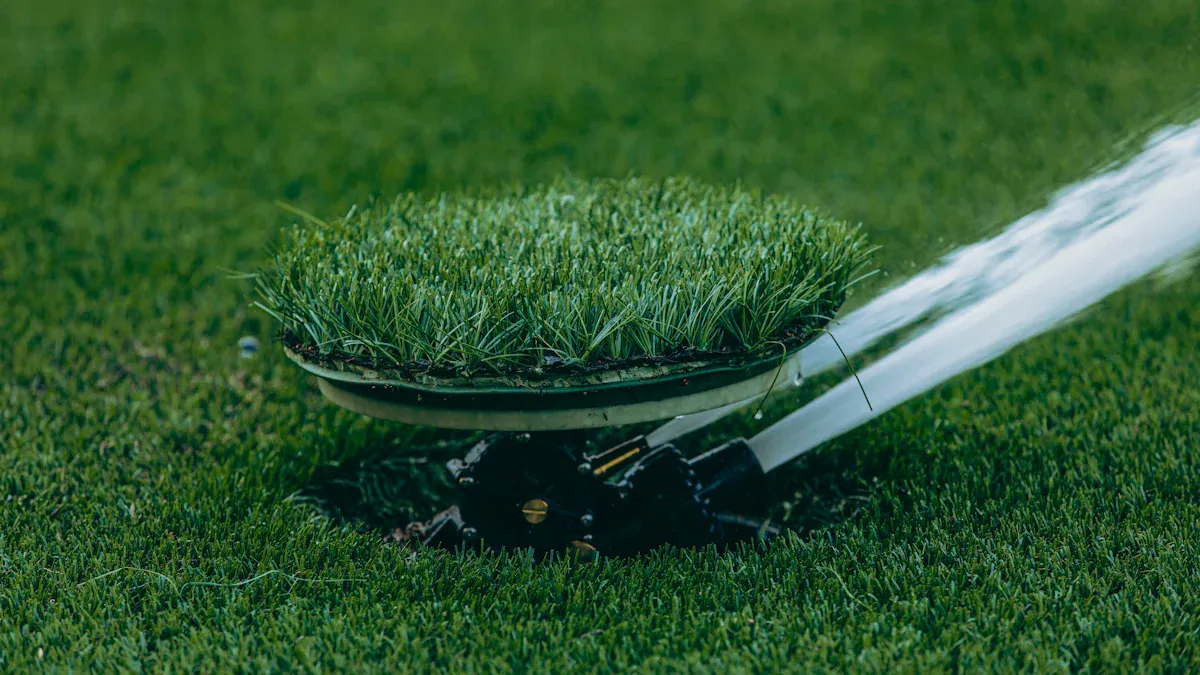
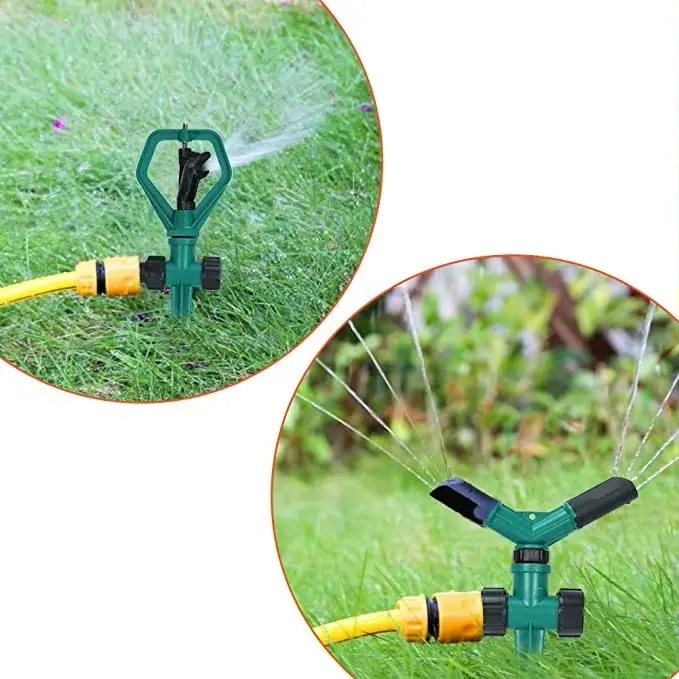
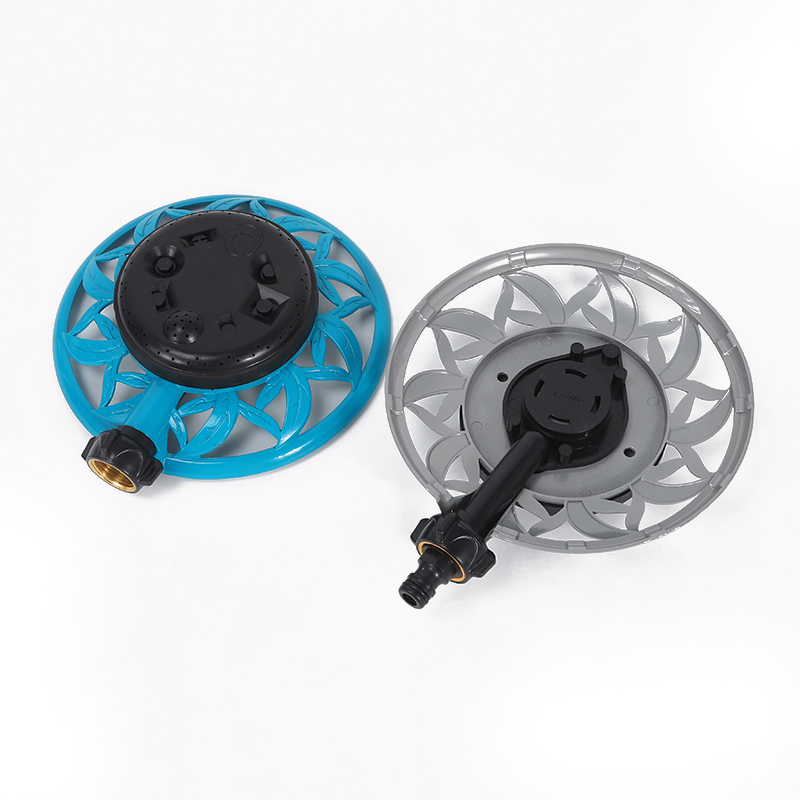
Sprinkler heads are essential components of an automatic garden sprinkler system. They determine how water is distributed across your garden, impacting both coverage and efficiency. Choosing the right type of sprinkler head can make a significant difference in how well your plants thrive.
Different Types of Sprinkler Heads
There are several types of sprinkler heads, each designed for specific watering needs. Here’s a quick overview:
- Spray Heads: These are perfect for smaller areas, covering distances of 5, 10, or 15 feet.
- Rotary Spray Heads: Ideal for larger spaces, these can cover 30 feet or more, making them great for expansive lawns.
- Drip or Soaker Heads: These are used for targeted watering, delivering moisture directly to the roots of plants without wasting water.
When selecting a sprinkler head, consider the size of your garden and the specific watering requirements of your plants.
Coverage and Efficiency
The coverage and efficiency of sprinkler heads depend on various factors. Here’s a breakdown of how different types perform:
| Feature | Rotary Sprinkler Heads | Fixed Spray Heads |
|---|---|---|
| Water Distribution | Eject a single stream as they rotate | Distribute more water in less time |
| Coverage Area | Ideal for larger areas (15 to 35 feet radius) | Best for smaller areas (8 to 20 feet) |
| Efficiency | Generates less mist, high efficiency | More water distributed quickly |
| Application Rate | Lower application rate, suitable for slopes | Higher application rate, less absorption |
Proper selection of sprinkler heads can significantly reduce water waste. For instance, using rotary and drip irrigation heads ensures that water reaches the plants effectively while minimizing runoff. Additionally, calculating the flow rate of your irrigation system helps match water delivery to plant needs, preventing unnecessary waste.
By understanding the different types of sprinkler heads and their efficiency, gardeners can make informed choices that promote healthy plant growth while conserving water.
Sensors
Soil Moisture Sensors
Soil moisture sensors are game-changers for automatic garden sprinkler systems. They measure the amount of moisture in the soil and send these readings to the controller. This technology allows for precise irrigation, ensuring plants receive just the right amount of water. Here’s how they work:
- They measure soil moisture levels accurately, determining when irrigation is needed.
- Some sensors can automatically shut off the irrigation system based on moisture levels.
- This prevents overwatering, which conserves water and promotes healthier plant growth.
By signaling for irrigation only when necessary, soil moisture sensors optimize water usage. This advancement improves upon older systems that relied on fixed schedules, often leading to water wastage. With these sensors, gardeners can maintain lush landscapes while being mindful of water conservation.
Rain Sensors
Rain sensors play a vital role in preventing unnecessary watering. They monitor rainfall levels and communicate with the irrigation system to adjust watering schedules accordingly. Here’s why they’re essential:
- Rain sensors ensure irrigation systems operate only when necessary.
- They prevent overwatering during rainfall, conserving water resources.
- By minimizing unnecessary water usage, they help reduce utility bills.
These sensors detect rainfall and send signals to irrigation controllers, pausing the system during and after rain. This feature not only conserves water but also helps maintain plant health by preventing overwatering, which can lead to diseases. Using rain sensors can result in significant savings over time, depending on local water rates.
Piping
Piping is a vital component of any automatic garden sprinkler system. It transports water from the source to the sprinkler heads, ensuring that every part of your garden receives the moisture it needs. Choosing the right piping material and layout can significantly impact the system's efficiency and durability.
Types of Piping Materials
When selecting piping for your sprinkler system, consider the following common materials:
| Material | Description |
|---|---|
| PVC Piping | A rugged plastic often used in plumbing, available in various grades and sizes for irrigation. |
| Polyethylene Tubing | A flexible black tubing that is easier to install, often used in irrigation systems. |
Each material has its pros and cons. For instance, PVC is durable but can be rigid, while polyethylene is flexible and easier to work with. However, plastic pipes can be sensitive to temperature changes, which may lead to issues like joint strain and system failures.
Layout and Design Considerations
Designing an efficient sprinkler system requires careful planning. Here are some key considerations:
- Water Pressure and Flow Rate: Ensure your system can handle the required pressure and flow rate. Low pressure can lead to uneven water distribution, while high pressure may damage components.
- Head-to-Head Coverage: Position sprinklers to achieve uniform water distribution. This prevents dry spots and ensures all plants receive adequate moisture.
- Hydro-Zoning: Group plants with similar water needs together. This optimizes water usage and promotes healthy growth.
- Avoiding Overlap: Position sprinklers to minimize overlap and dry areas. This helps conserve water and keeps your garden healthy.
Remember, the layout impacts water pressure and coverage. Undersized pipes can lead to inadequate flow, while oversized pipes may waste water. A well-designed system ensures that every plant gets the right amount of water without unnecessary waste.
By considering these factors, gardeners can create an effective automatic garden sprinkler system that promotes healthy plants and conserves water.
Backflow Preventer
A backflow preventer is a crucial component of any automatic garden sprinkler system. It ensures that contaminated water doesn’t flow back into the public water supply or your home’s plumbing. This function is vital for maintaining health safety and complying with local regulations.
Function of the Backflow Preventer
Backflow preventers act as safeguards in systems where there’s a risk of cross-connection, such as irrigation and fire sprinkler systems. They maintain a one-way flow of water using valves, air gaps, or specialized devices. This design prevents contaminated water from reversing into the clean water supply. By ensuring that water flows in only one direction, backflow preventers protect drinking water from pollution and contamination.
Importance for Water Safety
Water safety is paramount when installing a garden sprinkler system. Here are a few reasons why backflow prevention is essential:
- Backflow prevention keeps the public water supply uncontaminated.
- Many municipalities require backflow prevention measures during sprinkler system installations.
- Compliance with local codes is crucial for a safe water supply.
Local regulations can vary significantly. Some municipalities specify which types of backflow preventers are allowed, while others may require installation by a licensed professional. Understanding these regulations helps ensure that your system operates safely and efficiently.
An automated sprinkler system truly enhances garden care. It provides consistent watering, which is vital for plant health. By watering early in the morning, plants absorb moisture before the heat of the day, reducing the risk of fungal diseases. This system also promotes water conservation. With smart scheduling, it can cut water usage by up to 50%, ensuring efficient use of resources. Investing in such a system not only lowers water bills but can also increase property value. For any gardener, the benefits of an automatic garden sprinkler are clear—it's a smart choice for a thriving garden. 🌱
FAQ
What are the benefits of an automatic garden sprinkler system?
An automatic garden sprinkler system saves time, ensures consistent watering, and promotes healthy plant growth. It also conserves water by adjusting schedules based on weather conditions, leading to lower utility bills.
How much does it cost to install a sprinkler system?
Installation costs vary based on the size of the garden and the complexity of the system. Homeowners can expect to pay between $1,500 and $3,000 for a complete system, including materials and labor.
Can I install a sprinkler system myself?
Yes, many homeowners choose to install their own systems. However, it requires planning and knowledge of irrigation principles. For best results, consider hiring a professional, especially for complex layouts.
How often should I water my garden with a sprinkler system?
Watering frequency depends on plant types, soil conditions, and weather. Generally, most gardens benefit from watering 1-2 times per week, adjusting based on rainfall and moisture levels.
Do I need a backflow preventer for my sprinkler system?
Yes, a backflow preventer is essential. It protects your water supply from contamination by ensuring that water flows in one direction, preventing any backflow into the main supply.