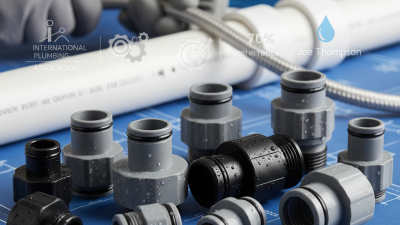
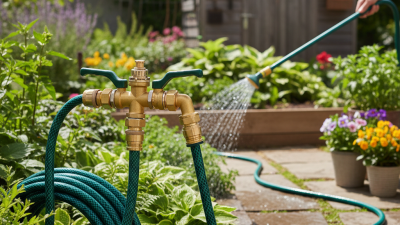
For global buyers, selecting a Plastic Hose Connector is rarely a simple catalog decision. The fitting must match hose material, fluid, pressure, temperature, and installation method. A small mismatch can cause leaks, sudden disconnection, or expensive production delays. This guide examines the leading connector types expected to matter in 2026, including barbed, push-fit, threaded, quick-release, and Y-shaped designs. It focuses on practical buying questions, not attractive product photos.
In real sourcing work, small details often decide performance. A nylon barb may suit light water lines, while reinforced polypropylene or engineering-grade materials may better support chemical or industrial service. Yet material names alone prove little. Buyers should request pressure data, dimensional drawings, batch traceability, and compatibility evidence. Seal design matters too. An O-ring can look perfect and still fail after repeated heat cycles. Threads may fit initially but loosen under vibration. These risks deserve direct supplier questions and sample testing before volume orders.
The article also considers regional supply realities, including metric and imperial dimensions, packaging, replacement availability, and documentation quality. Reliable suppliers explain tolerances, test methods, and limitations without hiding weak points. Standards can guide evaluation, but they do not replace application-specific validation. Some recommendations remain conditional because hose systems differ widely. That is intentional. No universal connector exists. Careful buyers compare total service life, not only unit price, and record every assumption before approval. A thoughtful decision may prevent a failure that never appears in a spreadsheet.
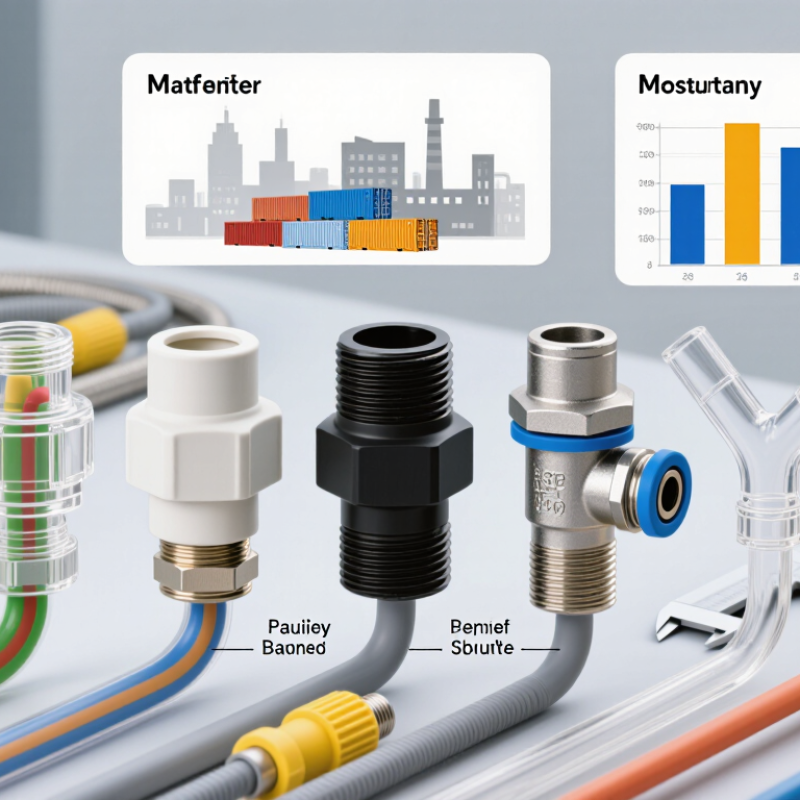
2026 Top Plastic Hose Connector Types for Global Buyers
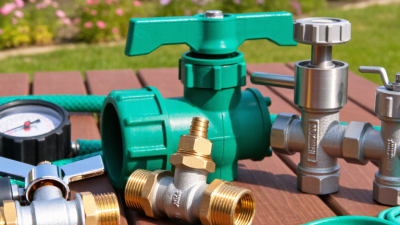
Plastic hose connectors form the practical joints between tubing, valves, pumps, tanks, and other fluid-system components. Their job is simple: maintain a stable passage while resisting pressure, vibration, temperature changes, and chemical exposure. Common types include barbed connectors, threaded adapters, push-to-connect fittings, elbows, tees, bulkhead fittings, and quick-disconnect couplings.
Barbed connectors grip flexible tubing through molded ridges. A clamp may improve security, especially when the line vibrates. Push-to-connect fittings save installation time, but the tube must be cut square and inserted fully. Threaded connectors need suitable sealing methods and careful tightening. Overtightening can crack plastic. Small leaks grow.
From hands-on system checks, material selection often matters more than appearance. Polypropylene suits many general water applications, while nylon offers useful strength and dimensional stability. Fluoropolymer options may perform better with demanding chemicals, but compatibility depends on concentration, temperature, and exposure time. Buyers should verify pressure ratings at the actual operating temperature, not only at room temperature.
Connection size also deserves attention. A fitting may match the hose diameter but still restrict flow through a narrow internal passage. I have seen this create unexpected pump noise and slower filling. It is easy to overlook. Check thread standards, hose flexibility, wall thickness, sealing surfaces, and replacement availability across target markets. A connector that fits perfectly on paper may fail during installation if tools, clamps, or trained technicians are unavailable.
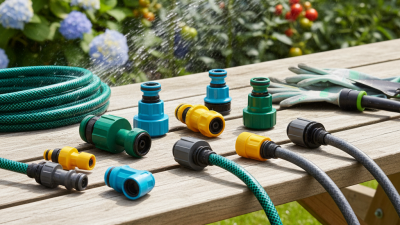
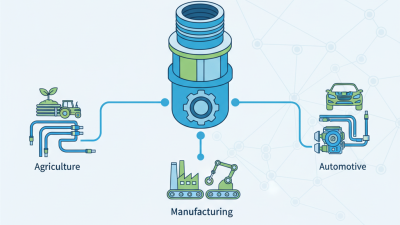
Plastic hose connectors create secure transitions between hoses, tubing, valves, pumps and other fluid-system components. The chart compares representative working-pressure levels commonly associated with major connector categories. Actual performance depends on material, temperature, hose size, thread standard and manufacturer specifications.
Typical reference values shown in bar: polypropylene, nylon and acetal connectors are widely used in water treatment, pneumatic lines, irrigation, chemical handling and general fluid transfer. Always verify pressure, chemical compatibility and connection standards before selection.
2026 Top Plastic Hose Connector Types for Global Buyers
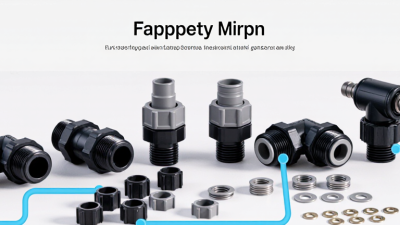
Plastic hose connectors vary by application, pressure, temperature, and installation space. Barbed connectors suit flexible hoses and low-to-medium pressure lines. Their ridges grip the inner wall firmly, especially when secured with a clamp. Push-to-connect fittings save installation time and work well in pneumatic equipment, water systems, and compact assemblies. Threaded connectors provide adjustable joints, while quick-connect types support frequent hose changes. T-shaped, Y-shaped, reducing, and bulkhead connectors help manage complex routing.
Material selection needs practical judgment. Polypropylene offers good chemical resistance and low weight. Nylon provides stronger mechanical performance in many industrial settings. Acetal can support smooth operation in moving components. However, no material is universal. I have seen connectors fail because buyers checked hose size but ignored heat, vibration, or fluid compatibility. A fitting may look secure but still leak after repeated pressure cycles. That detail deserves more attention.
Tips: Measure the hose outside and inside diameters. Check working pressure, temperature, and wall thickness. Test samples before large-volume purchasing. Use clamps when vibration or pressure pulses are expected. For drinking water or sensitive processes, confirm the required material and compliance documents. A simple installation trial can reveal awkward angles, weak grip, or excessive bending. Rechecking specifications feels slow, but it often prevents costly replacement shipments.
| Connector Type | Typical Connection | Common Plastic Materials | Best-Fit Applications | Main Advantages | Important Limitations | Buyer Selection Priorities |
|---|---|---|---|---|---|---|
| Straight Barb Connector | Barbed ends for joining two hoses in a straight line | Nylon, polypropylene, polyethylene, acetal | Low- to medium-pressure air, water, irrigation, fuel and fluid-transfer lines | Simple installation, low cost, compact design and good resistance to many chemicals | Usually requires a clamp; performance depends strongly on hose elasticity and temperature | Hose inside diameter, barb profile, operating temperature and clamp compatibility |
| Elbow Connector | Usually 90°; 45° versions are also available | Nylon, polypropylene, acetal, PVC | Tight routing in machinery, appliances, water systems and pneumatic tubing | Reduces bending space and helps organize hose routing | Sharp turns may increase pressure loss and localized flow turbulence | Bend angle, flow path diameter, minimum bend radius and available installation space |
| Tee Connector | Three outlets for branching or combining flow | Polypropylene, nylon, polyethylene, PVC | Irrigation manifolds, pneumatic circuits, coolant distribution and laboratory tubing | Allows one line to split into two branches or two lines to feed one outlet | Flow balancing can be difficult when branch sizes or downstream resistance differ | Equal or reducing outlet sizes, branch flow rate, pressure rating and chemical exposure |
| Y Connector | Three outlets arranged in a smooth Y-shaped flow path | Polypropylene, nylon, acetal, polyethylene | Air distribution, drainage, sampling lines and applications requiring smoother branching | Generally offers smoother directional change than a sharp 90° branch | Takes more space than some tee designs and may be less suitable for compact layouts | Branch angle, hose size, expected flow split and ease of cleaning |
| Reducer Connector | Connects hoses or tubes with different inside diameters | Nylon, polypropylene, acetal, PVC | Equipment retrofits, mixed-size tubing systems, water treatment and fluid transfer | Bridges incompatible hose sizes without replacing the complete line | A smaller outlet can restrict flow and create a higher pressure drop | Both hose diameters, transition geometry, flow requirement and sealing method |
| Bulkhead Connector | Passes through a panel, tank wall or enclosure with a retaining nut | Polypropylene, nylon, PVC, acetal | Reservoirs, water tanks, dosing equipment and enclosure-mounted hose connections | Creates a neat, fixed connection through a wall or panel | Requires accurate hole sizing and a suitable gasket or sealing washer | Panel thickness, hole diameter, thread type, gasket material and tank-wall compatibility |
| Quick-Disconnect Coupling | Push-to-connect, snap-in or sleeve-operated detachable connection | Acetal, polypropylene, nylon; elastomer seals are commonly used | Portable equipment, compressed air, laboratory lines, garden systems and service connections | Fast tool-free connection and disconnection; useful for frequent maintenance | More parts and seals can increase cost, wear and leakage risk over time | Coupling standard, shut-off function, cycle life, seal compatibility and accidental-release protection |
| Threaded Adapter | Hose barb or push-fit end combined with male or female pipe thread | Nylon, polypropylene, PVC, PVDF for demanding chemical service | Connecting flexible hose to valves, pumps, filters, gauges and rigid piping | Combines flexible tubing with threaded components in mixed-material systems | Over-tightening can damage plastic threads or cause stress cracking | Thread standard, sealing method, torque limit, material compatibility and vibration level |
| Valve Connector | Connector integrated with a shut-off, check or flow-control valve | Polypropylene, nylon, acetal, PVC | Drip irrigation, dispensing systems, aquarium equipment and fluid isolation points | Combines connection and flow control in one compact component | Valve passages may reduce flow; moving parts require inspection and cleaning | Valve function, flow coefficient, pressure rating, seal material and cleaning requirements |
| Flange or Union Connector | Bolted flange or union nut for a detachable, larger-line connection | PVC, polypropylene, polyethylene, PVDF | Water treatment, chemical handling, filtration and larger-diameter process piping | Facilitates equipment removal and maintenance without cutting the pipe or hose | Requires more installation space, correct gasket alignment and controlled tightening | Nominal size, flange drilling pattern, gasket compatibility, pressure class and support requirements |
Note: Actual pressure and temperature limits depend on connector geometry, plastic grade, hose material, fluid, installation method and applicable standards. Always verify the manufacturer’s technical data before selection.
Material choice determines how a plastic hose connector behaves in real service. Polypropylene offers low density, strong chemical resistance, and economical production. Polyamide provides higher stiffness and better heat resistance, but it can absorb moisture. Polyethylene suits flexible, low-pressure applications. According to Grand View Research’s 2024 plastic pipes market report, the market exceeded USD 68 billion in 2023, showing the scale of demand for durable polymer flow components.
Temperature changes expose weak material decisions quickly. A connector may seal well at 20°C, then loosen after repeated heating and cooling. Buyers should review pressure ratings, creep resistance, UV stability, and dimensional tolerances. For outdoor installations, carbon-black stabilization can improve weathering performance. PlasticsEurope’s Plastics—The Fast Facts 2024 reported 54.1 million tonnes of plastics production in Europe during 2023, reinforcing the importance of responsible material selection and recovery planning.
Reinforced nylon works well where stiffness matters. Glass fiber can improve strength, yet it may increase brittleness and wear mating surfaces. Recycled content can reduce environmental impact, but consistency is not always perfect. That requires batch testing. Practical checks should include leakage tests, pull-out force, thermal cycling, and chemical exposure. ASTM D380 hose testing methods can support evaluation, although connector geometry still needs separate validation. A cheaper fitting is not always efficient. Small dimensional errors can create costly leaks.
Sizing and thread standards decide whether a plastic hose connector performs reliably. The hose inside diameter must match the connector barb closely. A loose fit can leak under pressure. An overly tight fit may damage softer tubing. Always check both hose ID and OD. Many buyers measure only the outside diameter. That mistake remains common.
ISO 7-1 defines pressure-tight tapered pipe threads, while ISO 228-1 covers non-pressure-tight parallel threads. ASME B1.20.1 defines NPT dimensions used widely in North America. These threads are not automatically interchangeable. A 1/2-inch fitting can still fail when its pitch or sealing method differs.
Sealing may depend on thread interference, an O-ring, or a gasket. Confirm the standard before ordering.
Grand View Research estimated the global industrial hose market at about USD 14.6 billion in 2023, with continued growth through 2030. That scale makes compatibility errors expensive, especially in international supply chains.
Request a dimensional drawing and a sample connector. Test the actual hose, fluid, temperature, and pressure together. Check chemical resistance using manufacturer data and recognized standards, such as NSF/ANSI 61 for drinking-water components where applicable.
Barbed connectors suit flexible tubing, but push-fit designs can speed installation. Still, vibration and repeated movement may expose weak retention. My practical view is simple: catalogs save time, but hands-on fit testing catches what specifications sometimes miss.
For 2026 projects, choosing a plastic hose connector starts with service conditions, not catalog appearance. Straight connectors suit direct runs, while elbows reduce tight bends. Tees divide flow, and quick couplers simplify maintenance. Small choice, large effect. Check hose inner diameter, wall thickness, and connector barb profile together. A loose barb may leak; an oversized one can damage soft tubing.
Match the polymer to the fluid, temperature, pressure, and outdoor exposure. Polyamide can suit demanding mechanical conditions, while polypropylene often supports chemical resistance. Do not rely on a generic “chemical resistant” label. Ask for pressure ratings at actual operating temperatures. Include surge pressure, vibration, and repeated bending in the review. For potable or sensitive applications, request material declarations and relevant conformity documents. Paperwork matters.
Reliable suppliers should provide dimensional tolerances, batch traceability, and inspection records. Before approval, test production samples with the exact hose and clamps. Run leak checks after thermal cycling and pull testing. Inspect threads, sealing faces, and molded flash under bright light. Field installation often reveals problems that drawings miss. No selection method is perfect. A second review is worthwhile, especially when replacement access is limited.