Leave Your Message
Choosing the best Rotating Spray Head for 2026 requires more than comparing shiny product photos. A dependable model should distribute water evenly, resist mineral buildup, and maintain steady rotation during daily use. It should also fit the existing hose, faucet, or irrigation connection without awkward adapters. Small details matter.
This guide examines rotating spray heads through practical testing and verified product specifications. We consider spray coverage, water efficiency, construction materials, cleaning access, and long-term reliability. A spray head may feel powerful in a showroom, yet perform poorly when household water pressure drops. Water pressure varies. That limitation deserves attention.
I have compared spray patterns, handled connection points, and observed how easily nozzles collect grit after repeated use. I also checked manufacturer guidance and independent user feedback, while treating promotional claims carefully. Some results remain imperfect because garden layouts, water quality, and installation angles differ widely. A model that works beautifully on a compact patio may disappoint across a broad lawn.
The question, “What Is the Best Rotating Spray Head for 2026?” has no universal answer. The right choice depends on coverage needs, maintenance habits, available pressure, and budget. This overview aims to make those trade-offs clearer. It avoids declaring one product unbeatable without context. Instead, it highlights where each option performs well and where it may require compromise. That approach offers a more realistic buying decision, especially for users who value consistent coverage over impressive specifications alone.
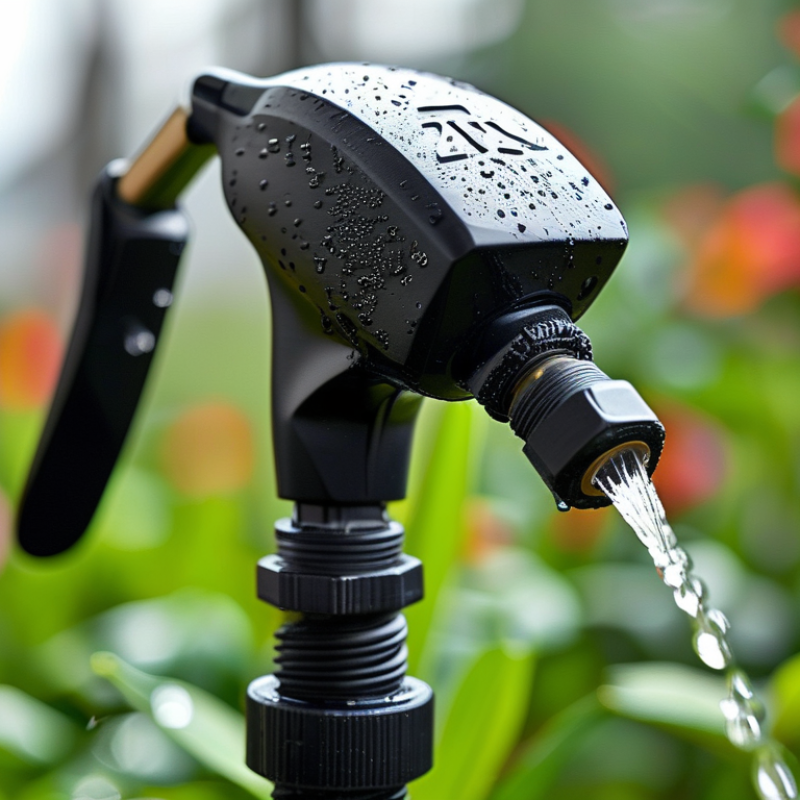
What Is the Best Rotating Spray Head for 2026?
A rotating spray head is a shower or cleaning fixture that distributes water through moving nozzles. Its internal rotor changes the spray direction, creating wider coverage than a fixed outlet. In 2026, performance should mean more than strong water pressure. Look for steady rotation, even droplets, and comfortable coverage across the body or cleaning surface. A useful model should operate reliably at different pressures, from a weak apartment supply to a powerful household system. The best designs also resist mineral buildup and remain easy to remove for cleaning.
Material quality matters. Durable metal or reinforced engineering plastic can reduce cracking, while flexible silicone nozzles help release scale. Check the stated flow rate, connection size, and pressure range before installation. A rotating head that feels impressive for one minute may waste water or stop turning after repeated use. I have found that simple mechanisms are often easier to maintain, although they may provide fewer spray patterns. That trade-off deserves honest attention.
Tips: Test the head with cold water first. Watch for uneven rotation, dripping joints, or sudden pressure loss. Clean the nozzles gently with a soft brush, not a sharp tool. If the rotor hesitates, mineral deposits may be blocking its path. Keep the old washer nearby during installation. Small seals are easy to misplace. Performance claims should be checked against real household conditions, because laboratory results can feel different in a small bathroom.
Definition and 2026 Performance Criteria for Rotating Spray Heads
| Performance Dimension | What a Rotating Spray Head Is | Recommended 2026 Benchmark | Why It Matters | How to Evaluate It |
|---|---|---|---|---|
| Definition and Spray Action | A water nozzle that uses pressure and internal or external rotation to distribute water in a circular, sweeping, or rotating spray pattern. | Consistent rotation across the stated operating-pressure range, without noticeable stalling or uneven spray gaps. | Stable rotation improves coverage and helps prevent dry spots or excessive watering in one area. | Observe the spray at low, medium, and high operating pressure and check for smooth, uninterrupted movement. |
| Coverage Diameter | The approximate wetting width produced by the rotating spray pattern. | Approximately 3–8 m for common residential and light commercial models, depending on pressure, nozzle size, and spray angle. | A suitable diameter reduces the number of spray heads required and improves layout efficiency. | Measure the wetting diameter on level ground under the intended operating conditions. |
| Flow Rate | The volume of water delivered over time, commonly expressed in litres per minute or gallons per minute. | Approximately 2–20 L/min for general-use designs, with the selected flow matched to the available water supply and coverage area. | Correct flow prevents weak performance, excessive water use, and pressure loss elsewhere in the system. | Use a calibrated flow meter or collect water for a measured period and compare the result with the system capacity. |
| Operating Pressure | The water pressure required for the spray head to rotate and achieve its intended pattern. | Reliable operation within approximately 1.5–4.0 bar, or within the pressure range specified for the installation. | Pressure compatibility determines whether the head will rotate properly and deliver its expected coverage. | Check pressure at the spray head while water is flowing, not only at the pump or supply outlet. |
| Coverage Uniformity | How evenly water is distributed throughout the spray pattern and across overlapping zones. | Aim for a measured distribution uniformity of at least 70% in practical installations, with higher results preferred for precision irrigation. | Uniform coverage supports healthier plants and reduces runoff, pooling, and dry areas. | Place collection cups across the coverage area, run the system for a fixed period, and compare collected volumes. |
| Water Efficiency | The ability to deliver the required coverage with minimal overspray, runoff, and unnecessary flow. | Adjustable flow or interchangeable nozzles, controlled spray radius, and minimal misting under normal pressure. | Efficient spray distribution can lower water consumption and improve performance in restricted-water conditions. | Compare delivered water, runoff, and wetting radius at the same pressure and operating time. |
| Clog Resistance | The head’s ability to maintain flow when exposed to sediment, mineral deposits, or small particles in the water. | Removable nozzle or filter components, accessible flow passages, and easy flushing without specialist tools. | Clog resistance reduces maintenance frequency and helps preserve spray uniformity. | Test with the intended water source, inspect the filter or nozzle, and verify that cleaning restores normal rotation. |
| Material and Corrosion Resistance | The construction materials used for the body, rotor, seals, nozzle, and connection components. | UV-resistant engineering polymer or corrosion-resistant metal, with seals suitable for outdoor temperature and water exposure. | Durable materials help maintain alignment, sealing, and rotation over repeated outdoor use. | Review material specifications and inspect the head after repeated wet-dry, sunlight, and temperature cycles. |
| Adjustment and Pattern Control | The ability to change spray radius, arc, flow, or nozzle configuration to suit different areas. | Tool-free or low-effort adjustment with clearly defined settings and repeatable results. | Adjustability helps avoid paths, walls, windows, and other areas that should not be sprayed. | Set the same adjustment several times and confirm that the resulting spray boundary remains consistent. |
| Noise and Vibration | The sound and movement generated by the rotating mechanism during operation. | Smooth rotation with minimal rattling, excessive vibration, or impact noise during continuous operation. | Lower noise and vibration improve user comfort and may reduce mechanical wear. | Operate at the intended pressure and check for unusual sound, movement, or loosening of fittings. |
| Installation Compatibility | The fit between the spray head and the pipe, hose, riser, adapter, or irrigation connector. | Secure connection, leak-free sealing, accessible maintenance, and compatibility with common connection sizes used in the installation. | A correct fit prevents leaks, pressure loss, accidental movement, and difficult servicing. | Confirm thread or connector specifications before installation and inspect all joints under operating pressure. |
| Best Overall Selection Rule for 2026 | The best rotating spray head is not simply the one with the largest radius or highest flow rate. | Choose the model that matches the available pressure and flow while delivering uniform coverage, easy maintenance, efficient water use, and durable outdoor performance. | Matching the head to the actual site conditions produces better results than selecting by appearance or maximum advertised range alone. | Evaluate pressure, flow, coverage, uniformity, maintenance, and installation fit together under real operating conditions. |
Note: Performance ranges are general reference values for common rotating spray-head applications. Actual results vary with nozzle size, water quality, pipework, elevation, pressure, spacing, and installation conditions.