How to Choose the Best Rotating Spray Head for Your Needs?
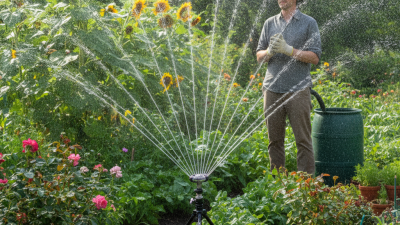
Choosing the right rotating spray head can greatly impact your gardening or industrial spraying tasks. As noted by Dr. Amanda Reeves, an expert in irrigation technology, “The efficiency of a rotating spray head can save both water and time.” Selecting the ideal model requires consideration of various factors such as the spray pattern, flow rate, and application area.
When evaluating rotating spray heads, think about the specific needs of your project. Different models cater to distinct environments and usage scenarios. For instance, some might excel in large agricultural fields, while others are perfect for smaller gardens. It's crucial to assess your landscape and the tasks at hand to make an informed choice.
Moreover, it's essential to recognize that not every rotating spray head will meet your expectations. You may find certain features unnecessary or compatibility lacking. Understanding these nuances can lead to better decisions and improved outcomes. Remember, a well-informed choice will enhance both efficiency and effectiveness in your spraying activities.

Understanding the Different Types of Rotating Spray Heads Available
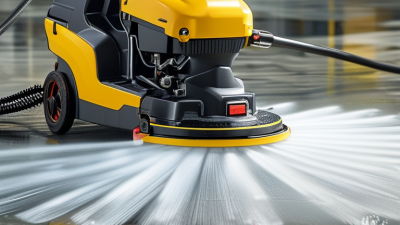
When selecting a rotating spray head, understanding the different types available is essential. There are several designs tailored to specific tasks. Some spray heads emit a fine mist, perfect for delicate plants or gardens. Others produce a strong stream, suitable for washing surfaces or tackling tough cleaning jobs.
Consider adjustable models that allow flexibility. They offer various spray patterns. For instance, you might switch from a gentle shower to a focused stream. This adaptability can enhance efficiency, especially in diverse gardening tasks. However, be cautious; not all adjustable models perform equally. Quality can vary significantly.
It's also worth noting that the material of the spray head impacts durability. Some are made of plastic, while others feature metal construction. Metal heads usually withstand wear better but may be heavier. Reflect on your specific needs and environment. A lightweight plastic head might be easier to maneuver but may not last as long. Ultimately, the right choice balances performance and longevity based on your unique use cases.
How to Choose the Best Rotating Spray Head for Your Needs?
| Type |
Flow Rate (GPM) |
Adjustable? |
Materials |
Ideal Use |
| Standard |
2.0 - 5.0 |
No |
Plastic |
General Purpose |
| Heavy-Duty |
4.0 - 8.0 |
Yes |
Metal |
Commercial Use |
| Eco-Friendly |
1.5 - 3.0 |
Yes |
Recycled Plastic |
Residential Gardens |
| Low Pressure |
1.0 - 2.0 |
No |
Plastic |
Drip Irrigation |
Factors to Consider When Choosing a Rotating Spray Head
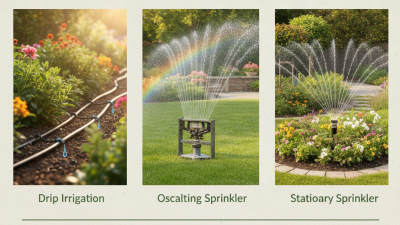
When choosing a rotating spray head, several factors play a crucial role. The first is the spray pattern. Consider if you need a wide angle or a focused stream. A wider angle can cover more area, but a focused stream may be better for precision tasks. Think about your specific requirements.
Durability is another critical aspect. Material types can affect longevity. Metal components often outlast plastic ones, especially in harsh environments. Evaluate where you will use the spray head. If it's for outdoor use, weather resistance is essential.
Finally, ease of use cannot be overlooked. Look for heads with comfortable grips. Tight knobs should allow smooth adjustments. Additionally, ensure that the rotation mechanism works reliably. A sticky rotation can lead to frustration. Reflect on these factors to find the right fit for your needs.
Factors to Consider When Choosing a Rotating Spray Head
Evaluating Spray Patterns and Coverage Area
Choosing the right rotating spray head can significantly impact your irrigation efficiency. Evaluating spray patterns helps ensure that water coverage is uniform. According to industry studies, about 30% of irrigation water is wasted due to inefficient spray patterns. A well-designed spray head should provide adequate overlap to cover the entire area, preventing dry spots.
Spray coverage area is another crucial factor. The American Society of Agricultural and Biological Engineers (ASABE) suggests that an ideal spray pattern should cover a 10-foot radius while maintaining a droplet size that minimizes drift. Spray heads with wide coverage can reduce the number of units needed, lowering installation and maintenance costs. However, larger spray patterns may lead to overspray, which can waste water and harm nearby areas.
When making a choice, consider the shape of your garden. Irregular areas may require specialized heads to achieve full coverage. Some users find it challenging to achieve the desired results from standard rotating spray heads in non-standard layouts. Soil type also influences water absorption. Clay soils may not absorb water as quickly as sandy soils, leading to runoff. It is important to test and adapt your selection over time for optimal performance.
Material and Durability: What to Look For
When selecting a rotating spray head, material and durability are paramount. High-quality materials not only impact longevity but also performance. Stainless steel and high-grade plastics are good choices. They resist corrosion and can withstand varying weather conditions. Consider how often you will use the spray head. Frequent use requires a more robust material to avoid wear.
Additionally, examine the construction quality. Does it feel sturdy in your hand? A solid spray head can endure regular exposure to water and pressure. Testing for leaks is crucial. A durable spray head should maintain its integrity over time without deteriorating.
It's essential to reflect on your specific needs. Maybe a lightweight plastic would suffice for casual use, but professionals often necessitate a more durable option. Weigh the pros and cons of each material. Sometimes, a cheaper option looks appealing but may fail sooner. Balancing cost with quality ensures you make the best choice for your unique circumstances.
Price Range and Budget Considerations for Spray Heads
When selecting a rotating spray head, budget is crucial. The average price range for these devices varies significantly. Basic models can start at around $10, while high-end options may exceed $100. According to industry reports, the median price for quality spray heads is approximately $35. This price correlates with durability and performance.
Considering this investment, it's essential to assess your needs. If you only require occasional use, a less expensive option may suffice. However, for frequent gardening or professional landscaping, spending more can offer better efficiency and longevity. Remember, the initial cost often reflects the quality and features of the product.
Tip: Look for reviews and ratings, as feedback from experienced users provides reliable insights.
Before making a purchase, create a budget based on your frequency of use and performance expectations. It's not uncommon for buyers to regret not investing in a higher quality product that meets their long-term needs. This can lead to recurrent costs that exceed the initial savings of a cheaper option.
Tip: Always consider warranty options. It adds value and reassures you in case of malfunction.