Top Rotating Spray Head Features for Efficient Cleaning Solutions?
In recent years, the demand for efficient cleaning solutions has accelerated. The introduction of the Rotating Spray Head has shown significant potential in this market. According to a report by MarketsandMarkets, the global cleaning equipment market is projected to reach $30 billion by 2025. Innovations like the Rotating Spray Head play a crucial role in meeting this demand.
The Rotating Spray Head enhances visibility and coverage during cleaning tasks. Its design allows for a 360-degree spray pattern, which can reduce cleaning time by up to 25%. In commercial settings, this efficiency is invaluable. However, some users express concerns about durability over time. These issues require careful consideration during selection.
Moreover, optimal cleaning results depend on correct usage and maintenance. Reports indicate that improper handling can lead to a decrease in performance. Regular maintenance of the Rotating Spray Head is essential. This ensures consistent efficiency and longevity, fostering trust in its capabilities.
Key Features of Rotating Spray Heads for Cleaning Applications
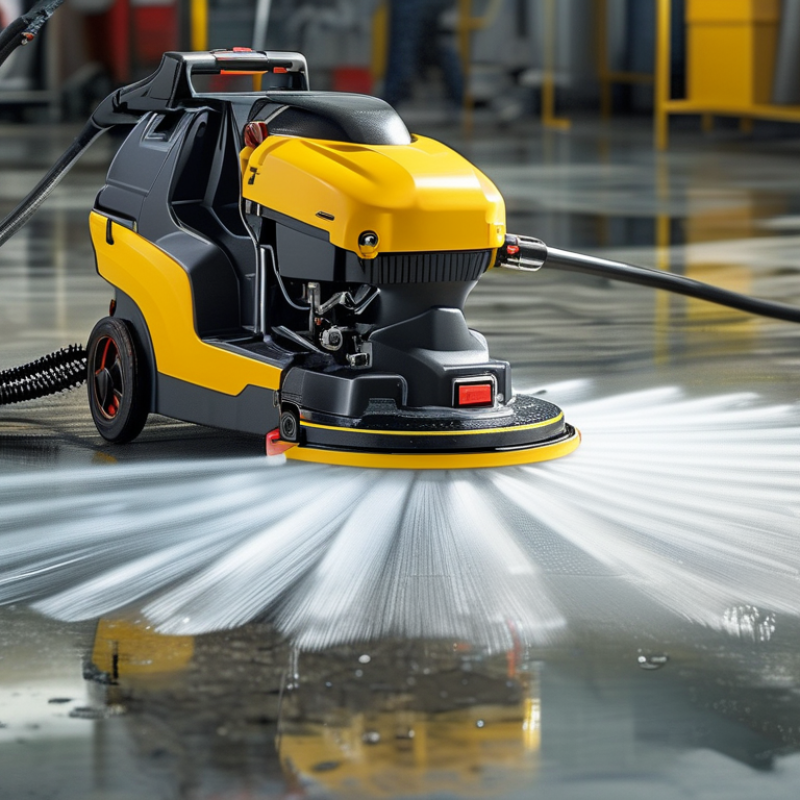
Rotating spray heads are becoming essential in various cleaning applications. Their effectiveness is largely attributed to specific design features that enhance cleaning efficiency. One key feature is adjustable spray patterns, which allow users to customize the spray based on the cleaning task. According to a report by the Cleaning Equipment Trade Association, tools with adjustable features make cleaning 30% more efficient.
Another important aspect is the rotation speed of the spray head. A faster rotation can distribute cleaning solutions more evenly. Some studies indicate that products with high-speed rotation can reduce cleaning time by up to 40%. The ability to cover larger areas quickly not only saves time but also improves the overall cleaning quality.
Durability in materials is also a crucial factor. High-quality rotating spray heads, often made from corrosion-resistant materials, ensure longevity. This is essential as reports indicate that durability can impact operational costs significantly over time. While many have started investing in these features, it’s crucial to reflect on ongoing maintenance needs. Proper maintenance can enhance performance and extend lifespan.
Top Rotating Spray Head Features for Efficient Cleaning Solutions
Understanding the Mechanism of Rotating Spray Heads in Cleaning
Rotating spray heads are vital for efficient cleaning. Their mechanism revolves around creating a dynamic water pattern. This feature enhances coverage and reduces cleaning time. The sprays rotate, allowing water to reach tricky areas. The design generally includes adjustable angles. This helps in directing water exactly where needed.
The hydraulic system within these spray heads plays a crucial role. By generating centrifugal force, the spray pattern is optimized. The result is improved effectiveness in various cleaning tasks. Users often find it challenging to adjust settings on the first try. Experimentation is key to mastering this tool.
Every cleaning situation is unique. Some may find the spray patterns overwhelming. Others might struggle with the pressure settings. Such situations remind us that not every cleaning tool fits every task perfectly. Engaging with the rotating spray head allows for adaptability. Understanding its strengths and weaknesses can greatly enhance its usefulness.
Advantages of Using Rotating Spray Heads for Efficient Cleaning
Rotating spray heads are becoming increasingly popular for efficient cleaning solutions. They deliver targeted coverage and maximize cleaning effectiveness. According to a recent industry report, devices with rotating spray heads can clean up to 30% faster than traditional spray nozzles. This increased efficiency can save time and resources, particularly in commercial settings where cleanliness is crucial.
One significant advantage of rotating spray heads is their ability to adjust the spray pattern. This flexibility allows users to tackle various surfaces and materials. A study found that rotating spray heads reduced detergent usage by approximately 20% due to their optimized cleaning performance. However, some users may find the initial adjustment period challenging. The learning curve can lead to inconsistent results if not used correctly.
Moreover, rotating spray heads often improve water-saving capabilities. They utilize a more focused water stream, which can reduce water usage by up to 40%. Yet, depending on the application, they may require more frequent maintenance. Users should be mindful of clogging issues, as debris can impact their performance. This balance between efficiency and maintenance needs is essential for long-term success.
Comparing Rotating Spray Heads with Traditional Nozzles
Rotating spray heads are a game-changer in cleaning technology.
Unlike traditional nozzles, they provide a wide coverage area. This leads to reduced cleaning time.
They use a spinning action that distributes water more evenly. This ensures every surface gets attention.
The efficiency of these spray heads can cut down on water usage significantly.
As cleaning challenges grow, optimizing tools becomes essential.
Traditional nozzles often have limitations. Their fixed spray patterns can leave dirt behind.
With rotating spray heads, users can customize their cleaning.
They can change the direction or the water pressure easily.
This flexibility can address various surfaces and tasks.
However, there are still concerns, such as durability and maintenance needs.
Users might find that not all rotating heads are built to last.
It is crucial to consider quality when making a choice.
In conclusion, comparing these two types of cleaning devices brings valuable insights.
Rotating spray heads offer more efficient solutions in many scenarios.
However, traditional nozzles still have their place.
Each option presents its own strengths and weaknesses.
Knowing what you need is key to making the right choice.
Maintenance Tips for Optimal Performance of Spray Heads
When it comes to maintaining the performance of rotating spray heads, routine checks are essential. Regular inspection can help identify issues like clogs or wear. Clogged nozzles can lead to uneven spray patterns. To keep them functioning well, ensure you clean them frequently.
Tips to enhance spray head performance include using filtered water. This reduces sediment buildup. Check your spray patterns often. If uneven, it may be time to replace or clean your heads. Over time, scaling can form, affecting the spray quality.
Remember to adjust the pressure settings on your system. Too high or too low pressure can decrease efficiency. Regularly verify that all connections are tight. Loose connections can lead to leaks, wasting water and affecting performance. If you notice inconsistent results, don’t ignore them. Regular maintenance is key for lasting efficiency.
Top Rotating Spray Head Features for Efficient Cleaning Solutions
| Feature |
Description |
Efficiency Rating (%) |
Maintenance Tip |
| Adjustable Spray Pattern |
Allows customization of spray type for different cleaning tasks. |
90 |
Regularly check and adjust for optimal cleaning power. |
| Rotating Nozzle |
Provides a 360-degree cleaning capability. |
85 |
Clean the nozzle regularly to prevent blockages. |
| Water Pressure Control |
Optimizes the flow for various cleaning surfaces. |
88 |
Adjust pressure according to cleaning needs. |
| Self-Cleaning Mechanism |
Prevents buildup of dirt and debris inside the spray head. |
92 |
Use the self-cleaning feature regularly for best results. |
| Durable Material |
Resists corrosion and ensures longevity. |
95 |
Inspect for wear and tear periodically. |