How to Choose the Right Garden Sprinkler Head for Your Lawn?
Choosing the right Garden Sprinkler Head for your lawn is essential for healthy growth and vibrant color. With different types available, it can be confusing. Each garden is unique, and so are its watering needs. A suitable sprinkler head ensures even distribution and effective water usage.
When selecting a Garden Sprinkler Head, consider factors like lawn size and type. Some heads are excellent for large areas, while others work best in tight spaces. Think about plant species. Different plants require different amounts of water. A mismatch can lead to dry patches or oversaturation, both of which harm growth.
Don’t rush your decision. Take time to understand your garden's needs. Research various models and read user reviews. The best choice may not be the most expensive. A sprinkler head should be durable and reliable. Make sure it fits your setup perfectly. Your lawn depends on these choices. A little thought goes a long way in achieving the lush garden you desire.
Types of Garden Sprinkler Heads and Their Applications
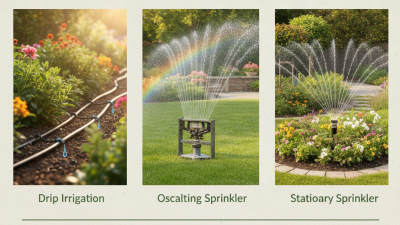
Choosing the right garden sprinkler head is crucial for maintaining a beautiful lawn. There are several types of sprinklers, each with specific applications. The three main types are spray heads, rotor heads, and drip emitters. According to the Irrigation Association, roughly 50% of residential water use goes to outdoor irrigation, making the right choice essential.
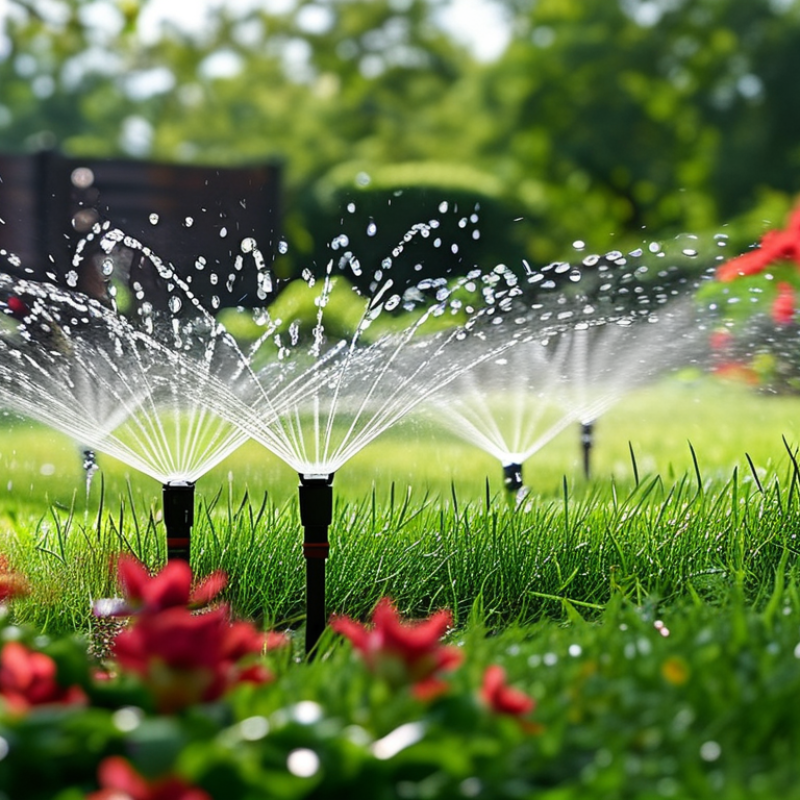
Spray heads work well for small areas. They cover a radial pattern and are ideal for lawns and flower beds. Their range typically varies from 10 to 15 feet. However, these sprinklers can lead to water evaporation and runoff if used improperly. Monitoring their coverage is important, especially in hotter climates where water conservation is critical.
Rotor heads, in contrast, are suitable for larger areas. They rotate in a circular pattern, distributing water over a longer distance, often up to 50 feet. This makes them efficient for spacious lawns or golf courses. However, they may take longer to water the same area compared to spray heads. Adjusting their speed and coverage can make a notable difference in water usage. Understanding these details is key to optimizing irrigation and ensuring your grass thrives.
How to Choose the Right Garden Sprinkler Head for Your Lawn? - Types of Garden Sprinkler Heads and Their Applications
| Type of Sprinkler Head |
Application |
Coverage Area |
Water Pressure |
Advantages |
| Fixed Sprinkler |
Small lawns, flower beds |
Up to 15 ft |
Low to medium |
Easy to install, affordable |
| Oscillating Sprinkler |
Medium-sized lawns |
Up to 30 ft |
Medium |
Covers wide areas evenly |
| Rotary Sprinkler |
Large lawns, grassy areas |
Up to 50 ft |
Medium to high |
Adjustable range, efficient water usage |
| Soaker Hose |
Garden beds, vegetable gardens |
Variable |
Low |
Water penetrates soil, reduces runoff |
| Bubbler Sprinkler |
Containers, tree roots |
Limited coverage |
Low |
Great for targeted watering |
Factors to Consider When Choosing a Sprinkler Head for Your Lawn
Choosing the right garden sprinkler head is crucial for maintaining a healthy lawn. Various factors influence this decision, including the size of your lawn, the type of plants, and water pressure. According to the Irrigation Association, improper sprinkler selection can lead to water waste.
When assessing your lawn, consider the area you want to cover. For large spaces, a rotating head may be suitable. Smaller lawns may benefit from fixed heads. Pay attention to your water pressure as well. A low-pressure system may not support high-efficiency sprinklers.
Tips: Look for models that offer adjustable spray patterns. This adds flexibility to your irrigation plan. Regularly check for clogs to ensure optimal performance. Remember, even the best sprinkler can struggle if its installation isn't right.
Also, consider the type of soil. Sandy soils drain quickly and may need more frequent watering. Clay soils retain moisture longer, so you might water less. Keep in mind that each lawn is unique. It can take time and adjustments to find the right setup. Be patient as you observe your lawn's response to different sprinklers.
How to Measure Your Lawn for Proper Sprinkler Coverage
Measuring your lawn accurately is vital for proper sprinkler coverage. Start by sketching your yard's shape. This could be rectangular, oval, or even irregular. Use a tape measure to find the length and width of your lawn. Note down each measurement carefully. For round areas, measure the diameter.
Once you have your dimensions, compute the total square footage. This helps in selecting the right sprinkler head. For example, multiply the length by the width for rectangular spaces. Check the manufacturer's guidelines for coverage area. Accurate calculations ensure every corner of your lawn receives water.
Consider obstacles like trees or landscaping features. These can block sprinkler spray. You may need additional heads to cover these areas fully. Assess the water pressure in your system. Low pressure might require a different type of sprinkler. Lastly, reflect on your lawn's specific needs. Not every garden is the same. Tailoring your approach ensures a lush, healthy lawn.
Tips for Installing and Adjusting Your Garden Sprinkler Head
Installing and adjusting your garden sprinkler head is crucial for a healthy lawn. Begin by choosing the right type of sprinkler. Consider the size of your lawn and specific watering needs. For example, a rotating sprinkler head is ideal for larger areas, while a fixed head suits smaller patches. Knowing the layout of your yard helps in selecting the best options for coverage.
When installing, make sure the sprinkler is level with the ground. If it’s too low, grass may grow over it, affecting functionality. If it’s too high, it can be damaged. Use a shovel to dig a narrow trench around the head for proper placement. After installation, fine-tune the direction of the spray. Observe how it covers your lawn. Adjusting the angles might be necessary for full coverage.
It's important to regularly check for blockages or malfunctions. Over time, dirt and debris can clog the sprinkler head. Clear any blockage to maintain water flow. Outdoor conditions can also change, so don't hesitate to revisit your sprinkler's setup seasonally. Adjustments may be needed based on weather patterns or lawn growth. Keep flexibility in mind when managing your watering system.
Maintenance Practices for Optimal Sprinkler Performance
Maintaining your garden sprinkler system is crucial for its performance. Regularly check the heads for dirt and debris. Clogged nozzles can lead to uneven watering. Clean them monthly for better efficiency.
Inspecting the entire system is equally important. Look for leaks or broken parts. Leaks waste water and money. Replace any damaged components promptly. Regular maintenance prevents larger issues down the line.
Adjusting sprinkler heads can also enhance coverage. Ensure they direct water evenly across your lawn. Overwatering can create puddles, while underwatering leads to dry spots. Finding the right balance is an ongoing task. Keep records of evaluations to improve your approach. Remember, a well-maintained system is key for a healthy lawn.
How to Choose the Right Garden Sprinkler Head for Your Lawn?
The chart above illustrates the effectiveness of different types of garden sprinkler heads in water distribution. This information can help you choose the right sprinkler option for optimal lawn care and maintenance.