How to Choose the Right Garden Sprinkler Head for Your Needs?
Choosing the right Garden Sprinkler Head can be a daunting task for many homeowners. A recent report from the Irrigation Association states that over 40% of residential water use is attributed to irrigation, highlighting the importance of efficient watering solutions. According to irrigation expert Dr. Emily Green, "Selecting the correct sprinkler head is crucial for maximizing water efficiency and ensuring a healthy garden."
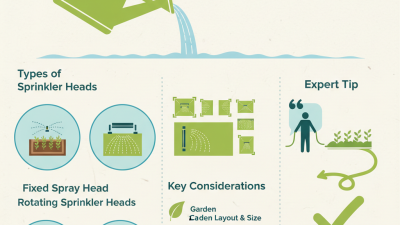
Different gardens have unique watering needs. Factors like plant variety, soil type, and garden layout dictate the best sprinkler head choice. For instance, fixed spray heads work well for flower beds, while rotor heads are better suited for larger lawns. However, many gardeners often overlook these specifics, leading to water waste and poor plant health. An informed selection can save time, money, and resources.
Understanding the various types available can help. Each Garden Sprinkler Head type has its advantages and disadvantages. One might excel in coverage but lack efficiency. This dilemma requires careful consideration. Identifying the right match for your space fosters better growth and enhances sustainability.
Understanding Different Types of Sprinkler Heads and Their Uses
When it comes to garden sprinklers, understanding the types is essential. There are several options available, each with specific uses. For larger areas,
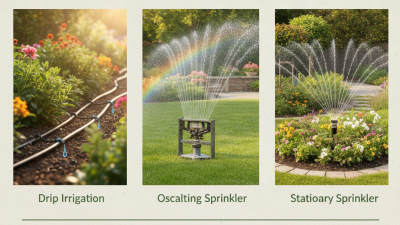
oscillating sprinklers provide even coverage. They move back and forth, watering grass and plants thoroughly. If your garden has various plants, a stationary sprinkler may be beneficial.
It delivers a consistent spray in a set area, making it ideal for smaller spaces.
Rotary sprinklers can also serve multiple purposes. They rotate to cover a wider area, suitable for irregularly shaped gardens. However, they may require adjustments to ensure complete coverage.
For delicate flowers or seedlings,
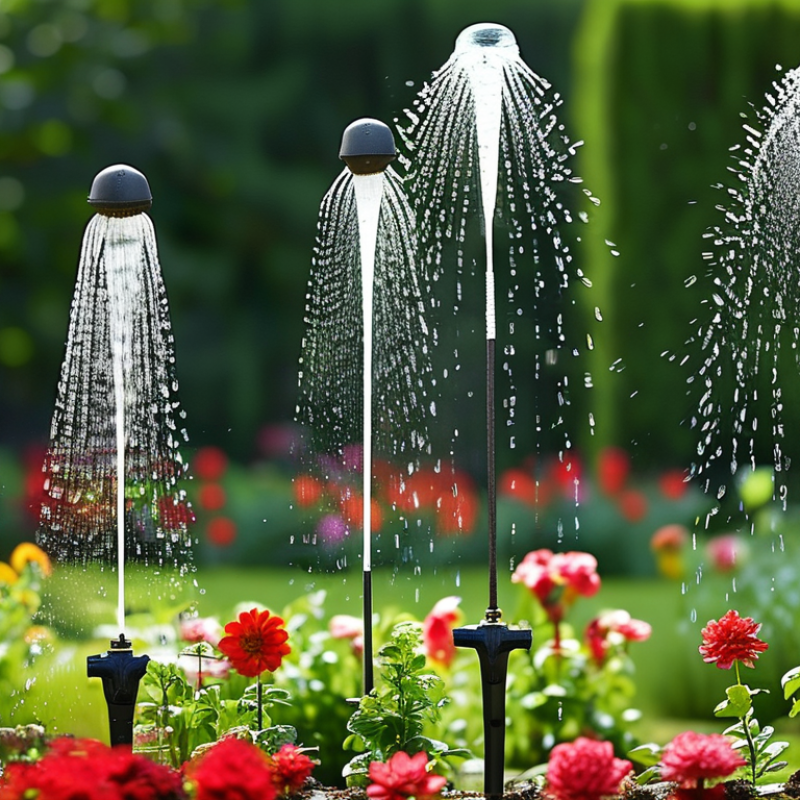
micro-sprinklers offer a gentle solution. They release water slowly, preventing soil erosion and ensuring the roots receive moisture without being overwhelmed.
Evaluating your garden's needs is crucial. Think about the size of your space, the type of vegetation, and the local climate. Consider potential fluctuations in water pressure as well.
One size does not fit all when it comes to choosing the right sprinkler head. A thoughtful approach can help you avoid overwatering or underwatering. It's important to reflect on these details to
select an effective option for your garden.
Evaluating Coverage Area Requirements for Your Garden
When selecting a garden sprinkler head, evaluating coverage area requirements is crucial. Different gardens have varied shapes and sizes. A small flower bed may only need a compact sprinkler, while a larger lawn could require a more extensive system. Measure your garden’s dimensions accurately. This ensures you choose a sprinkler that provides uniform water distribution.
Consider the type of plants in your garden. Some areas may need more water than others. A simple oscillating sprinkler might not suffice for all. Reflect on how water reaches each plant. Overwatering or underwatering can harm growth. You might find that certain sections receive less water, leading to dry patches. Testing various setups can help fine-tune your coverage. Remember, gardening is often about trial and error. Adjusting your approach based on performance is essential.
Assessing Water Pressure and Flow Rate for Optimal Performance
Choosing the right garden sprinkler head can significantly impact your garden's health. Water pressure and flow rate are crucial factors. Knowing your water pressure helps in selecting a compatible sprinkler head. Low pressure might necessitate a different type of head than high pressure. You must assess your system's capabilities before making a decision.
To measure water pressure, use a pressure gauge attached to an outdoor faucet. Ideal pressure is usually between 30 to 50 PSI for most home gardens. A flow rate test will further clarify your needs. Collect water in a container over a set time. This shows how much water your system provides. Comparing this data can prevent issues later.
Consider the irrigation patterns required for your garden. Different plants may need varying moisture levels. Analyzing your garden layout can help identify areas needing more water. Sometimes, you might find your pressure is not as expected. Adapting to these factors ensures optimal performance for your sprinkler system. Regular adjustments may be necessary as conditions change.
Considering Soil Type and Plant Needs for Efficient Irrigation
Choosing the right garden sprinkler head is crucial for effective irrigation.
Soil type and plant needs play a significant role. For instance, sandy soils drain quickly, requiring more frequent watering. Clay soils, however, retain moisture better, so less frequent irrigation is needed. Understanding these differences can lead to more efficient water use.
Research indicates that nearly 63% of homeowners do not adjust their irrigation based on their soil type, often leading to overwatering or underwatering. Over 30% of irrigation water is wasted due to poor system design. This is where choosing the right sprinkler head comes in. For dense clay, a head that provides a slow, deep soaking is ideal. Conversely, sandy soil benefits from lighter sprinklers that evenly distribute water.
Additionally, different plants have unique water requirements. Native plants generally need less water than exotic varieties. For example, succulents thrive in well-drained soil with minimal water. Understanding these diverse needs helps in making informed decisions. Balancing efficiency and plant health is a challenge, but it’s vital for sustainable gardening. Addressing these elements can reshape how we approach home irrigation systems.
Calculating Cost and Maintenance of Various Sprinkler Systems
When selecting a garden sprinkler system, cost and maintenance play crucial roles. According to industry reports, the average cost of a sprinkler system ranges from $1,500 to $3,000 for installation. For homeowners with modest gardens, opting for a simpler system can significantly reduce these costs. Regular maintenance is essential for longevity, possibly costing up to $200 annually. Understanding the basics of care can save money in the long run.
Opting for a system that suits your garden size and type is vital. For instance, stationary sprinklers may require less upkeep than rotating ones. Also, consider local water rates; efficient systems can reduce bill expenses. Research shows efficient drip irrigation methods can cut water use by about 30%.
Tips: Regularly inspect your sprinkler heads for clogs. This simple task can prevent overwatering and maintain a healthy garden. Also, seasonal adjustments to sprinkler schedules can prevent unnecessary water waste, enhancing efficiency. Ensure you adapt the system maintenance according to its usage and climate changes, as neglect can lead to extensive repairs later.