2026 How to Choose the Best Water Sprinkler Head for Your Needs?
Choosing the right Water Sprinkler Head can significantly impact the health of your landscaping. In 2021, the water management industry reported that effective irrigation systems can reduce water usage by up to 50%. Selecting appropriate sprinkler heads ensures coverage and efficiency in watering your garden or lawn.
Different types of Water Sprinkler Heads are available, each designed for specific needs. Fixed heads are ideal for small areas, while rotating heads cover larger spaces effectively. According to industry experts, a mismatch between sprinkler type and landscape needs can lead to uneven watering and wasted resources.
When assessing various Water Sprinkler Heads, consider factors like water pressure, scale of your garden, and plant types. Many homeowners struggle to find the right fit, often realizing too late that their choice was not optimal. Understanding these elements can lead to better decisions, ensuring that your irrigation system works as intended and contributes to sustainable practices.
Understanding Different Types of Water Sprinkler Heads
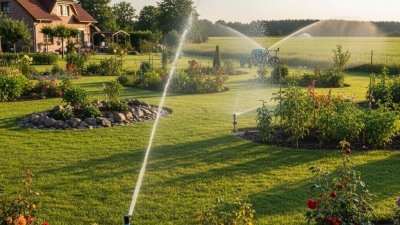
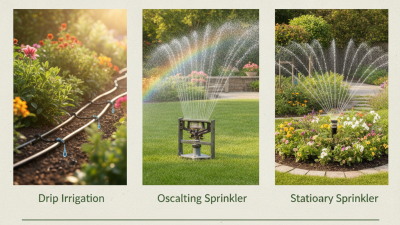
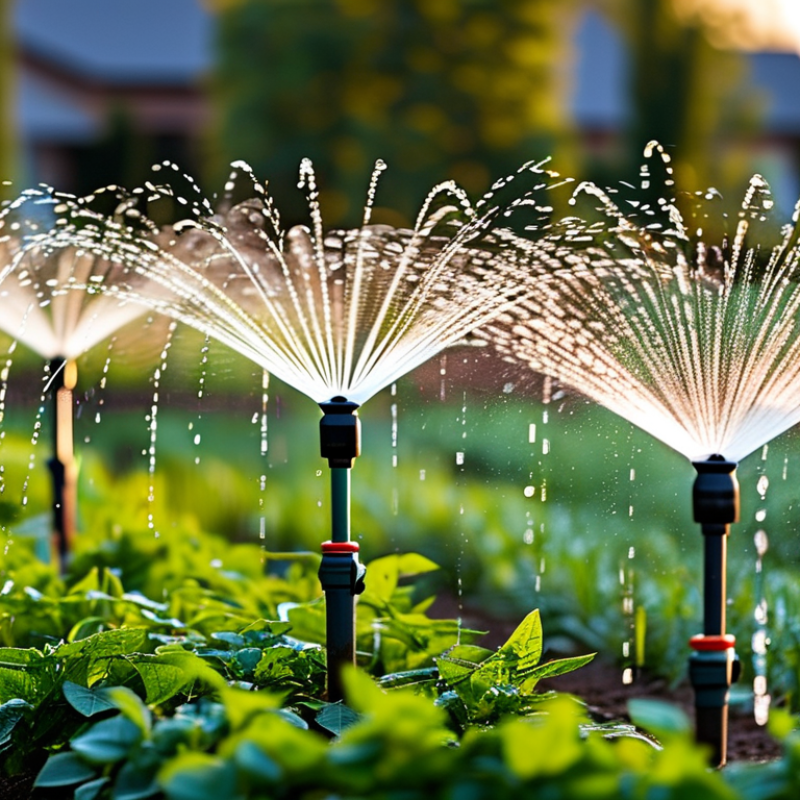
When selecting a water sprinkler head, it's vital to understand the variety of options available. Two common types are stationary and rotating sprinklers. Stationary heads are fixed in place, providing a consistent watering pattern. They work well for small areas. Rotating sprinkler heads, however, move to cover larger spaces. Their ability to adjust makes them versatile.
Each type has its pros and cons. Stationary heads are simple and reliable but lack coverage in larger yards. Rotating heads can water a wide area, but they may require more maintenance. Additionally, consider the flow rate and pressure. This can affect how well your chosen type performs.
Don't overlook the landscape itself. Different plants have varying water needs. Some areas may require finer misting, while others need heavy watering. Assess your garden thoroughly before deciding. Addressing these details can enhance the effectiveness of your watering system. Your choice of sprinkler can impact water usage and plant health.
Factors to Consider When Choosing a Water Sprinkler Head
Choosing the right water sprinkler head can be challenging. Several factors come into play. First, consider the size of your lawn or garden. Larger areas may require rotating heads for even coverage. In contrast, smaller spaces might benefit from stationary systems.
Water pressure is another critical factor. Some sprinkler heads function better under higher pressure. If your home has low water pressure, pick a model designed for such conditions. This choice affects both efficiency and performance.
Tips: Ensure your selected sprinkler head matches your landscape’s needs. Check for features like adjustable nozzles or range settings. These adjustments can enhance water distribution and save resources.
Also, think about specific plant types. Delicate flowers and robust shrubs have different watering needs. Assessing these will guide your decision. Avoid rushing the selection process. Take your time to experiment and document results. Your landscape deserves the best attention.
Evaluating Sprinkler Coverage and Range for Your Landscape
When choosing the right water sprinkler head, evaluating coverage and range is crucial. Different areas in your landscape may require varied watering techniques. For example, a small garden bed may benefit from a drip irrigation system, while a larger lawn may need a rotating sprinkler head for broader coverage.
Consider the shape of your landscape. Rectangular areas often require a different sprinkler type than circular ones. Sprinklers might need fine-tuning to ensure every corner receives adequate water. Missing a spot can lead to uneven growth or dry patches. Ensure the radius and flow rate of your chosen sprinkler match the area’s needs.
Test your setup regularly. Look for areas that are oversaturated or still dry. It's essential to adjust the angle and distance of your sprinkler head for optimal results. Remember, even the best systems require adjustments based on weather changes. Be prepared to reassess your initial decisions for better efficiency and healthier plants.
Assessing Compatibility with Your Irrigation System
When assessing compatibility with your irrigation system, start by understanding your existing setup. Identify the type of irrigation you have, whether it's drip, sprinkler, or soaker hose. Each system has specific requirements. Knowing your water pressure and flow rate is crucial too. These factors dictate which sprinkler heads will function effectively.
Consider the size of your garden or lawn. If you need to cover a large area, a rotating sprinkler head might be more suitable. Look at the radius and spray pattern of potential options. Small yards may benefit from a stationary head. Keep in mind that not all heads fit all systems. Mismatched components can lead to inefficiency or inadequate coverage.
Evaluate the materials used in the sprinkler heads. Durable materials can withstand weather changes. This decision affects the longevity of your irrigation setup. However, some cheaper options might work initially but wear out quickly. Reflect on the maintenance needed for each type. Will it be easy to replace or repair? Choosing the right head requires careful thought and some trial and error. Each gardening journey is unique, so take your time to find what truly suits your needs.
Maintenance Tips for Optimal Performance of Sprinkler Heads
Maintaining your sprinkler heads is crucial for optimal performance. Regular checks can prevent common issues. Inspect the nozzles for clogs. Debris can affect the water distribution. Grit and dirt easily accumulate. Clean them with water and a soft brush.
Adjust the spray patterns periodically. This allows for even coverage across your garden. Over time, plants may grow or change. This can make your initial settings insufficient. Test the sprinkler's reach every season. Make adjustments as needed.
Don’t neglect seasonal maintenance. After winter, ensure that all components are intact. Look for cracks or wear. Not all issues are obvious. Some may require professional help. Consider scheduling regular maintenance checks to keep things running smoothly. An ounce of prevention is worth a pound of cure.