2026 How to Choose the Best Hose Connector for Your Needs?
When selecting the right hose connector, it’s vital to understand your specific needs. As John Smith, a leading expert in the hose connector industry, once said, “Choosing the right hose connector can transform your experience.” This rings true whether you’re watering your garden or managing complex industrial tasks.
Each hose connector type has unique features and specifications. It can be overwhelming to navigate the options available. Look for connectors made from durable materials. Analyze the compatibility with your hoses and fittings. Don’t overlook size and pressure ratings. Sometimes, a seemingly minor detail can lead to significant issues.
Remember, even experts face challenges in choosing the perfect hose connector. There’s no one-size-fits-all solution. A deep understanding of your requirements guides your choice. Take the time to research and compare products. Your efforts will lead to a more efficient connection and a smoother workflow.
Understanding the Different Types of Hose Connectors Available
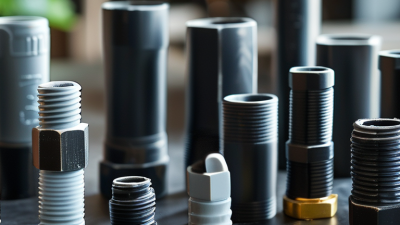
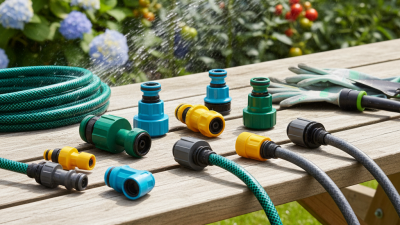
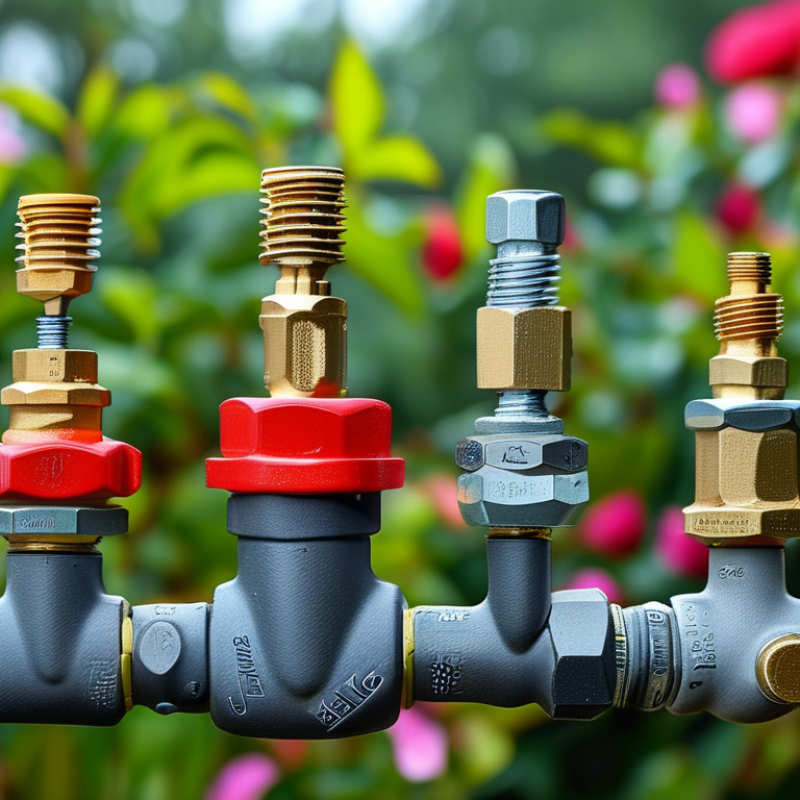
When it comes to choosing a hose connector, understanding the various types available is crucial. There are several options, each designed for specific applications. For instance, barbed connectors are ideal for flexible hoses. They create a tight seal but may not work well with rigid tubing. Quick-connect fittings are handy for fast assembly and disassembly. They’re popular in gardening and pressure washing.
Tip: Always match the connector size with the hose diameter to avoid leaks. Misalignment can lead to breaks in the connection.
Compression fittings provide a secure option for high-pressure applications. They are often used in plumbing and industrial settings. However, they can be complicated to install. Swivel or rotating connectors allow for flexibility and ease of use. In contrast, couplings are straightforward but may not support high-pressure systems effectively.
Tip: Check for compatibility based on your specific use case. Pressure ratings and materials are essential factors in ensuring reliable performance. Choosing the wrong connector can lead to costly repairs.
A good quality connector can enhance your system's efficiency. Nevertheless, consider the environment where you’ll use it. Some connectors may corrode or degrade in harsh conditions. Evaluate these aspects carefully to make an informed decision.
Understanding the Different Types of Hose Connectors Available
Key Factors to Consider When Choosing a Hose Connector
Choosing the right hose connector can significantly impact efficiency and functionality. Several key factors are essential when making your selection. Material plays a crucial role. Connectors made from brass or stainless steel are typically more durable and resistant to corrosion, considering research showing that over 50% of hose failures stem from connector issues.
Fit is another vital factor. Ensure that your connector matches the diameter and threading of your hoses. An incorrect fit can lead to leaks or even bursts during operation. Industry insights indicate that improper fittings account for nearly 30% of water waste in irrigation systems.
Tips: Always test your connectors before fully installing them. This helps avoid issues later on. Regularly check for wear after heavy use. Don't underestimate the importance of compatibility with attachments.
It's also wise to consider the pressure ratings. Connectors must withstand the maximum pressure your application requires. Inadequate pressure ratings can cause connectors to crack, especially under stress. You could experience failures that disrupt operations and lead to unplanned expenses.
Material and Durability: What to Look for in Hose Connectors
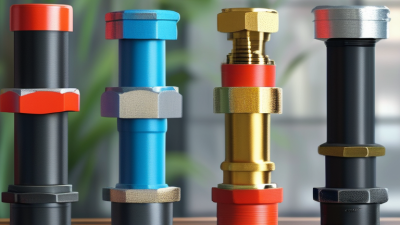
When selecting hose connectors, material and durability should be your top priority. Look for connectors made from robust materials like brass or reinforced plastic. Brass has excellent longevity and can withstand higher pressures. Reinforced plastic is lightweight and resistant to rust, making it a practical choice for various environments. However, not every plastic option is created equal. Some may degrade under UV light or extreme temperatures.
Tips: Always check the specifications for temperature and pressure ratings. This information helps ensure you choose a connector that meets your specific needs.
Another factor to consider is the design of the connector. Some connectors feature an ergonomic grip for easy handling. Others may come with a quick-release mechanism for convenience. These features enhance usability, but be cautious. A more complex design may mean more points of failure over time.
Tips: Think about how often you’ll use the connector. If it's for regular gardening, opt for a more durable option, even if it costs slightly more. Quality should not be compromised for savings. Choose wisely and reflect on your needs before making a final decision.
Compatibility with Hose Size and Type for Optimal Performance
When selecting a hose connector, compatibility with your hose size and type is crucial. A perfect match ensures optimal performance and prevents leaks or disconnections. Different hoses are designed for various applications, and knowing your requirements is key. Measure the diameter of your hose accurately. This small step can save you much frustration later.
Consider the material of both the hose and the connector. Plastic connectors are lightweight but may not endure high pressure. Metal connectors are sturdier but can be heavier and may corrode over time. Reflect on the environment where you will use the hose. Will it face extreme temperatures or abrasive materials? This thought process can guide your choice significantly.
Remember that even minor details matter. A connector that seems slightly too large or too small can cause leaks. Inspect the threading; if it’s damaged, it may not seal properly. Be cautious and take your time when making your decision. Sometimes, an apparent perfect fit might not serve its purpose in the long run. Carefully addressing compatibility can save you from potential headaches down the road.
Budgeting for Hose Connectors: Finding the Right Balance
When budgeting for hose connectors, it’s essential to strike the right balance between cost and quality. A lower price might seem attractive, but it often comes with hidden costs. Cheaper connectors may wear out quickly or cause leaks. Investing in reliable connectors can save money in the long run. They reduce the risk of water wastage and damage to your equipment.
Consider your specific needs before making a purchase. Do you need heavy-duty connectors or lightweight options for occasional use? Evaluate the materials and construction. Plastic connectors are lighter but can break easily. Metal options are more durable but may cost more upfront. It’s worth researching various options to find what fits best within your budget.
Take time to read reviews and gather insights from experienced users. Not every connector performs as advertised. Feedback often reveals issues that specs don’t cover. Remember, the goal is to get good value, not just the lowest price. Sometimes, paying a bit more means better performance and longevity. Always keep your needs in mind, and be willing to reassess your choices as you compare your options.