What is a Garden Hose Valve and How Does It Work?
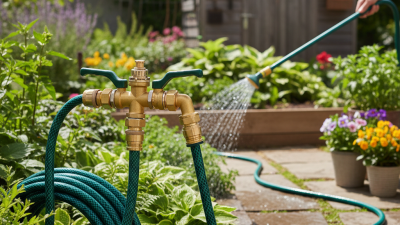
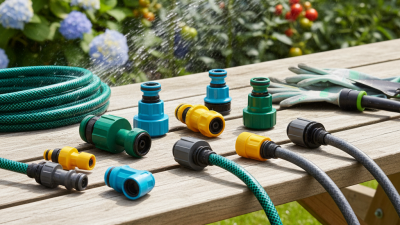
A garden hose valve is a small but essential device for anyone who uses a garden hose. It controls the flow of water, allowing users to start or stop the water with ease. Garden hose valves come in various designs and sizes, ensuring compatibility with different watering systems. When properly installed, they enhance the efficiency of your watering tasks.
Understanding how a garden hose valve works can enhance your gardening practices. This device typically features a simple mechanism that either opens or closes the water path. Its reliability affects everything from watering plants to cleaning outdoor spaces. While many people assume all valves function the same, subtle differences exist. For instance, some valves handle high pressure better than others.
Reflecting on the use of garden hose valves, it becomes clear that they are often overlooked yet crucial. Regular maintenance and checks are necessary to prevent leaks or failures. Without proper attention, a simple valve can lead to wasted water and increased bills. This highlights the importance of selecting a reliable garden hose valve tailored to specific needs.
What is a Garden Hose Valve?
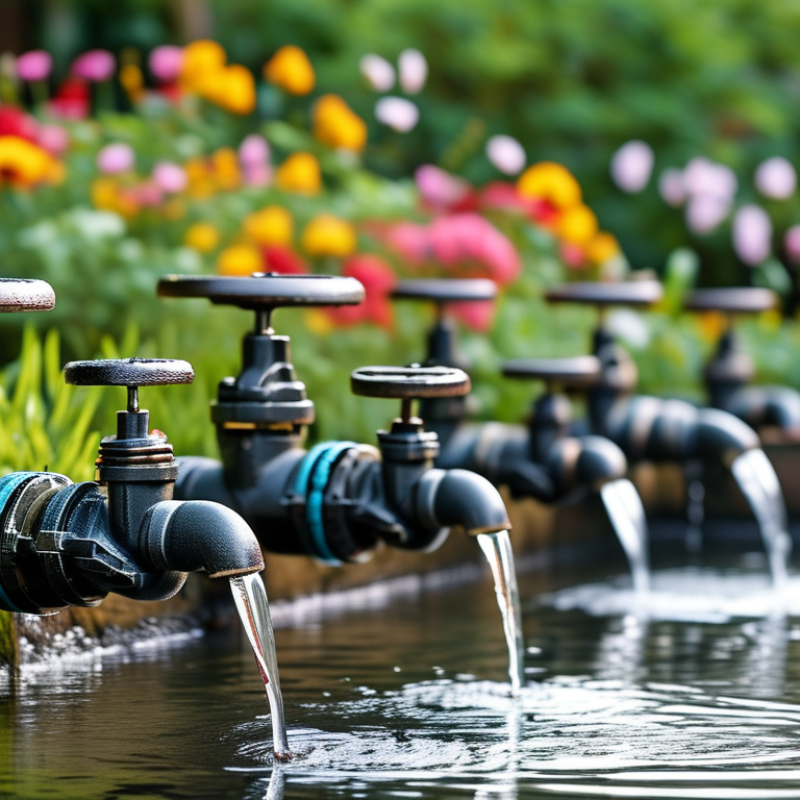
A garden hose valve is a crucial component in controlling water flow. It regulates, directs, or stops the water from a garden hose to various attachments like sprinklers. These valves are typically constructed from durable materials such as brass or plastic, which can withstand outdoor conditions. According to the American Society of Plumbing Engineers, over 50% of water usage in gardens occurs through hoses, making valves essential for efficient water management.
Using a garden hose valve efficiently can save water and money. Homeowners should consider installing a valve with a flow rate that meets their specific needs. For example, a valve with a higher flow rate is useful for larger areas. In contrast, a lower flow rate helps in delicate watering tasks, reducing runoff and ensuring better absorption.
**Tip:** Always check for leaks after installation. Even a small leak can waste a significant amount of water. Regular maintenance of valves increases their lifespan. Replacing worn-out washers can prevent minor leaks before they become major issues.
Types of Garden Hose Valves Available in the Market
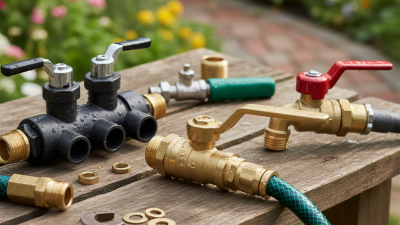
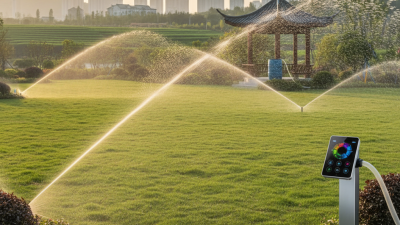
Garden hose valves are crucial components in managing water flow for gardening and outdoor tasks. Various types are available in the market, each serving different purposes. The most common types include manual shut-off valves, hose bib valves, and automatic timers. Manual shut-off valves let you control the water flow with a simple twist. Hose bib valves connect directly to outdoor spigots and can be easily turned on or off. Automatic timers are a modern solution for scheduling watering sessions, making them ideal for busy gardeners.
When choosing a garden hose valve, consider the material. Brass valves are durable but can be heavy. Plastic options are lightweight and easier to handle, but may not last as long. Look for valves with comfortable grips. This feature can make it easier to turn the valve, especially when your hands are wet or muddy.
**Tips:** Regularly check for leaks in your valves. This can save water and reduce your bill. If you notice a drop in water pressure, inspect your valves and hoses for blockages. Additionally, always disconnect hoses during winter to prevent freezing. Taking these small steps can extend the life of your garden hose valve.
What is a Garden Hose Valve and How Does It Work? - Types of Garden Hose Valves Available in the Market
| Valve Type |
Material |
Connection Size |
Features |
Price Range |
| Ball Valve |
Brass or PVC |
3/4 inch |
Durable, Full Flow |
$10 - $30 |
| Gate Valve |
Brass or Stainless Steel |
1 inch |
Minimal Pressure Drop |
$15 - $40 |
| Check Valve |
Plastic or Brass |
3/4 inch |
Prevents Backflow |
$5 - $20 |
| Pressure Regulating Valve |
Brass |
3/4 inch |
Regulates Water Pressure |
$25 - $50 |
How Garden Hose Valves Function Mechanically
A garden hose valve is a critical component in managing water flow for irrigation and outdoor tasks. Its mechanical operation is straightforward yet essential. By turning a lever or knob, users can open or close the valve, controlling water delivery to the hose. This simple action prevents wastage and allows for precise watering.
Garden hose valves often utilize a ball or gate mechanism inside. For instance, a ball valve features a spherical disc that rotates within the body to either allow or block water flow. Gates, on the other hand, slide up or down to open or seal off the pipeline. According to industry reports, valves with ball designs generally provide better sealing capabilities, reducing the risk of leaks. Furthermore, about 20% of all outdoor water use can be linked to inefficient hose valve operation.
Improper handling may lead to common failures, such as leaks or reduced pressure. Many users overlook the importance of regular maintenance. Neglecting minor repairs can escalate into significant issues. Studies show that approximately 30% of homeowners experience problems due to unaddressed valve malfunctions, highlighting the importance of awareness and proactive measures in home gardening practices.
Common Applications of Garden Hose Valves
Garden hose valves are essential components in any garden or outdoor space. They control the flow of water, allowing users to manage their watering tasks efficiently. This mechanism ensures that water can be directed exactly where it's needed, whether it's for watering plants, washing cars, or filling pools.
Common applications of garden hose valves include irrigation systems, where they help regulate water pressure. Homeowners often use them in their gardens to avoid overwatering and to conserve water. Many also integrate these valves with timers, automating the watering process. This helps ensure all plants receive adequate nourishment without constant supervision.
Tips: Always check for leaks before using your valve. A small drip can waste a lot of water over time. Maintain your valves regularly to prevent rust and build-up, which can lead to malfunctions. Remember, even well-made valves can wear out. Check yours occasionally to ensure it works well.
Maintenance Tips for Garden Hose Valves
Garden hose valves are essential for controlling water flow. Proper maintenance ensures they function effectively. Regular inspections can help identify leaks or wear. Check the connection points for any signs of damage. This simple task can save you from larger issues later.
Cleaning the valve is crucial too. Dirt can accumulate, affecting its performance. Use a soft brush or cloth to remove debris. Sometimes, a little lubricant can ease stiff operation. However, avoid over-lubricating. It can attract dirt, causing more problems.
Consider replacing rubber washers inside the valve. They can wear out over time. A worn washer can lead to leaks. Replacements are inexpensive and straightforward. While these tasks seem small, they make a significant impact on the lifespan of your garden hose valve. Regular maintenance can prevent frustrations down the line.
Usage of Garden Hose Valves Over Time
This bar chart illustrates the increase in the number of garden hose valve units sold from 2018 to 2023. It shows a steady growth, indicating a rising interest in garden maintenance and improved irrigation systems.