Top Garden Hose Valve Options for Efficient Water Control?
The choice of the right Garden Hose Valve is critical for effective water management in gardens and landscapes. According to industry reports, efficient water use can lead to a 30% reduction in water waste. This highlights the importance of selecting a high-quality valve. Proper garden valves improve water pressure and flow control, making gardening tasks easier.
Many homeowners overlook the significance of these valves. They often settle for generic models, not realizing that a specialized Garden Hose Valve can enhance performance. Studies suggest that using the right valve can also extend the lifespan of hoses. This is an essential consideration, as regular wear and tear can lead to expensive replacements.
Choosing the ideal valve requires understanding various options available. Factors such as material, design, and ease of installation play a vital role. However, some options may not meet all requirements effectively. It is essential to weigh performance against price. Reflecting on needs and preferences is a worthwhile exercise. This approach ensures optimal choices for efficient water control.
Types of Garden Hose Valves Available on the Market
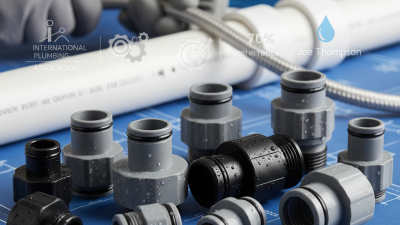
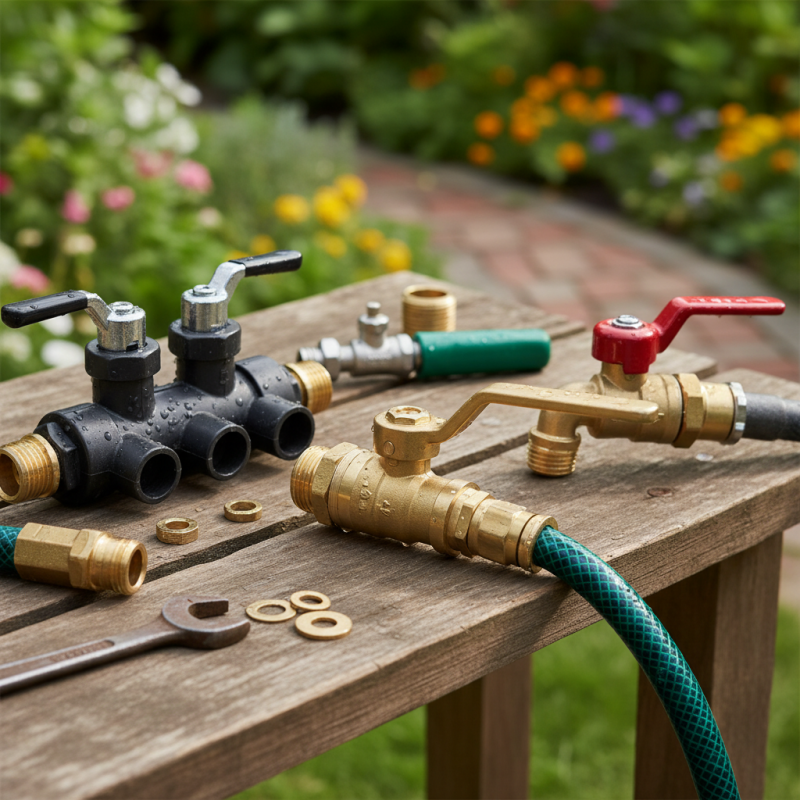
When exploring garden hose valves, several types stand out in the market. Standard shut-off valves are commonly used. They offer simple on/off control and are often made of plastic or brass. Plastic is lightweight but less durable. Brass has a longer lifespan, but it’s heavier and can corrode over time. According to industry data, a significant percentage of homeowners prefer brass over plastic due to its reliability.
Another option is the pressure-regulating valve. These valves help manage water pressure, preventing hose bursts. They are particularly useful for gardens with varying elevation. Studies suggest that using pressure-regulating valves can reduce water wastage by up to 20%, making them an efficient choice. However, installation can be tricky for some users, and improper setup may lead to complications.
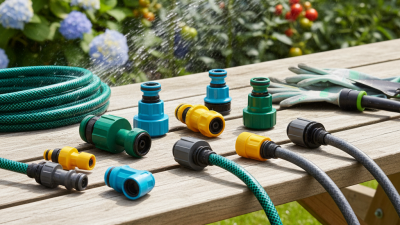
Lastly, multi-outlet hose valves allow connection of multiple hoses or attachments. These valves are ideal for larger gardens. Users can face challenges when trying to manage several water sources simultaneously. Visibly, a well-organized garden will often employ these valves for ease of access. While they enhance efficiency, not all models work optimally in all conditions. Understanding the unique needs of your garden will aid in making the right choice.
Top Garden Hose Valve Options for Efficient Water Control
Key Features to Consider for Efficient Water Control
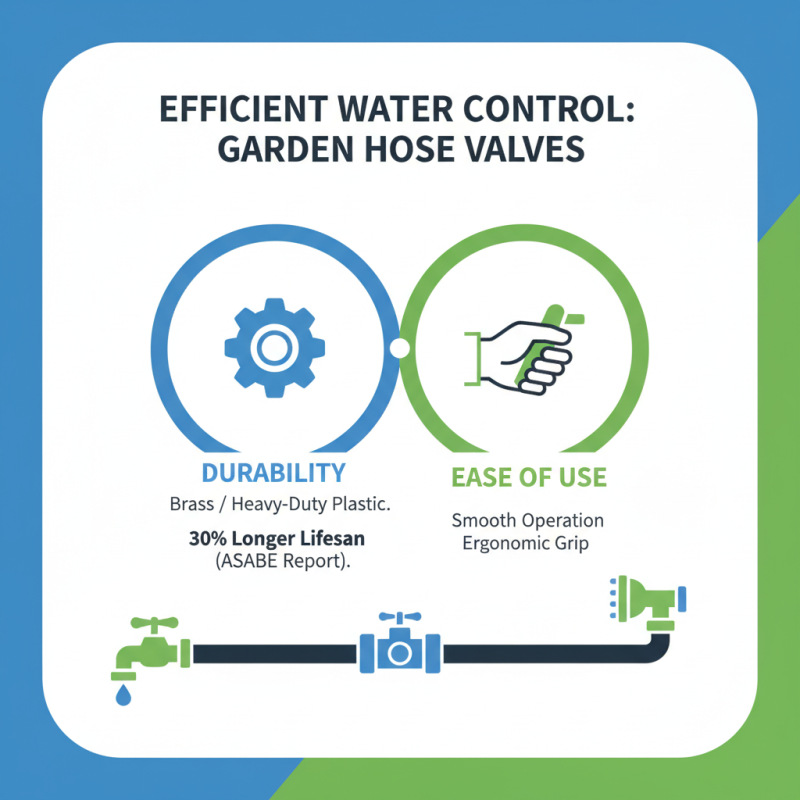
When choosing a garden hose valve, several key features can enhance water control. A reliable valve should have durability and ease of use at its core. High-quality materials, such as brass or heavy-duty plastic, provide longevity. According to a report by the American Society of Agricultural and Biological Engineers, valves made from robust materials can outperform others in durability by up to 30%.
Another crucial feature is the flow rate. Efficient valves allow precise adjustments to water flow, preventing wastage. Studies indicate that controlling flow can reduce water usage by nearly 20% without sacrificing garden health. This control is vital for eco-conscious gardeners. Proper valve design enables better regulation of water distribution for various plants.
Ergonomic designs are also important. Valves should be easy to operate, even when wet. Poor design can lead to hand fatigue and accidental spills. A recent survey highlighted that around 65% of gardeners reported frustration with difficult-to-use valves. Both comfort and functionality should go hand in hand for efficient water management.
How to Install a Garden Hose Valve Correctly
Installing a garden hose valve can enhance your water control. Proper installation influences both efficiency and durability. Start by choosing a suitable location. Ensure it's easily accessible and close to your water source. Many homeowners often overlook this detail and struggle with accessibility later.
Before you begin, gather your tools. A wrench, Teflon tape, and pipe cutter are essential. Turn off the main water supply to avoid leaks during the process. Securely attach the valve to the hose fitting. This step may seem simple, but improper tightness can lead to frustrating leaks. Be cautious not to over-tighten, as this can damage the fittings.
After attachment, test the valve by turning the main supply back on. Watch closely for any leaks. Many projects fail at this stage due to neglected testing. If leaks appear, recheck your connections. It’s a minor hassle, but essential for a successful setup. Taking these steps ensures that your garden hose valve works smoothly, providing efficient water control for your needs.
Maintenance Tips for Prolonging the Life of Hose Valves
Maintaining hose valves is critical for any gardening enthusiast. According to industry data, over 30% of gardening tools fail due to neglect. Regular maintenance can extend the life of hose valves significantly. Inspect for leaks frequently. A simple drip can waste up to 20 gallons of water each day. Tighten connections carefully, ensuring they aren’t cross-threaded to prevent damage.
Cleaning valves is another crucial step. Debris can easily clog mechanisms. Use a soft brush or cloth to remove dirt and mineral build-up. It’s not just about performance; it also affects efficiency. Studies show that a clean valve can improve water flow by 15%. Store hose valves in a dry area during winter months to prevent freezing. Ice can crack the internals and lead to costly replacements.
Lastly, consider the materials of your hose valves. Metal options resist wear, but plastic ones are lightweight. Both have their pros and cons. Choosing the right one is essential for your specific needs. Sometimes, less expensive options break quicker. Reflecting on these practices can help optimize your water control strategy and reduce unnecessary expenses.
Top Garden Hose Valve Options for Efficient Water Control
| Valve Type |
Material |
Flow Rate (GPM) |
Max Pressure (psi) |
Lifespan (Years) |
| Ball Valve |
Brass |
10 |
150 |
10-15 |
| Gate Valve |
PVC |
5 |
100 |
5-10 |
| Butterfly Valve |
Aluminum |
15 |
75 |
7-12 |
Maintenance Tips for Prolonging the Life of Hose Valves
| Tip |
Description |
| Regular Inspection |
Check for leaks, cracks, and corrosion regularly. |
| Lubrication |
Lubricate the valve stem to ensure ease of operation. |
| Winterization |
Drain and store valves properly during winter months to prevent damage. |
Comparative Analysis of Top Garden Hose Valve Brands
When selecting a garden hose valve, understanding the different options can significantly enhance your watering efficiency. Many brands offer various designs, but not all valves are created equal. A durable valve can prevent leaks, which is essential for saving water. Some valves are designed for ease of use, featuring ergonomic handles or simple turn mechanisms. These small conveniences can make a big difference, especially during long watering sessions.
Tips: Always check for compatibility with your existing hose. A mismatched size can lead to frustrating leaks. If using a valve regularly, consider one with a locking mechanism to prevent accidental shut-offs.
In your search, take note of materials. Metals tend to be more durable, while plastics can be lighter and easier to handle. However, lower-quality plastic may wear out faster. Reflect on your garden's needs — a large, sprawling garden might require a more robust valve than a small patio setup. Evaluating these options can lead to better water control and a healthier garden.