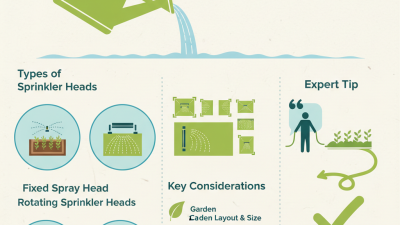
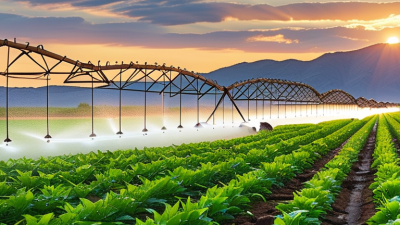
2026 How to Choose an ABS Garden Sprinkler?
Choosing the right Abs Garden Sprinkler in 2026 requires more than comparing prices or spray patterns. A dependable model should match water pressure, garden size, soil type, and local climate. The U.S. Environmental Protection Agency’s WaterSense program reports that landscape irrigation can represent nearly one-third of household water use. It also warns that inefficient outdoor watering can waste significant volumes through evaporation, runoff, and overspray. Small design choices matter.
Look closely at the ABS body, connection threads, nozzle adjustment, and rotation mechanism. ABS plastic is lightweight and generally resists corrosion, but sunlight, freezing temperatures, and rough handling can shorten its service life. A practical test is simple: place the sprinkler on a flat lawn, measure its coverage, and check for dry patches after ten minutes. Uneven arcs often reveal weak pressure or a poorly matched nozzle. The Irrigation Association emphasizes correct system design, pressure management, and uniform application as key efficiency factors.
Water is not unlimited.
The United Nations World Water Development Report 2024 also highlights increasing water stress and the need for more efficient use. Therefore, the best Abs Garden Sprinkler is not necessarily the one with the widest spray. It should deliver even coverage without flooding paths or flowerbeds. I have to acknowledge one limitation: product performance changes with hose length, pump pressure, wind, and maintenance. A model that performs well in a showroom may disappoint beside a tall hedge. This guide examines those practical details, helping readers make a more informed and realistic choice for 2026.
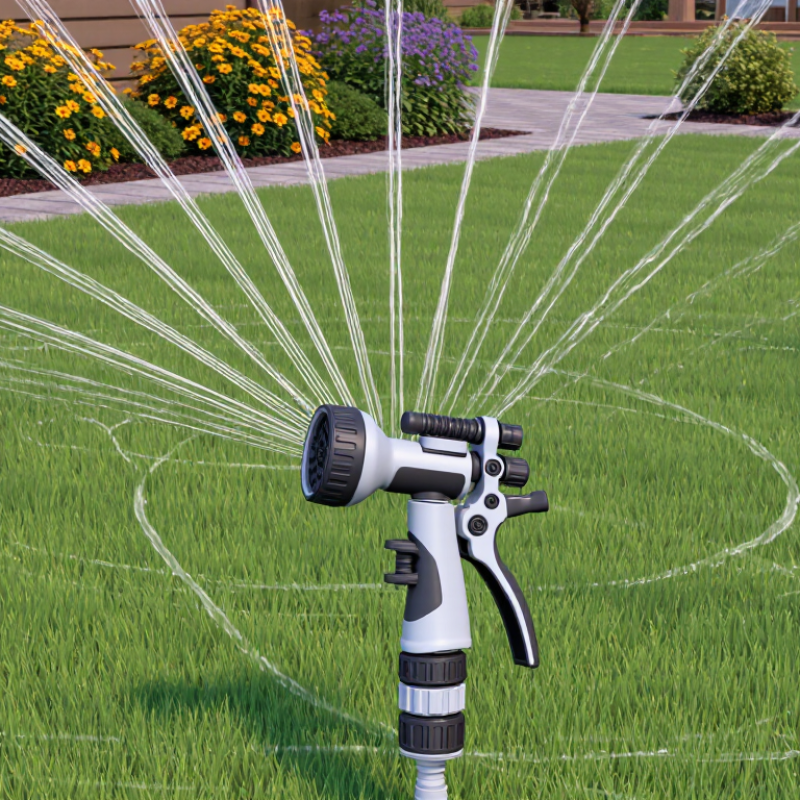
What Is an ABS Garden Sprinkler and How Does It Work?
An ABS garden sprinkler is a watering device made partly or mainly from acrylonitrile butadiene styrene, a tough thermoplastic. Its housing protects internal passages, seals, and moving parts from routine outdoor use. Unlike metal, ABS is lightweight and does not rust. However, sunlight, freezing water, and excessive pressure can still shorten its service life. That detail is easy to miss.
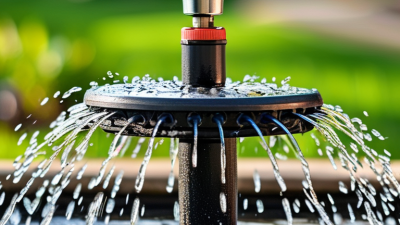
When the irrigation line opens, pressurized water enters through the sprinkler inlet. A small filter or screen may catch grit before water reaches the nozzle. The nozzle converts pressure into a controlled stream, fan, or rotating pattern. In a pop-up model, water pressure lifts the stem from its body. In a fixed model, the head stays above ground and sprays continuously. Rotating designs use gears or a reaction mechanism to distribute water across an arc. Pressure drops when too many heads share one zone. Then coverage becomes uneven.
During garden inspections, I check the spray pattern with the soil still dry. Dry edges often reveal blocked nozzles, poor spacing, or insufficient pressure. ABS itself does not determine performance; nozzle size, filtration, pressure, and layout matter more. A clean inlet and firm threaded connection prevent many small leaks. Do not overtighten plastic fittings. I once blamed a faulty sprinkler when compacted soil had shifted its angle. That mistake reminded me to inspect installation before replacing parts. For dependable operation, compare the required flow rate with the zone’s measured supply.
Which ABS Sprinkler Type Matches Your Garden’s Needs?
Choosing an ABS sprinkler starts with your garden’s shape, soil, and water pressure. ABS is lightweight, impact-resistant, and practical for ordinary outdoor use. However, material alone does not determine performance. Measure the water flow before selecting a sprinkler type.
Fixed spray sprinklers suit small lawns, flower borders, and narrow planting beds. They release water across a steady pattern, so nearby areas receive consistent coverage.
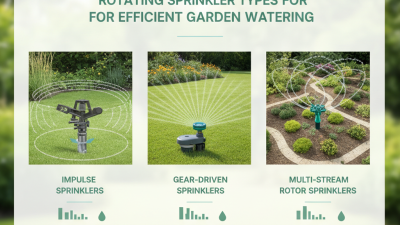
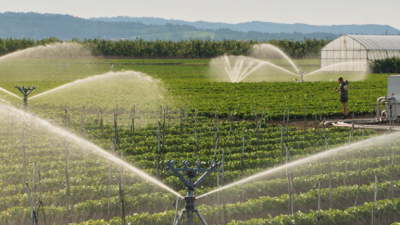
Rotary sprinklers work better for medium or large lawns. Their slower streams reduce misting and can spread water farther in windy conditions.
For rectangular spaces, oscillating sprinklers cover long, even strips. They may waste water near paths if the adjustment is poor.
Your plants also matter. Delicate seedlings need gentle droplets, while established grass can handle stronger rotation. Uneven gardens may need adjustable heads instead of one powerful unit.
Check the inlet size, spray radius, and pressure range carefully. Low pressure can leave dry patches. High pressure may create runoff.
A practical test helps. Place small containers around the garden and run the sprinkler for ten minutes. Compare the water depth in each container. It is not perfect, but it reveals weak coverage quickly.
I once assumed a larger spray pattern would save time. It actually soaked a walkway and missed a shaded corner.
Recheck the layout after installation. Gardens change as plants grow.
How to Choose the Right Sprinkler Size, Range, and Installation Method
2026 How to Choose an ABS Garden Sprinkler?
The right ABS garden sprinkler begins with coverage, not appearance. Measure the planting area before selecting a sprinkler size. Small spray heads suit flower beds, narrow borders, and container zones. Rotating heads usually cover wider lawns with less frequent watering. Match the nozzle flow to your available water pressure. A larger sprinkler is not always better. Excess flow can reduce performance and create dry patches. I have seen this happen in gardens with long pipe runs.
Range should overlap slightly between sprinklers. Aim for head-to-head coverage when possible. Check the stated range under working pressure, not ideal conditions. Wind can reduce reach. Walls and trees can also interrupt the spray. Test one unit with a bucket nearby. Observe the wet pattern for several minutes. It is a simple check.
Installation depends on the ground and maintenance needs. Use a spike-mounted ABS sprinkler for soft soil or seasonal beds. A threaded riser works better for fixed planting areas. For lawns, a buried pop-up body can protect the head from mowing equipment. Keep the sprinkler level with the soil surface. Install a filter when sediment is present. Flush the pipe before attaching the nozzle. Tighten fittings carefully; ABS can crack under excessive force. My early installations were too high, and trimming became awkward. I would also recheck spacing after the first watering cycle. Small adjustments often improve coverage more than buying a larger head.
2026 How to Choose an ABS Garden Sprinkler?
Choose the sprinkler size and installation method according to the required coverage radius. The ranges below represent typical residential irrigation performance under suitable water pressure and are intended for planning purposes.
Practical Selection Guide
- Small beds and narrow lawns: Use a fixed spray sprinkler with a small outlet and short radius.
- Medium-sized areas: Choose a rotary spray sprinkler to reduce misting and improve uniform coverage.
- Large open lawns: Use an impact sprinkler or gear-drive rotor with a larger inlet and longer range.
- Installation method: Install pop-up sprinklers flush with the soil, mount portable sprinklers on stable bases, and use risers only where the spray pattern must clear plants or obstacles.
- Layout rule: Space sprinklers for head-to-head coverage, meaning each sprinkler should reach the neighboring sprinkler, while staying within the available water flow and pressure.
How to Compare Durability, Maintenance, Cost, and Eco-Friendliness
2026 How to Choose an ABS Garden Sprinkler?
Durability should be tested beyond a showroom inspection. Look for UV-stabilized ABS, solid connection threads, and a balanced spray head. Thin plastic may crack after repeated sun exposure or accidental knocks. Check the sprinkler after dry seasons and cold nights. Small stress marks often appear near joints first. Do not ignore them.
Tips: Compare wall thickness, warranty terms, and replacement-part availability. Rotate the connector gently. It should feel firm, not brittle. Record water coverage with a simple rain gauge. This practical test reveals uneven spraying better than appearance alone.
Maintenance affects long-term cost. Choose a design with removable nozzles, because sand and mineral deposits can restrict flow. Rinse the filter regularly and store the sprinkler indoors before freezing weather. A cheaper unit may become expensive after several blocked nozzles. However, the highest price does not guarantee better performance. I have found that simple parts are easier to clean, although this preference may not suit every garden.
Eco-friendliness includes water efficiency and service life. Adjustable spray patterns can reduce runoff across paths and paving. A durable sprinkler also creates less plastic waste when it lasts for years. Check whether worn components can be replaced instead of discarding the whole unit. ABS is lightweight, but its environmental value depends heavily on responsible use, maintenance, and eventual disposal. Some product claims remain vague, so verify technical details before buying.