Top Irrigation Sprinkler Systems for Efficient Farming Solutions?
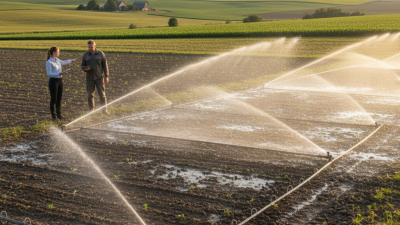
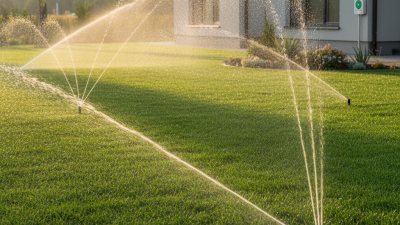
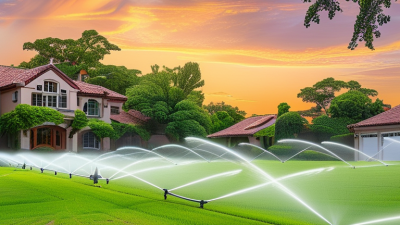
Efficient farming today requires advanced methods to optimize water usage. The role of irrigation systems is crucial for sustainability. Among these, the irrigation sprinkler stands out as a key player in modern agriculture. It ensures uniform water distribution across crops. This minimizes waste and maximizes yield.
The right irrigation sprinkler system can adapt to various terrains. They provide flexibility, allowing farmers to manage water resources effectively. Many farmers face challenges in choosing the best systems. It requires expert knowledge and experience to determine what works best under specific conditions.
Incorporating technology also sheds light on these decisions. Automated systems can save time and resources. However, these solutions are not one-size-fits-all. There may be practicality issues in some landscapes. Farmers should continuously evaluate their systems for improvement. Investing in the right irrigation sprinkler can significantly impact farming efficiency and productivity.
Benefits of Efficient Irrigation Sprinkler Systems in Modern Agriculture
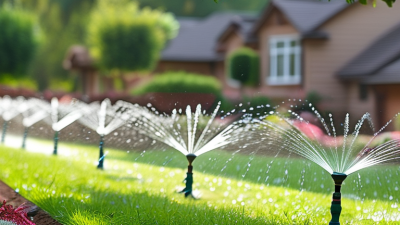
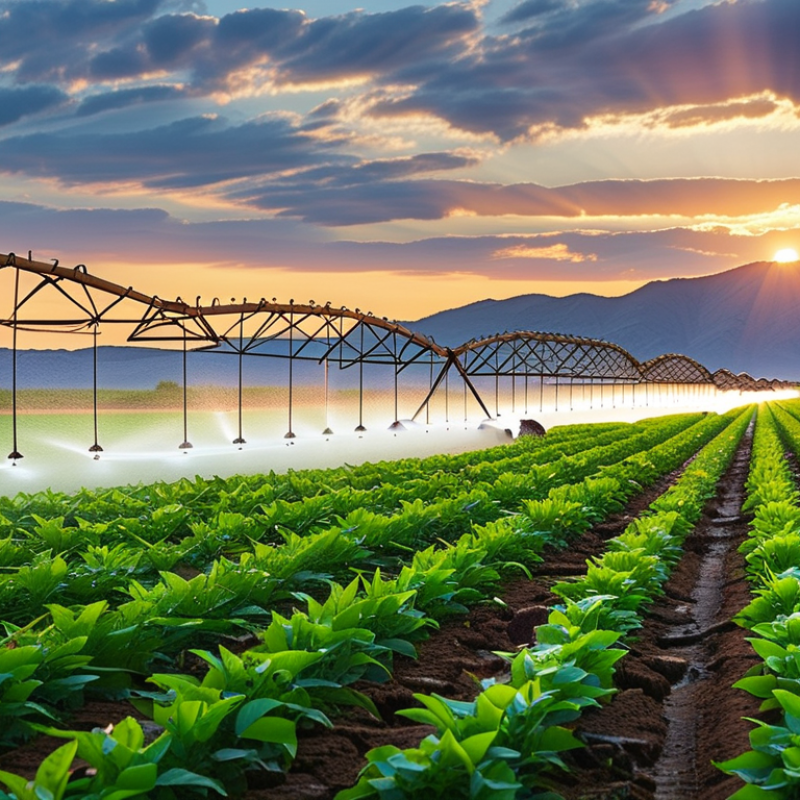
Irrigation sprinkler systems are transforming modern agriculture. They offer numerous benefits that enhance productivity and resource management. Efficient irrigation leads to better crop yields. It ensures that crops receive the right amount of water at the right time. Overwatering and underwatering are major concerns for farmers. Sprinklers help mitigate these issues effectively.
Precision in water delivery can significantly reduce waste. This not only conserves water but also cuts costs. Farmers can monitor soil moisture levels. This informs decisions about when and how much to irrigate. Advanced systems provide real-time data, enhancing decision-making. However, the initial setup cost and maintenance of these systems can be burdensome for small-scale farmers. It requires careful planning and investment.
Sustainability is another major advantage. Efficient systems contribute to healthier soil and ecosystems. They reduce runoff and associated pollutants in nearby water sources. However, some farmers may struggle to adapt to this technology. Training and support are essential for successful implementation. Finding the balance between technology and traditional practices can be challenging. The ultimate goal is to foster environmental health while maintaining profitability.
Types of Sprinkler Systems: Choosing the Right One for Your Farm
When selecting the right irrigation sprinkler system for your farm, understanding the different systems available is crucial. Sprinkler systems can be broadly categorized into conventional, drip, and subsurface systems. Each type has its advantages and disadvantages. Conventional systems are user-friendly and suitable for large areas. Drip systems offer precision and water efficiency. Yet, they may require more upfront investment.
Choosing the ideal system depends on your specific needs. Consider factors like crop type, soil structure, and climate. For example, light soils may benefit from drip systems that deliver water directly to the roots. Heavy soils might retain moisture well with conventional systems. Evaluating your farm’s landscape can illuminate which system suits you best.
Reflect on these tips. Assess your water sources and usage regularly. Keep maintenance in mind; neglected systems may lead to inefficiency. Monitor soil moisture levels frequently. Adjust your system if watering doesn’t match your plants' needs. Irrigation is not a one-size-fits-all solution. A keen approach will enhance water management and promote healthier crops.
Key Features to Look for in an Effective Irrigation Sprinkler System
Selecting the right irrigation sprinkler system is crucial for enhancing agricultural efficiency. Key features play a significant role in achieving optimal outcomes. Water conservation is a primary concern; an effective system can reduce water usage by up to 30%, according to industry studies. Look for systems that integrate advanced technologies like soil moisture sensors. These sensors prevent over-irrigation, ensuring plants receive just the right amount of water.
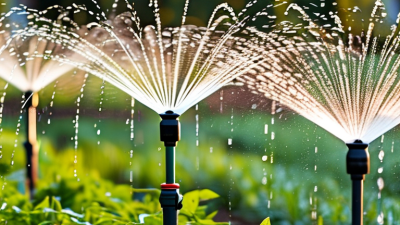
Durability is another essential feature. Sprinkler systems should withstand harsh weather conditions for long-term use. Materials like high-density polyethylene often last longer than others. Regular maintenance is required, but robust systems minimize downtime. Consider systems with adjustable spray patterns. This flexibility allows for customized watering, adapting to different crop types and soil conditions.
Efficiency in operation is vital. Automated systems improve productivity, allowing farmers to focus on other tasks. A good sprinkler system should be easy to program and integrate with other farm management tools. However, farmers often overlook employee training on these systems. Proper training is essential; it can significantly enhance system effectiveness. Balancing technology and simplicity remains a challenge in optimizing irrigation practices. By focusing on these key features, farmers can improve water usage, crop yield, and overall farm sustainability.
Top Irrigation Sprinkler Systems for Efficient Farming Solutions
Installation and Maintenance Tips for Long-lasting Sprinkler Systems
Installing an effective irrigation sprinkler system can dramatically improve crop yields. However, proper installation and maintenance are crucial for maximizing efficiency. Start by selecting the right type of sprinkler for your farm’s specific needs. Ensure that you measure your field accurately. You want consistent coverage across all areas without overspending on water. Sometimes, people overlook minor adjustments, but these can lead to major inefficiencies.
Once installed, regular maintenance is key to a long-lasting system. Inspect your sprinklers routinely for clogs or misalignments. Small issues can grow into big problems if ignored. Adjust your schedule based on weather patterns; overwatering can be as harmful as underwatering. It's essential to keep records of your system's performance. Not all systems will operate perfectly over time, so reflection on any changes is vital.
Remember, even the best systems can have flaws. Regularly analyze water usage and crop health to identify any discrepancies. This proactive approach ensures you're always improving your methods. Engage with local agricultural experts for feedback—they can offer invaluable advice tailored to your region's climate and soil conditions.
Innovative Technology in Irrigation Sprinkler Systems for Better Yield
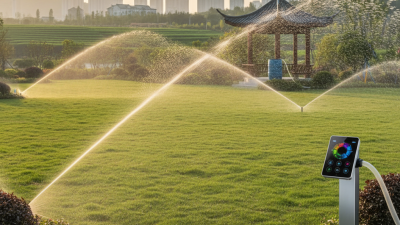
Innovative irrigation sprinkler systems play a critical role in modern farming. They enable efficient water use, which is essential for sustainable agriculture. In recent years, advancements in technology have transformed these systems, increasing crop yield and resource management.
According to the International Irrigation Management Institute, implementing modern irrigation systems can improve water efficiency by up to 50%. This efficiency minimizes water waste and lowers operational costs for farmers. Advanced designs now integrate moisture sensors and smart controllers. These features allow for real-time adjustments, ensuring optimal irrigation schedules. Data from the Food and Agriculture Organization reveals that improved irrigation practices can lead to yield increases of 20-40% for various crops.
While these systems show promise, challenges remain. Farmers often face initial costs that are high. Not every operation can afford the latest technology. Additionally, understanding how to effectively utilize these systems requires training. Mismanagement can lead to underutilization of the benefits these systems offer. Finding the right balance between cost and innovation is essential for farmers looking to enhance efficiency without compromising their budgets.