Essential Tips for Choosing Lawn Irrigation Equipment?
When it comes to maintaining a lush lawn, selecting the right Lawn Irrigation Equipment is crucial. Effective irrigation ensures that your grass remains vibrant and healthy, especially during dry spells. However, the market is flooded with options. Each type of equipment has its unique features, benefits, and drawbacks.
Choosing the right system requires careful consideration of several factors. Understand your lawn's specific needs, such as its size, soil type, and climate. Mistakes often arise from inadequate research or impulsive purchases. Homeowners sometimes overlook the importance of efficiency and water conservation. Investing in quality equipment not only promotes a healthy lawn but also saves you money in the long run.
As you navigate this process, remember that not every product will suit your needs. Consulting with irrigation experts can provide valuable insights. Their experience helps you avoid common pitfalls. Being informed allows you to make confident decisions about your Lawn Irrigation Equipment. This awareness increases the likelihood of a flourishing and sustainable landscape.
Understanding Your Lawn's Watering Needs
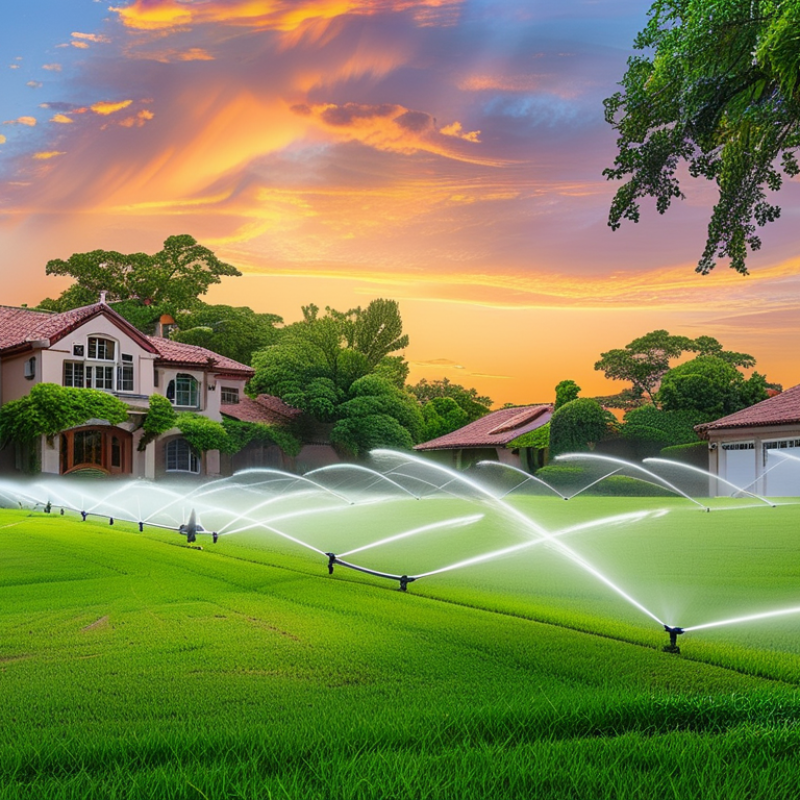
Understanding your lawn's watering needs is crucial for maintaining a healthy yard. Each lawn is unique, requiring different amounts of water based on factors like grass type and climate. Regularly monitor soil moisture to determine when it's time to water. This prevents overwatering and helps in conserving water.
One effective approach is to perform a simple test. Push a screwdriver into the soil. If it goes in easily, your lawn is adequately moist. If it resists, it's time to water. Keep an eye on the color of your grass as well; if it appears dull or starts to brown, it may need hydration. Adjust your irrigation schedule based on seasonal changes as well.
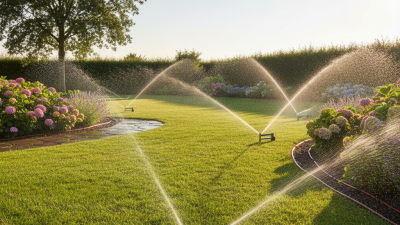
Consider your lawn size and layout when selecting equipment. Drip systems work well for flower beds, while sprinklers suit larger areas. Do not overlook the importance of proper placement. Misplaced equipment can lead to uneven watering, creating patches in your lawn that need extra attention. Always be willing to experiment with settings to find what works best for your landscape.
Essential Tips for Choosing Lawn Irrigation Equipment - Understanding Your Lawn's Watering Needs
| Irrigation Equipment Type |
Suitability |
Watering Coverage Area |
Average Cost ($) |
Maintenance Level |
| Sprinkler System |
Best for large lawns |
up to 5,000 sq ft |
150 - 600 |
Moderate |
| Drip Irrigation |
Ideal for gardens/flowers |
Variable |
50 - 300 |
Low |
| Soaker Hoses |
Best for vegetable gardens |
up to 1,000 sq ft |
20 - 100 |
Low |
| Automatic Timers |
Enhances all systems |
N/A |
25 - 150 |
Low |
| Rain Barrels |
Sustainable option |
N/A |
50 - 250 |
Low |
Types of Lawn Irrigation Systems Available
When selecting a lawn irrigation system, understanding the types available is crucial. The two most common systems are sprinkler systems and drip irrigation. According to the Irrigation Association, over 50% of homeowners prefer sprinkler systems for their versatility. They can cover large areas and are effective in various climates. Sprinklers are suitable for both lawns and gardens.
Drip irrigation is becoming increasingly popular. It delivers water directly to plant roots, promoting efficiency. Data from the EPA shows that drip systems can reduce water usage by up to 30%. This makes them an excellent choice for water-conscious gardeners. Each system has its pros and cons, so consider your specific needs before deciding.
Selecting the right equipment involves more than just system type. Assess your water pressure and availability. Ensure you have access to a sufficient water supply. Always factor in the landscape and plant types. Climate conditions also play a significant role in the effectiveness of your chosen system. Proper installation and maintenance are essential for achieving optimal results. Investing time in understanding these elements can lead to a thriving lawn.
Key Features to Look for in Irrigation Equipment
When selecting lawn irrigation equipment, understanding key features is crucial. One significant aspect is the efficiency of water usage. According to the United States Environmental Protection Agency (EPA), approximately 50% of water used for outdoor irrigation is wasted due to inefficient systems. Look for devices that offer smart irrigation technology, which adjusts watering schedules based on weather conditions. These systems not only conserve water but can also reduce your water bill by up to 30%.
Another important feature is the system’s ease of use and installation. Many homeowners prefer user-friendly interfaces that allow for simple programming. Reports indicate that a well-designed irrigation controller can save you significant time and effort. Additionally, consider the adaptability of the equipment to different terrains. Inadequate coverage can lead to uneven growth and patches in your lawn. Opt for adjustable sprinkler heads and drip irrigation that cater to varying plant needs.
Finally, durability and maintenance should not be overlooked. The irrigation equipment must withstand different weather conditions. Research indicates that systems with high-quality materials tend to last longer, reducing the need for frequent replacements. Be cautious of overly complex systems that may require specialized knowledge for repairs. Simplifying maintenance tasks can significantly enhance your irrigation experience and ensure a lush, healthy lawn.
Essential Tips for Choosing Lawn Irrigation Equipment
Cost Considerations for Lawn Irrigation Solutions
When selecting lawn irrigation equipment, cost is a key factor. According to a report by the Irrigation Association, homeowners should budget between $1,500 to $3,500 for a complete irrigation system. This price can vary based on lawn size, system type, and installation fees. A well-planned system can save water and reduce utility bills significantly. Over time, efficient irrigation can lead to cost savings of up to 30% in water usage.
Consider the long-term expenses associated with maintenance and repairs. Irrigation systems can require regular upkeep to ensure efficiency. If neglected, they can lead to increased water bills that offset initial investments. Data shows that improper maintenance can increase water waste by 20% or more. It's critical to weigh these costs against the potential benefits.
Investing in smart irrigation technology can also be beneficial. While the upfront cost may be higher, some studies indicate that these systems can reduce water use by up to 50%. The decision-making process can be overwhelming. It’s essential to evaluate both immediate expenses and long-term savings to find the best solution for your lawn. A proactive approach is necessary to avoid costly mistakes.
Maintenance Tips for Longevity of Irrigation Equipment
Proper maintenance of lawn irrigation equipment is crucial for ensuring long-lasting performance. Regularly check for leaks or clogs, as these can significantly affect water flow. A small drip can turn into a larger problem, wasting water and money. Cleaning filters at least once a season helps prevent blockages and keeps the system running smooth. Inspect hoses and pipes for wear. Small cracks may require immediate attention to avoid bigger issues later.
Winterizing your irrigation system is just as important. Before the cold sets in, drain the system completely. Any leftover water can freeze, leading to cracks in valves and pipes. Insulating exposed parts will also protect them from harsh weather. Instead of postponing maintenance, make it a routine. This can include seasonal checks and immediate repairs when problems arise. A meticulous approach saves you time and money down the line. Consistency in care creates reliability in your irrigation system.