Why Choose the Right Hose Connector for Your Needs?
Choosing the right Hose Connector is a small decision with a surprisingly large effect on system performance. A connector links hoses, valves, pumps, filters, and outlets. Its design influences flow, pressure stability, leakage risk, and maintenance time. A poor match may look acceptable during installation. Problems often appear later, under heat, vibration, or repeated movement.
Consider the hose material, inner diameter, working pressure, temperature range, and connection method. A garden hose may need a simple threaded fitting. A chemical transfer line may require a connector made from a carefully selected, resistant material. Food-processing equipment may demand hygienic surfaces and easy cleaning. These details matter. They are not optional.
Hands-on inspection can reveal issues that product descriptions miss. Check whether threads engage smoothly. Look for sharp edges, damaged seals, or excessive movement after tightening. Follow the manufacturer’s specifications, and confirm compatibility before purchase. Standards and certifications can support confidence, but they do not replace application-specific judgment. No connector is perfect. Even a high-quality model can fail when installed carelessly or exposed beyond its rated limits.
A reliable choice balances safety, durability, cost, and convenience. Stainless steel may offer excellent strength, while reinforced plastics can reduce weight and corrosion concerns. Quick-connect models save time, but their locking mechanisms need regular inspection. It is tempting to choose the cheapest option. That decision may become expensive after one leak, shutdown, or replacement. Selecting the right Hose Connector requires patience, practical testing, and honest attention to possible weaknesses.
Classify Connector Designs: Barbed, Threaded, Camlock, and Quick-Connect
Choosing a hose connector starts with the fluid, pressure, temperature, and maintenance routine. Grand View Research estimated the global industrial hose market at about USD 13 billion in 2022, showing how widely these small components support modern operations. Yet connector selection is often treated as an afterthought.
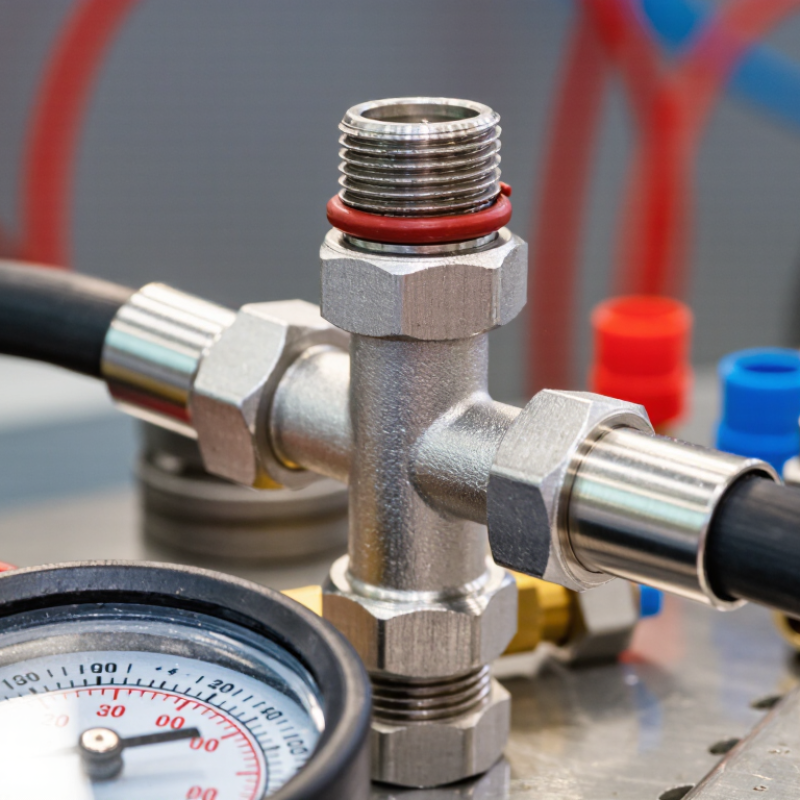
Barbed connectors suit flexible tubing and low-to-moderate pressure lines. Their ridges grip the inner wall, but clamps remain essential. Threaded connectors provide a firm, compact joint for fixed equipment. They need compatible thread types and careful tightening; excessive force can damage the seal. Camlock connectors support frequent hose changes. Their levers allow fast coupling without tools, although dirt around the arms can prevent full engagement. Quick-connect fittings reduce downtime in pneumatic and fluid systems. However, their internal valves may restrict flow more than expected.
Field checks should follow ISO 4414 principles for pneumatic safety and documented pressure limits. The U.S. Department of Energy notes that compressed-air leaks can waste 20–30% of compressor output, so a poor connector can become an expensive leak source. In practice, inspect the seal, clamp, thread, and coupling face before every critical connection. A connector that feels “tight enough” may not be secure enough. This is where experience matters. I have seen clean-looking fittings fail because the hose had hardened near the clamp. Select by operating conditions, not appearance, and record the connector type during maintenance.
Match Pressure Ratings: Verify the Common 4:1 Burst-to-Working Ratio
Choosing a hose connector starts with pressure, not appearance. A connector may fit perfectly yet fail under a sudden surge. The common 4:1 burst-to-working ratio means the tested burst pressure is four times the recommended working pressure. It is a useful screening point, not permission to operate near the burst limit. Check the connector, hose, seals, and assembly as one pressure system. The weakest part controls safety.
Read the pressure rating under actual conditions. Temperature can reduce material strength, especially near hot equipment or direct sunlight. Pulsating pumps, water hammer, and compressed air create short pressure spikes that gauges may miss. Match thread type and size carefully. A small mismatch can damage sealing surfaces and cause leakage. I have found that hand-tight connections often feel secure, then loosen after repeated cycling. Torque guidance matters.
Choose a working pressure comfortably below the verified limit, and confirm whether the rating covers the fluid being used. Oils, cleaning chemicals, and abrasive mixtures may affect seals differently. Ask for test data or a clear specification sheet when the ratio is unclear. Inspect for cracked threads, flattened seals, rust, and hose movement before service. Do not reuse damaged parts. My own checks are not perfect; recording pressure, temperature, and inspection dates helps expose mistakes before they become failures.
Select Materials by Fluid and Temperature Using ISO 4413 Guidance
Choosing the right hose connector starts with the fluid, not the thread size. ISO 4413 guidance emphasizes material compatibility, operating pressure, temperature, cleanliness, and safe connection design. A connector used with mineral oil may perform poorly with water-glycol fluid. Heat can also harden seals, weaken polymers, and increase leakage risks.
The U.S. Department of Energy reports that compressed air systems may consume about 10% of industrial electricity. Its sourcebook also notes that leaks can waste 20–30% of compressor output. A small connector leak can therefore become an expensive energy problem. In hydraulic service, fluid temperature, pressure pulses, and installation movement deserve equal attention. A fitting that feels tight is not automatically suitable. Maintenance experience shows that rushed material selection often creates failures weeks later.
Tips: Record the fluid name, concentration, normal temperature, peak temperature, and working pressure. Check connector and seal compatibility against the manufacturer’s technical data. Inspect threads, crimp areas, and sealing faces before installation. Keep connectors clean during assembly. ISO 4413 also supports controlling contamination and preventing unexpected hose movement. Do not select only by nominal diameter. I have seen that shortcut fail. Sometimes the overlooked detail is a hot cleaning cycle, not the process itself. Recheck the decision when the fluid changes. Databases and standards help, but field conditions still require careful judgment.
Why Choose the Right Hose Connector?
Typical continuous temperature limits for common connector materials in selected fluid services. Use ISO 4413 principles to verify fluid compatibility, temperature, pressure, sealing materials, and safe installation with the component manufacturer.
The values are representative engineering limits for typical connector-and-seal assemblies, not universal ratings. Water service is commonly limited by corrosion resistance and elastomer compatibility, hydraulic oil by seal and polymer resistance, and compressed air by the connector body and sealing system. Always select the lowest-rated component in the assembly and confirm the supplier’s pressure-temperature curve before use.
Size for Flow: Check Hose ID and Manufacturer Pressure-Loss Data
Why Choose the Right Hose Connector for Your Needs?
A connector can look correct and still restrict flow. The hose’s inside diameter, or ID, is the practical starting point. Measure the opening, not the outside wall. A few millimeters can change velocity, noise, and pressure loss. I have seen a narrow connector make a strong pump perform like a weak one.
Check the manufacturer’s pressure-loss data for the exact connector size and flow rate. Do not rely only on the thread size. A connector with a large thread may have a small internal passage. Compare the data with your system’s expected flow, pressure, temperature, and hose length. Pressure loss usually increases sharply as flow rises. Small errors become expensive.
Keep the path smooth.
During installation, avoid sharp bends near the connector. Support the hose so its weight does not pull on the joint. I once focused on fitting compatibility and overlooked a partially collapsed hose. The connector was not the only problem. That mistake changed how I inspect assemblies. If data is missing, treat the selection as uncertain rather than guessing. Measure actual flow when possible, then compare the reading with the published pressure-loss curve. A small test can reveal problems that a visual check misses.