How to Choose the Right Garden Hose Valve in 2026?
Choosing the right Garden Hose Valve in 2026 is not simply about matching thread sizes. A dependable valve controls water smoothly, prevents unnecessary leaks, and survives repeated outdoor use. The best choice depends on your hose diameter, water pressure, climate, and daily watering habits. A small balcony garden needs different equipment from a large vegetable bed.
During practical hose inspections, weak points often appear around the handle, washer, and connector. A metal valve may feel stronger, while a reinforced polymer model can resist corrosion and remain easier to operate. Look for clear pressure ratings, solid seals, and fittings that connect without force. If the valve sits outdoors through winter, freeze protection matters. Even a high-quality product can fail when trapped water expands inside it.
No checklist is perfect. Garden layouts change, and product claims are not always equally detailed. That is why this guide compares construction, flow control, compatibility, maintenance, and long-term value. It also considers uncomfortable details, such as stiff controls, awkward installation, and seals that need replacement sooner than expected. A trusted Garden Hose Valve should work quietly beside the garden, not demand constant attention. Before buying, measure the existing connection and inspect the spigot carefully. One overlooked thread can waste time. With evidence-based selection and realistic expectations, homeowners can choose a valve that delivers reliable performance throughout the 2026 gardening season.
What a Garden Hose Valve Is and How It Controls Water Flow
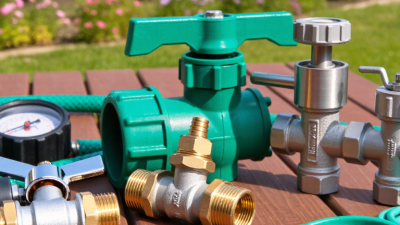
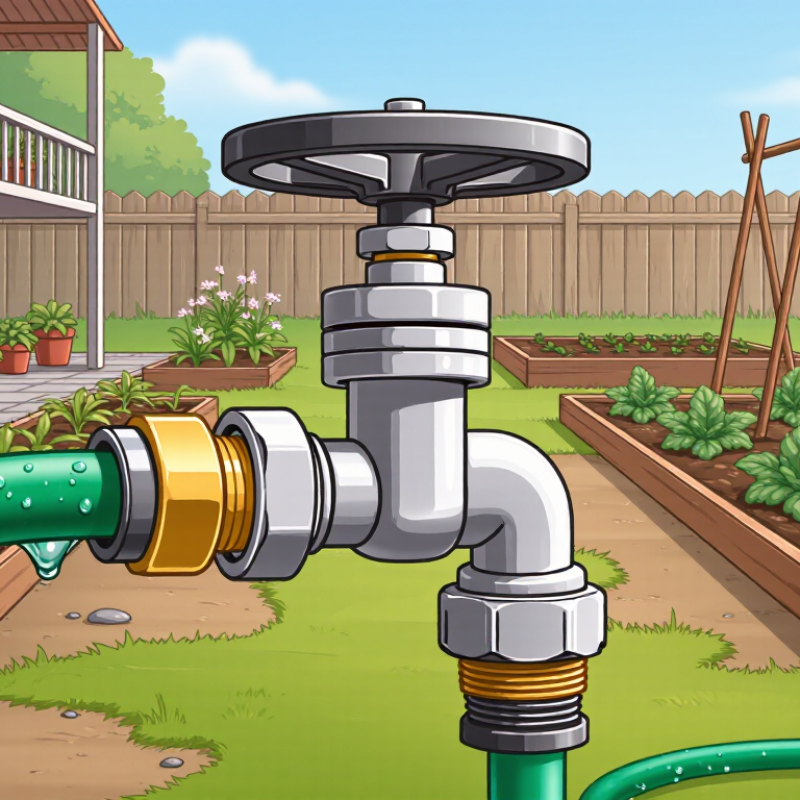
A garden hose valve is a fitting that starts, stops, or adjusts water flow. It usually sits between the outdoor tap and the hose. Inside, a handle moves a ball, gate, or washer. That movement changes the opening through which water travels. A fully open valve delivers stronger flow. A partly closed valve reduces the stream and can make watering gentler. Simple, but important.
When choosing a valve in 2026, check the hose diameter, tap thread, and working pressure. A mismatch may cause leaks or restrict water unnecessarily. For quick control, a quarter-turn ball valve is practical. It opens or closes with a short handle movement. A multi-turn valve allows finer adjustment for seedlings, containers, and delicate soil. Metal valves often tolerate frequent use, while reinforced polymer models can be lighter and easier to handle.
I once focused too much on appearance and overlooked the washer inside. That small mistake caused a slow drip near the patio. Inspect the sealing washer before installation, then wrap compatible threaded joints carefully. Do not overtighten them. It can damage the connection. Open the valve gradually and watch the joint for thirty seconds. If water pulses, the supply pressure or connector may need attention. A valve should feel firm, not stiff. Some choices still involve compromise: maximum flow, fine control, weight, and price rarely align perfectly.
Key Valve Types and Their Best Garden Applications
How to Choose the Right Garden Hose Valve in 2026?
The right valve depends on water control, pressure, and garden location. A ball valve opens quickly with a quarter-turn handle. It suits hose ends, raised beds, and outdoor washing areas. Its tight seal helps prevent small leaks between watering sessions. A gate valve works better on main lines that stay open longer. However, it is slower and less convenient for frequent adjustments. I once used one beside a vegetable bed. It became awkward when muddy hands needed quick control.
For precise watering, choose a valve with a flow-control feature. This helps protect delicate seedlings from strong water pressure. A pressure-regulating valve is useful for drip irrigation and narrow tubing. It reduces uneven watering across long garden rows. Anti-siphon or vacuum-breaker valves add protection where backflow could contaminate the water supply. Local plumbing requirements may vary, so check official guidance before installation. A valve may look durable, yet weak threads can cause trouble. Material, seal quality, and fitting compatibility deserve careful inspection.
Tips: Match the valve size to your hose and connector. Test the connection before burying any tubing. Turn the handle slowly during the first use. Watch for drips after several minutes. Plastic valves are light and affordable, but they can crack under overtightening. Metal valves often feel stronger, though corrosion remains possible. There is no perfect choice. Recheck your setup after one watering cycle.
How to Choose the Right Garden Hose Valve in 2026?
Key valve types and their best garden applications
The chart uses a practical suitability score from 0 to 5, based on each valve’s core function, control capability, and typical garden use. Ball and straight shut-off valves are strong choices for basic flow control, Y-splitters are best for running two hoses, anti-siphon valves improve backflow protection, pressure regulators suit delicate irrigation, and timer valves are designed for scheduled watering.
How to Match Valve Materials, Sizes, and Connection Standards
A reliable garden hose valve starts with the water source, not its appearance. Check the pipe material, pressure, exposure, and intended use before choosing a valve. Brass handles outdoor pressure well and tolerates frequent operation. Stainless steel resists corrosion in damp or coastal gardens. PVC is lightweight and economical, but sunlight and impact can shorten its service life. Avoid mixing metals casually, because moisture may accelerate galvanic corrosion. A small insulating connector can reduce this risk.
Match the valve size to the pipe’s nominal size. A larger valve does not automatically improve watering performance. Flow also depends on pressure, hose length, and internal restrictions. Measure the existing connection carefully, including its outside diameter and thread pattern. Garden hose threads differ from pipe threads. NPT and BSP threads may look similar, yet they are not interchangeable. Check the local connection standard before ordering. A mismatched thread can leak even with heavy tape.
Connection direction matters too. Use male or female ends that match the adjoining parts. Compression fittings suit some rigid pipes, while quick-connect fittings help with removable hoses. Select seals rated for outdoor temperature and continuous water contact. Test the valve slowly after installation. Watch the joint for several minutes. One overlooked detail is drainage; trapped water can freeze and split the valve. My practical preference is simple: prioritize compatibility over appearance, even when the cheaper option seems convincing.
Which Features Improve Durability, Safety, and Ease of Use
A garden hose valve should survive wet soil, sun, pressure changes, and frequent handling. In my experience, a solid brass or stainless-steel body lasts longer than thin, lightweight metal. Look for a smooth, corrosion-resistant finish and strong threaded connections. A valve that feels loose in the package may become worse after one season.
Durability is only part of the decision. Choose a pressure rating that exceeds your outdoor water supply. A quarter-turn handle usually opens quickly and reduces dripping from half-closed positions. The handle should remain easy to grip with wet hands or gardening gloves. For children, pets, and busy walkways, a locking handle or recessed control can reduce accidental opening. If the valve connects to drinking-water equipment, select materials specifically approved for that use. Ordinary garden fittings are not automatically suitable.
Safety also depends on water direction. An anti-siphon or backflow-control design can help prevent dirty hose water from moving toward the household supply. Check local plumbing requirements before installation. I have found that a small drain feature is valuable before freezing weather, although I sometimes forget to use it. That mistake can split even a strong valve. Match the inlet and outlet sizes carefully, and inspect the washer every few months. A few minutes of maintenance often matter more than an impressive product description.
How to Compare Installation Needs, Maintenance, and Overall Value
How to Choose the Right Garden Hose Valve in 2026?
When comparing garden hose valves, start with installation needs rather than appearance. Check the pipe size, thread type, water pressure, and available working space. A valve that fits a narrow outdoor wall may not suit a buried irrigation line. Measure twice. You may need an adjustable wrench, thread seal tape, and a replacement washer. For cold climates, choose a design that drains easily or supports proper winter shutoff. Local plumbing requirements may also affect backflow protection.
Maintenance separates a convenient valve from a frustrating one.
Inspect the connection after installation, then check for drips when the handle is closed. A small leak can waste water and stain masonry over time. Washers and O-rings usually wear before the metal body does. Replace them when the handle feels loose or water escapes around the stem. Avoid forcing a stiff handle. That mistake can damage the seal. I have found that quick fixes sometimes hide a larger corrosion problem.
Overall value includes purchase price, installation effort, repair access, and expected service life.
A cheaper valve may become expensive if it restricts flow or needs frequent replacement. A premium-looking model is not automatically better. Compare solid construction, smooth operation, spare-part availability, and freeze resistance. Consider how often you use the hose. Daily watering justifies stronger components, while occasional use may not. Keep it practical.