Leave Your Message

10 Tips to Choose the Best Garden Watering Tools?

Choosing Garden Watering Tools is not simply a matter of buying the strongest hose or the cheapest sprinkler. It is a water-management decision made beside real soil, changing weather, and different plant needs. The U.S. Environmental Protection Agency reports that outdoor water use represents about 30% of household water consumption in the United States. In dry regions, the share can exceed 60%. That makes small equipment choices surprisingly important.

The EPA’s WaterSense program also indicates that labeled irrigation controllers can help an average household save nearly 8,800 gallons of water annually. These figures do not mean every garden needs smart technology. A balcony planter may need a narrow-spout can, while a vegetable bed may benefit from drip lines, pressure regulation, and a timer. The right tool must match root depth, soil texture, garden size, and local rainfall. Not appearance.

Professional irrigation guidance commonly stresses uniform application and reduced runoff. In practice, a badly adjusted spray head can leave one corner muddy while nearby plants remain dry. A gardener may also overestimate efficiency because a hose feels convenient in the hand. This is where experience matters: observe wetting patterns, check the soil several centimeters below the surface, and measure actual flow when possible.

This guide presents ten practical tips for evaluating Garden Watering Tools. It considers durability, water control, maintenance, ergonomics, and compatibility with modern irrigation systems. No tool is perfect. Even a well-designed system needs seasonal adjustment, and that is an easy detail to overlook. Reliable choices come from evidence, careful observation, and honest reflection after each watering cycle.
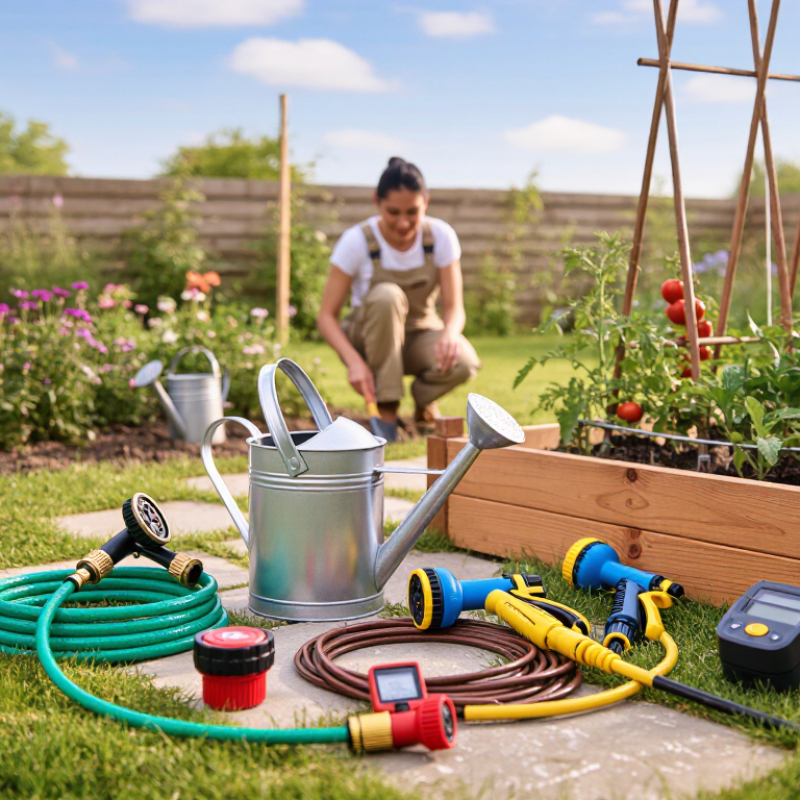
10 Tips to Choose the Best Garden Watering Tools?

Assess Your Garden’s Size, Layout, and Watering Needs

Choosing the best garden watering tools starts with measuring your garden, not buying equipment. Record its length, width, and water source. Divide the space into practical zones. A small balcony may need a narrow-spout can, while a large lawn may require a hose and adjustable sprinkler. Count containers, raised beds, trees, and hidden corners. Note slopes too. Water moves downhill quickly and may leave upper soil dry.

Walk through the garden with a tape measure. Mark paths, fences, gates, and fragile plants. These details determine hose length and tool movement. Test your water pressure at the outdoor tap. Weak pressure may suit drip lines better than sprinklers. For dense beds, choose gentle, targeted watering that reaches the roots. For open lawns, wider coverage can save time. A flow-control handle helps prevent puddles near compacted soil. Small details matter.

Your plants also define the tool. Seedlings need soft, controlled water, while established shrubs tolerate deeper soaking. Sandy soil drains quickly, but clay soil may need slower application. Water early when possible, and check moisture several centimeters below the surface. A simple moisture meter can help, although it is not always perfectly accurate. I once chose a sprinkler by coverage alone and ignored its uneven spray. That mistake left dry patches beside flooded soil. Test every tool for ten minutes before relying on it. Check runoff, missed areas, and awkward handling. Then adjust the layout or your expectations.
Compare Watering Tools by Plant Type and Soil Conditions

Choose watering tools by the plant’s roots, not by appearance. EPA WaterSense reports that outdoor use can exceed 30% of household water consumption. It also estimates that landscape irrigation may lose up to 50% through evaporation and runoff. These figures vary by climate, but they show why tool selection matters.

Use a narrow-spout can for seedlings and delicate herbs. Choose a gentle wand for flowers and shallow-rooted vegetables. Drip lines suit tomatoes, shrubs, and raised beds with steady moisture needs. Use a soaker hose around trees, but check its coverage first. A hose with adjustable flow helps match water pressure to fragile stems. Add a moisture meter for containers, though meters can misread dry, rocky soil. For sandy soil, water slowly and more often because it drains quickly. For clay soil, choose low-flow tools and pause between applications. USDA NRCS soil guidance describes loam as a balanced texture, yet even loam can become compacted. Watch the soil, not the schedule. Touch it.

Water deeply around established plants, keeping leaves dry when possible. Early morning usually reduces evaporation. The U.S. Geological Survey’s irrigation data shows agriculture remains a major freshwater user, so small household choices still deserve attention. I sometimes water too long when the surface looks dry. That mistake is common. Recheck after ten minutes, adjust the nozzle, and keep notes after rain.

Check Durability, Materials, and Ease of Maintenance

The best garden watering tools should withstand daily use, changing weather, and occasional careless storage. Check the handle for a firm grip, smooth edges, and secure joints. A tool that feels solid should not feel unnecessarily heavy. Metal components usually resist cracking, while quality plastic can remain light and practical. However, thin plastic may become brittle after long exposure to sunlight. Material labels help, but they cannot replace a careful inspection.

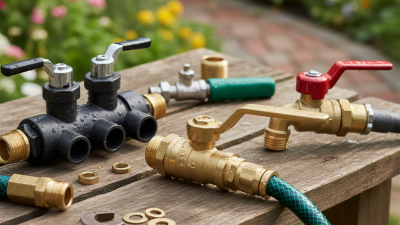
Look closely at the nozzle, hose connection, and trigger mechanism. These parts receive constant pressure and often fail first. Choose fittings that close tightly without forcing them. A flexible hose should bend without flattening near the connection. Small drainage holes can prevent stagnant water, mineral buildup, and unpleasant smells. After each use, rinse away soil and let the tool dry before storing it in a shaded place. This takes little time. It prevents many problems.

Ease of maintenance matters more than attractive appearance. Select detachable nozzles when possible, because blocked openings are easier to clean. A soft brush can remove grit without damaging delicate parts. I once bought a lightweight sprayer that worked well for one season, but its trigger became stiff after storage. I had ignored the narrow internal passage. That mistake changed how I compare designs. Now I test moving parts, inspect seals, and ask whether replacement washers are available. No material is perfect, so durability depends on both construction and care.

10 Tips to Choose the Best Garden Watering Tools? – Check Durability, Materials, and Ease of Maintenance

No. Selection Tip Recommended Material or Feature What to Check Maintenance Requirement Best Use
1 Match the tool to the watering area A watering can for containers; a hose or drip line for larger beds. Confirm that the tool can reach the farthest plant without excessive stretching or bending. Rinse after use and store away from direct sunlight when possible. Small pots, raised beds, borders, or extensive planting areas.
2 Choose a UV-resistant hose Reinforced rubber or UV-stabilized PVC with a braided or mesh layer. Look for flexible construction, kink resistance, secure end fittings, and a stated working-pressure rating. Drain before storage, avoid sharp edges, and check regularly for cracks or leaks. General garden watering and connection to spray nozzles.
3 Prefer corrosion-resistant connectors Brass, stainless steel, or reinforced engineering plastic fittings. Check thread compatibility, gasket quality, and whether the joint seals without excessive force. Remove dirt from threads and replace flattened or cracked washers. Hose-to-tap, hose-to-hose, and hose-to-tool connections.
4 Select an adjustable spray nozzle Metal body or impact-resistant plastic with a rubberized grip. Test whether the spray changes smoothly from a gentle mist to a stronger jet without sticking. Flush the nozzle to remove grit and do not leave it pressurized after use. Seedlings, containers, beds, and light cleaning tasks.
5 Use a fine-rose watering can for seedlings Galvanized steel or thick UV-resistant plastic with a removable rose. Check handle balance, comfortable grip size, stable base, and a rose that can be removed for cleaning. Empty after use and clear blocked holes with clean water rather than sharp objects. Indoor plants, seedlings, containers, and delicate flowers.
6 Consider a drip irrigation system UV-resistant polyethylene tubing with pressure-compensating emitters where terrain varies. Check emitter flow rate, filter compatibility, tubing flexibility, and connector fit. Clean or replace filters and flush the lines periodically to limit sediment blockage. Vegetable beds, hedges, containers, and water-efficient irrigation.
7 Choose a durable sprinkler head Brass or stainless-steel impact parts, or strong UV-resistant plastic for lighter use. Verify spray radius, coverage pattern, operating pressure, and adjustment range. Clean the inlet screen and remove mineral deposits from spray openings. Lawns and large, evenly planted areas.
8 Check ergonomic design Soft-grip handles, balanced weight, and an easy-to-operate shut-off trigger. Hold the tool filled or connected and confirm that controls are reachable with one hand. Keep grips clean and replace tools with damaged triggers or sharp edges. Frequent watering and users who want to reduce hand fatigue.
9 Look for replaceable parts Standard washers, filters, nozzles, O-rings, and connectors that can be replaced separately. Check whether spare parts are commonly available and easy to install without special tools. Inspect seals and fittings at the beginning and end of the watering season. Long-term ownership and lower replacement waste.
10 Plan for proper storage Hose reels, wall hooks, drainage openings, and rust-resistant storage hardware. Ensure the storage location is dry, shaded, ventilated, and large enough to prevent tight bends. Drain, coil loosely, and protect plastic parts from prolonged UV exposure and freezing temperatures. All watering tools, especially seasonal equipment.

Practical comparison: Durable materials help resist wear and corrosion, while removable parts, accessible filters, and proper storage generally make watering tools easier to maintain.

Evaluate Water Efficiency, Reach, and Adjustable Features

10 Tips to Choose the Best Garden Watering Tools?

Evaluate Water Efficiency, Reach, and Adjustable Features

Choosing a garden watering tool starts with the plants, not the handle. In my garden, leafy vegetables needed gentle coverage, while young trees required deeper watering. A narrow bed also demanded better reach than an open lawn. I once bought a long wand that felt useful in the store but became tiring after ten minutes. That mistake changed my selection process. Measure your planting areas, then consider the water source, hose length, and available pressure.

Water efficiency depends on control. Look for a tool with an easy shutoff and several spray patterns. A soft shower can protect seedlings from damaged stems and exposed roots. A stronger stream may suit compacted soil, but it can create runoff quickly. Watch the soil while watering. If water pools on the surface, reduce the flow or pause briefly. Early morning watering usually loses less moisture to evaporation. However, local weather and soil type still matter.

Reach and adjustment should work together. An extended handle can water hanging baskets without bending, yet excessive length reduces control. Adjustable nozzles help you change from a narrow stream to a wider spray. Test the trigger with one hand if possible. Small adjustments matter. I still find some settings awkward after repeated use, especially with wet gloves. That is worth noticing before purchase. A comfortable tool encourages slower, more accurate watering, which often saves more water than a high-flow setting.

10 Tips to Choose the Best Garden Watering Tools

Compare common watering-tool types by water efficiency, practical reach, and adjustability. Scores are normalized from typical residential specifications: soil-delivery efficiency, working distance, and available spray or flow-control options.

How to read the chart: Higher water-efficiency scores indicate less water lost to evaporation or runoff. Reach scores reflect typical coverage distance, while adjustability scores reflect control over spray pattern and flow.

Choose Tools That Match Your Budget and Storage Space

Choosing garden watering tools should begin with your budget and storage space, not a glossy feature list. In a small shed, a compact hose, adjustable nozzle, and lightweight watering can may be more useful than a large reel. Measure your shelf before buying. I have learned that “space-saving” can mean awkward handles or poor balance. Test the grip if possible, and leave room for winter storage.

Tip 1: Set a realistic limit. Reserve part of your budget for washers, connectors, and replacement seals. These small parts prevent leaks, but they are easy to forget. A cheaper tool can work well when its fittings are standard and easy to replace.

Tip 2: Match water delivery to your garden. Seedlings need a gentle spray, while containers may need a narrow stream. A multi-pattern nozzle can reduce clutter, though extra settings may become confusing. Choose only the patterns you will actually use. For balconies, a small watering can is safer than dragging a wet hose across a doorway.

Tip 3: Consider maintenance before purchase. Drain hoses after use, coil them loosely, and store metal parts away from constant moisture. This adds minutes to each session. Still, neglected tools fail sooner. I sometimes overbuy accessories, thinking they will save time; usually, they occupy valuable space. A simple setup that fits your shelf and routine is often more reliable.